
 Dermatology
Eczema


We’re all exposed to different skin conditions that cause unpleasant symptoms and impact daily life, they can also reduce the quality of life, such as eczema.
What is eczema
It’s a name for a group of conditions of dermatitis that lead to different symptoms, the most significant of them are rash and pruritis. Eczema is widespread, could be mild or severe, and affects any age, yet it occurs more during the twenties or in the ages older than 50.
Causes of eczema
There isn’t a specific reason for eczema, yet there are several factors that trigger it, such as:
- Hyperactivity of the immune system: Such as atopic dermatitis. The immune system reacts with specific triggers or allergens in the surrounding environment, which triggers the immune system and starts its defense status. In this case, the immune system creates inflammation in response to these triggers, and that causes the symptoms of eczema.
- Genetic factors: Family history of eczema increases the risk of having it in the offspring.
- Surrounding environment: There are numerous irritants in the environment that irritate the skin, like air pollution, smoking, some odors, some cosmetics, some chemicals like detergents, some fabrics like wool, dust mites, etc.
- Psychological factors: Such as stress, anxiety, and depression.
Symptoms of eczema
The symptoms differ between people, and they could appear on any part of the body. They include:
- Dry, inflamed, and sensitive skin.
- Itchyness and rash.
- Scaly and rough skin.
- Skin swelling in some areas.
- Thick skin in some places.
- Papules and vesicles in severe cases.
- In chronic cases, the skin becomes wrinkled and cracked.
- Pain in some cases.
Types of eczema
Atopic dermatitis
- The most common type and it occurs as a result of an irritated immune system, and it mostly occurs in people with a family history of it.
- The most significant symptom is irritating itchiness, which causes dry and red skin.
- It usually appears in hands, arms, feet, legs, and eyelids.
- It’s frequent in infants, children, and young adults.
- In chronic cases, it could lead to infections.
Contact dermatitis
- It occurs when the skin touches specific substances in the surrounding environment, which leads to dermatitis. It’s divided into:
- Allergic contact dermatitis: The body is allergic to a specific substance, such as jewelry metals, some cosmetics, and some fragrances.
- Irritant contact dermatitis: The most common. The skin here is inflamed because it’s irritated as a result of a specific substance, such as soaps and detergents.
Dyshidrotic eczema or hand eczema
- It doesn’t occur due to excessive sweating, regardless of the name, and it’s a very common condition.
- It causes small blisters on the hands, feet, and the edges of the fingers.
- The cause of it is unknown, and it affects women more than men. It also occurs more frequently in people with a family history of contact dermatitis.
Neurodermatitis
- It affects about 12% of the population, and women more than men.
- It’s thought that it occurs due to psychological factors like anxiety, stress, and emotional trauma.
- It causes intense itching, which might lead to scaly and cracked skin, open sores, and infections.
Nummular eczema
- It causes circular, scattered, and itchy patches, which, in most cases, are dry and sensitive.
- It usually appears in the trunk, arms, and legs.
- It mostly happens due to dry skin.
- More common in middle-aged men.
Seborrheic dermatitis
- It occurs in about 11% of the population and is more common in men than women.
- It usually impacts areas rich in sebaceous glands and causes itchy and red patches with greasy flakes.
- It usually appears in the eyebrows, nose, beard, forehead, and behind the ears.
Stasis dermatitis
It occurs when the circulation is weak in the lower legs and ankles and appears as scaly and itchy plaques, and their color differs according to the skin color.
Diagnosis of eczema
- Physical exam.
- Allergy test.
- Blood tests to check if there is a condition that’s causing the eczema.
- Biopsy in some cases.
Treatment of eczema
- It differs according to the case and its severity. However, in most cases, the treatment includes skin moisturizers, topical steroids, and antihistamines.
- Some severe cases might require specific oral medications.


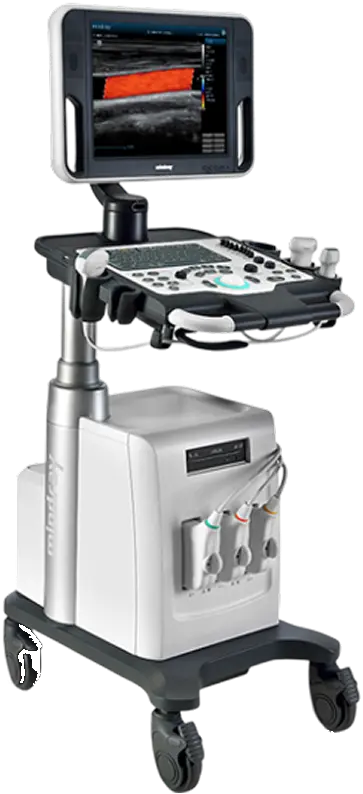
DC-30
Diagnostic Ultrasound system
 Syria _ Damascus _ Al-Rawda


Frequently asked questions about Eczema
What is the topic of Eczema?
Eczema : We're all exposed to different skin conditions that cause unpleasant symptoms and impact daily life in Syria on Doctors.sy.
What medical category is Eczema in?
Eczema is categorized under Dermatology on Doctors.sy in Syria.
Where can I find specialists related to Eczema?
To find doctors and facilities specializing in Dermatology in Syria, see suggested providers on this article page or Click here
What is the scientific name related to Eczema?
Scientific name related to this article: Atopic Deramtitis.
Does Eczema include medical references?
Yes, Eczema includes 3 medical reference(s) in the references section below the article on Doctors.sy.
What is What is eczema?
It’s a name for a group of conditions of dermatitis that lead to different symptoms, the most significant of them are rash and pruritis. Eczema is widespread, could be mild or severe, and affects any age, yet it occurs more during the twenties or in the ages older than 50.
What is Causes of eczema?
There isn’t a specific reason for eczema, yet there are several factors that trigger it, such as:
What is Symptoms of eczema?
The symptoms differ between people, and they could appear on any part of the body. They include:


DC-30
Diagnostic Ultrasound system
Syria _ Damascus _ Al-Rawda