
 Pediatric dentistryOtorhinolaryngologyPediatric surgeryPediatric surgeryPediatricsOtolaryngology

Procedure preparations
- Cleft lip and cleft palate occur when the baby is still a fetus in the uterus, and this condition causes a cleft in the upper lip of the baby in addition to a cleft in the roof of the mouth. There isn’t a specific reason for this condition, but it’s thought that it occurs due to genetic factors or environmental factors during pregnancy. This condition affects the baby’s ability to speak, eat, breathe, and hear.
- The cleft lip surgery is done under general anesthesia, and the surgeon makes incisions in both sides of the lip and then stitches them together to close the cleft lip. The procedure takes about two hours, and the baby can be returned home on the same day.
- The cleft palate surgery is done under general anesthesia, and the surgeon repairs the affected layers, then stitches the sides together to close the cleft palate. The procedure takes about 2-3 hours, and the baby needs to stay in the hospital for two or more days, depending on the case.
Procedure preparations
- The doctor examines the health of the baby in general.
- The doctor might request to stop giving the baby some medications, if any, before the procedure.
- You can’t breastfeed your baby for four hours before the procedure.
- You can’t give your baby formula or any other milk for at least six hours before the surgery.
- You can’t give your baby water or any other liquid for three hours before the surgery.
- You can’t give your baby any solid food for 8-12 hours before the surgery.
Procedure complications
- Anesthesia complications.
- Bleeding.
- Infections.
- Damage in the deeper structure, such as the nerves, blood vessels, muscles, and auditory canal, and this damage might be temporary or permanent.
- Poor wound healing.
- Asymmetry.
- Breathing problems.
- Irregular healing of the scars, like thickness or overgrowth.
Procedure instructions
- The baby’s hands are cuffed to not touch the wound, and the parents are given specific instructions to take care of the wound.
- Swelling and bruising for a period of time are normal, especially in cleft palate surgery, and this is normal.
- The doctor might prescribe painkillers and antibiotics for the baby when needed.
- The baby can have milk or clear liquids shortly after the procedure, and if there’s any problem, IV fluids are used for a period of time.
- The parents are given specific instructions to take care of their baby, and liquids are given with a cup only, especially after cleft palate surgery. Also, the food must be soft or mashed for a specific period of time.
- Full recovery might take about four weeks, and usually, a cleft palate takes more time than a cleft lip to heal.


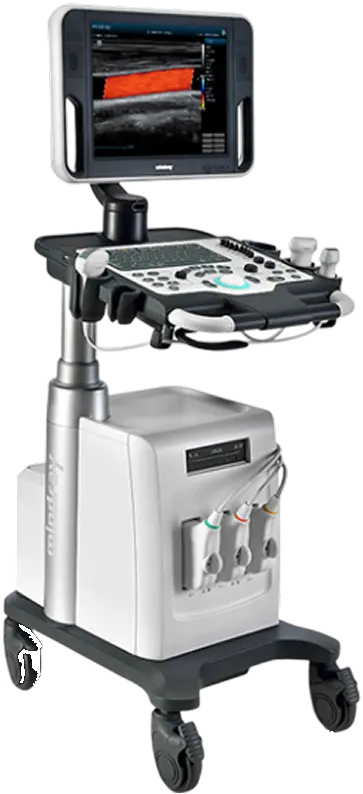
DC-30
Diagnostic Ultrasound system
 Syria _ Damascus _ Al-Rawda
Frequently asked questions about Cleft Lip And Cleft Palate Surgery
What is Cleft Lip And Cleft Palate Surgery?
Cleft Lip And Cleft Palate Surgery in Syria: " Cleft lip and cleft palate occur when the baby is still a fetus in the uterus, and this condition causes a cleft in the upper lip of the baby in addition to a cleft in the roof of the mouth. There isn’t a specific reason for this condition, but it’s thought that it occurs due to genetic factors or environmental factors during pregnancy. This condition affects the baby’s ability to speak, eat, breathe, and hear....
How do I prepare for Cleft Lip And Cleft Palate Surgery?
" The doctor examines the health of the baby in general. The doctor might request to stop giving the baby some medications, if any, before the procedure. You can’t breastfeed your baby for four hours before the procedure. You can’t give your baby formula or any other milk for at least six hours before the surgery. You can’t give your baby water or any other liquid for three hours before the surgery. You can’t give...
What are the aftercare instructions for Cleft Lip And Cleft Palate Surgery?
" The baby’s hands are cuffed to not touch the wound, and the parents are given specific instructions to take care of the wound. Swelling and bruising for a period of time are normal, especially in cleft palate surgery, and this is normal. The doctor might prescribe painkillers and antibiotics for the baby when needed. The baby can have milk or clear liquids shortly after the procedure, and if there’s any problem,...
Which specialty is Cleft Lip And Cleft Palate Surgery related to?
Cleft Lip And Cleft Palate Surgery is related to: Pediatric dentistry, Otorhinolaryngology, Pediatric surgery and Pediatric surgery.
Where can I get Cleft Lip And Cleft Palate Surgery in Syria?
You can get Cleft Lip And Cleft Palate Surgery at clinics and hospitals in Syria. To find specialists in Pediatric dentistry, see suggested doctors on this page or Click here
What are the possible complications of Cleft Lip And Cleft Palate Surgery?
" Anesthesia complications. Bleeding. Infections. Damage in the deeper structure, such as the nerves, blood vessels, muscles, and auditory canal, and this damage might be temporary or permanent. Poor wound healing. Asymmetry. Breathing problems. Irregular healing of the scars, like thickness or overgrowth. "
DC-30
Diagnostic Ultrasound system
Syria _ Damascus _ Al-Rawda