logoDoctors
  • Home
  • Advanced Search
  • Blogs
  • News
  • Pharmaceutical Library
  • About Us
  • Contact Us
  • Join Us
Terms of Use & PaymentPatient Privacy PolicyDoctors Privacy Policy
Login
  1. Home
  2. Blogs
  3. Platelet-Rich Plasma (PRP) Injections
procedure
Procedural dermatology

Platelet-Rich Plasma (PRP) Injections

150
2025-12-03
150
0

Procedure preparations

  • The blood is composed of plasma that contains blood cells and platelets, and plasma injections contain plasma and platelets after separating them from the other cells.
  • The studies showed that plasma injections are useful in several conditions, such as lateral epicondylitis (tennis elbow), knee osteoarthritis (they also help repairing the cartilage), pulled muscles, joint sprains, ligament tears, wounds, hair loss, and face lift (reducing the wrinkles, reducing the acne scars, improving the skin, and rejuvenating the face).
  • During a PRP procedure, the doctor takes the patient’s blood and puts it in a special device to separate the plasma and platelets, then they reinject them in the requested area.
  • Usually, the procedure takes 1-2 hours, and the patient returns home on the same day.

Procedure preparations

  • The doctor examines the patient’s health in general.
  • For a person to be eligible for plasma injection, they shouldn’t have AIDS or HIV, hepatitis C, a blood cancer, skin cancer, or a cardiovascular disease that requires takin bloodthinners.

Procedure complications

  • Plasma injections are generally safe because they’re taken from the person themselves, yet some complications might rarely occur, like infections and bleeding.
  • Some side effects after knee plasma injections could occur, like swelling.
  • Some side effects after plasma injections for hair loss could occur, such as pain, itchiness, swelling, and temporary discoloration.
  • Some side effects after facial plasma injections could occur, such as pain, itchiness, swelling, bruising, tingling, a temporary change in the skin tone, and, rarely, nodules in the injection site.

Procedure instructions

  • You can return to your normal activity immediately, but you must avoid the following: using steroidal and nonsteroidal anti-inflammatories for about a month after the injections, smoking, sun exposure, strenuous physical activity, and lifting heavy things for a period of time as the doctor recommends.
  • After a knee injection, the patient must rest for a few days, then start doing some mild activities as the doctor recommends.
  • After facial and hair injections, you mustn’t wash the face or put any product on it or on the hair for a period of time, as the doctor recommends.
  • You can use an ice bag to reduce the swelling, and the doctor prescribes painkillers when needed.
  • You must contact your doctor immediately if any weird problem or symptom emerges.
  • The results might appear within a month, but full recovery might take 12-18 months, depending on the case.
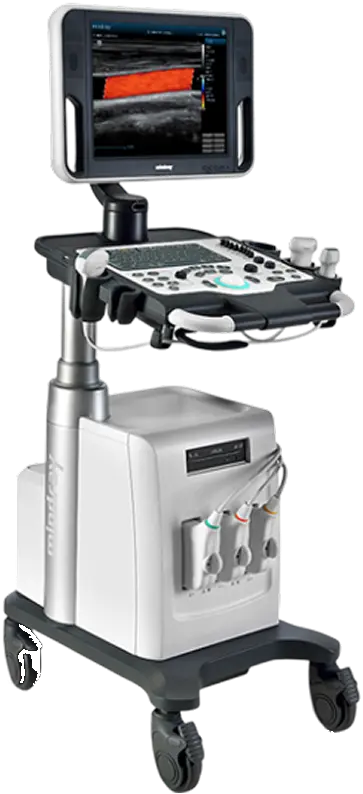
DataMedmindray

DC-30

Diagnostic Ultrasound system

Capable / Versatile / Slim

Diagnostic Ultrasound system
Syria _ Damascus _ Al-Rawda
Get a price quote

Frequently asked questions about Platelet-Rich Plasma (PRP) Injections

What is Platelet-Rich Plasma (PRP) Injections?

Platelet-Rich Plasma (PRP) Injections in Syria: " The blood is composed of plasma that contains blood cells and platelets, and plasma injections contain plasma and platelets after separating them from the other cells. The studies showed that plasma injections are useful in several conditions, such as lateral epicondylitis (tennis elbow), knee osteoarthritis (they also help repairing the cartilage), pulled muscles, joint sprains, ligament tears, wounds, hair loss...

How do I prepare for Platelet-Rich Plasma (PRP) Injections?

" The doctor examines the patient’s health in general. For a person to be eligible for plasma injection, they shouldn’t have AIDS or HIV, hepatitis C, a blood cancer, skin cancer, or a cardiovascular disease that requires takin bloodthinners. "

What are the aftercare instructions for Platelet-Rich Plasma (PRP) Injections?

" You can return to your normal activity immediately, but you must avoid the following: using steroidal and nonsteroidal anti-inflammatories for about a month after the injections, smoking, sun exposure, strenuous physical activity, and lifting heavy things for a period of time as the doctor recommends. After a knee injection, the patient must rest for a few days, then start doing some mild activities as the doctor...

Which specialty is Platelet-Rich Plasma (PRP) Injections related to?

Platelet-Rich Plasma (PRP) Injections is related to: Procedural dermatology.

Where can I get Platelet-Rich Plasma (PRP) Injections in Syria?

You can get Platelet-Rich Plasma (PRP) Injections at clinics and hospitals in Syria. To find specialists in Procedural dermatology, see suggested doctors on this page or Click here

What are the possible complications of Platelet-Rich Plasma (PRP) Injections?

" Plasma injections are generally safe because they’re taken from the person themselves, yet some complications might rarely occur, like infections and bleeding. Some side effects after knee plasma injections could occur, like swelling. Some side effects after plasma injections for hair loss could occur, such as pain, itchiness, swelling, and temporary discoloration. Some side effects after facial plasma injections...

Blogs and procedures in the same category:
Mole Removal
The mole removal procedure aims to remove the mole that’s suspected to be cancerous or removing it for cosmetic reasons. Mole removal can be done in several ways: Surgical mole excision: it’s one of the most common techniques to remove moles. A local anesthetic is applied to the place of the mole, and then the doctor uses a scalpel to remove the mole surgically. After that, a sample from the mole is taken to test to determine whether it’s benign or malignant. Shave mole excision: it’s a common method as well for mole removing, yet it’s not useful to look for deep cancers. Mole removal with laser, cautery, or cryotherapy: these methods aren’t very recommended because they don’t provide a sample to test it. Also, the possibility of mole recurring here is bigger. The procedure doesn’t take much time, and the patient can return home immediately after finishing it.

132
Dermatology
2024-09-24
Dermabrasion
In dermabrasion, the outer layer of the skin is removed in order to resurface the skin, and dermabrasion is used in several conditions, such as scars that’re resulted of a surgery or an injury, acne scars, tattoo removal , removing fine wrinkles, especially around the mouth, sun damaged skin, age spots, melasma , stretching marks, swollen skin on the nose, and precancerous skin patches. Dermabrasion is done under local anesthesia, then a dermabrasion tool is used, which consists of an abrasive wheel or a brush that moves rapidly to remove the outer layer of the skin. Dermabrasion procedure might take a few minutes or more than an hour, depending on the treated skin area, and the patient can return home on the same day.

140
Dermatology
2024-10-13
Laser Hair Removal
Laser hair removal is one of the most widespread cosmetic procedures, and it’s a very effective procedure, yet it’s critical to keep in mind that it doesn’t remove the hair permanently, rather, it reduces and delays its growth for long periods. Laser beams work with a technique called selective photothermolysis, whereas the released heat from the beams destroys the cells that contain large amounts of pigmentation in the hair, and that’s why dark hair absorbs the heat more than light hair. After that, this heat transfers through the hair to the hair follicles and destroys them in order to prevent the hair from regrowing. Moreover, hair follicles must be in the growth stage, which means that they’re ready to start growing the hair in order to benefit from the laser, but the growth differs between the follicles, and that’s why we need several laser sessions, usually 6-8 sessions depending on the person, with a time interval of 6-8 weeks between each session. Since laser beams rely on high heat, the laser device is associated with a cooling device to reduce heat and pain as much as possible. The duration of a laser session differs according to the size of the area, and it could range from a few minutes to an hour sometimes.

148
Dermatology
2024-09-24
Tattoo Removal
A tattoo is injecting permanent ink and pigment inside the skin, and since the particles of this ink are very big for the immune system, it can’t get rid of the tattoo, and that’s why it’s permanent. Tattoo removal has several methods: Laser tattoo removal, which is the most common method, but it doesn’t remove the tattoo completely. The laser breaks down the particles of the ink into smaller ones, and that makes it easier for the immune system to recognize and get rid of them. Laser tattoo removal requires several sessions (1-12) depending on the size and color of the tattoo. Dermabrasion, which is a surgical procedure in which the outer layers of the skin that contain the tattoo’s ink are removed. This procedure causes an open wound that takes time to heal, and it’s done under local or general anesthesia. Chemical peels, in which chemical substances are used to remove the outer layers of the skin that contain the tattoo’s ink. Usually, this procedure doesn’t require anesthesia. Surgical excision, in which the skin that contains the tattoo is totally removed, then the incision is stitched. This procedure only works for small tattoos, and it’s done under local or general anesthesia. Tattoo removal creams, and they aren’t as successful as the other methods. They work on breaking down the particles of the ink into smaller ones to make it easier for the immune system to recognize and get rid of them. It requires several months to show the results. The time of a tattoo removal differs depending on the method. It takes a few minutes in laser tattoo removal, while surgical methods might take a few hours. The patient can return home on the same day.

107
Procedural dermatology
2024-09-24
DataMedmindray

DC-30

Diagnostic Ultrasound system

Capable / Versatile / Slim

Diagnostic Ultrasound system
Syria _ Damascus _ Al-Rawda
Get a price quote
Doctors logo
Doctors
We connect patients with specialists to make healthcare accessible. Our team of medical and tech experts is here to support your health journey

Technical Support
Call support
info@doctors.sy
Syria, Damascus

Web
Home
Advanced Search
Blogs
About us

Our ApplecationConnect to top medical services in Syria. Our app helps you book appointments, access health info, and find nearby hospitals and pharmacies
Direct DownloadGET IT ONGoogle Play

Terms of Use & PaymentPatient Privacy PolicyDoctors Privacy Policy
© 2026 Doctors.sy All rights reserved.