
 RheumatologyOrthopedic Surgery
Knee Joint Replacement


Procedure preparations
- In knee replacement surgery, the knee joint is replaced partially or completely, depending on the case. The knee joint might be damaged due to many conditions; the most important of them is arthritis, and that leads to several problems in the joint, such as swelling, stiffness, limited and difficult knee movement, and extreme pain.
- In knee arthroplasty surgery, the patient is under general anesthesia, and then the joint is replaced with a prosthetic one (that’s made of metal and plastic). This prosthetic joint is similar to the shape, size, and function of the natural joint.
- Knee joint replacement surgery takes one or two hours, and the patient can return home on the same day in most of the cases, but in some cases, they must start at the hospital for the next day.
Procedure preparations
- Examining the patient’s health in general.
- The patient must stop taking blood thinners (anticoagulant medications), ibuprofen, and any other medications that the surgeon mentions two weeks before the procedure.
- The patient mustn’t have anything for 12 hours before the procedure.
Procedure complications
- Infections.
- Blood clots.
- Problems in the blood vessels and nerves.
- Scar tissue inside the knee.
- Limited movement.
- Problems in the prosthetic joint, like loosening or wearing off quickly.
Procedure instructions
- You can return to your normal daily routine six weeks after the procedure.
- You must stick to the medications prescribed by the doctor and the instructions they give you about home knee exercising.
- Immediately contact your surgeon when any sudden, odd problem or symptoms emerge.
- You mustn’t do strenuous physical activity or heavy lifting for at least three months.
- The prosthetic joint could last for 15-20 years.
- Full recovery might take a year.


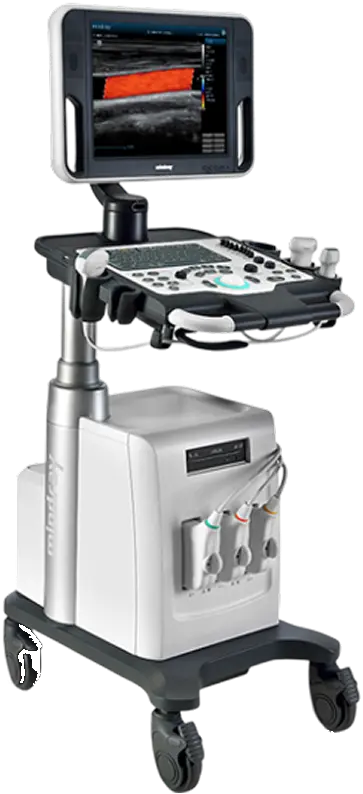
DC-30
Diagnostic Ultrasound system
 Syria _ Damascus _ Al-Rawda
Frequently asked questions about Knee Joint Replacement
What is Knee Joint Replacement?
Knee Joint Replacement in Syria: " In knee replacement surgery, the knee joint is replaced partially or completely, depending on the case. The knee joint might be damaged due to many conditions; the most important of them is arthritis , and that leads to several problems in the joint, such as swelling, stiffness, limited and difficult knee movement, and extreme pain. In knee arthroplasty surgery, the patient is under general anesthesia, and then...
How do I prepare for Knee Joint Replacement?
" Examining the patient’s health in general. The patient must stop taking blood thinners (anticoagulant medications), ibuprofen, and any other medications that the surgeon mentions two weeks before the procedure. The patient mustn’t have anything for 12 hours before the procedure. "
What are the aftercare instructions for Knee Joint Replacement?
" You can return to your normal daily routine six weeks after the procedure. You must stick to the medications prescribed by the doctor and the instructions they give you about home knee exercising. Immediately contact your surgeon when any sudden, odd problem or symptoms emerge. You mustn’t do strenuous physical activity or heavy lifting for at least three months. The prosthetic joint could last for 15-20 years....
Which specialty is Knee Joint Replacement related to?
Knee Joint Replacement is related to: Rheumatology and Orthopedic Surgery.
Where can I get Knee Joint Replacement in Syria?
You can get Knee Joint Replacement at clinics and hospitals in Syria. To find specialists in Rheumatology, see suggested doctors on this page or Click here
What are the possible complications of Knee Joint Replacement?
" Infections. Blood clots. Problems in the blood vessels and nerves. Scar tissue inside the knee. Limited movement. Problems in the prosthetic joint, like loosening or wearing off quickly. "
DC-30
Diagnostic Ultrasound system
Syria _ Damascus _ Al-Rawda