
 Otorhinolaryngology
Sinus Surgery


Procedure preparations
- In sinus surgery, some sinus conditions that weren’t responsive to medications are treated, such as chronic sinusitis, polyps (noncancerous growths) removal, and other conditions.
- Sinus surgery can be done using several methods, such as functional endoscopic sinus surgery, which is the most common. In this surgery, the drainage passages between the nose and sinuses are widened by removing a part of the bone, infected tissue, or polyps, if any, which makes the mucus trapped up in the sinuses, and that causes many problems. Sinus surgery is also done by using a balloon to widen the sinuses or by making an incision inside the mouth to reach the sinuses and remove the damaged tissue or bone.
- Sinus surgery might take one or two hours, and it’s done under general or local anesthesia, depending on the case. The patient can also return home on the same day.
Procedure preparations
- Examining the patient’s health in general.
- The patient must stop smoking before the procedure.
- The patient must stop taking blood thinners (anticoagulant medications), ibuprofen, and any other medications that the surgeon mentions two weeks before the procedure.
- The patient mustn’t have anything for 8-12 hours before the procedure.
Procedure complications
- Heavy bleeding.
- Some patients might feel that they can’t take a complete breath.
- Cerebral spinal fluid (CSF) leakage.
- Face numbness.
- Tearing.
- Vision problems.
Procedure instructions
- The patient might feel some pain and like the nose is clogged for about a week, and this is normal.
- Avoid any pressure on the nose and face.
- Avoid blowing the nose.
- You can return to your normal daily routine a week after the surgery.
- Avoid strenuous physical activities and heavy lifting for at least 10 days after the surgery.
- You must keep your head up, especially while sleeping.
- Minimize sun exposure.
- Have more vegetables and fruit to avoid constipation.
- You must stick to the medications prescribed by the doctor and the regular visits.
- Immediately contact your doctor when any sudden, odd problem or symptoms emerge.
- Full recovery might take a few months.


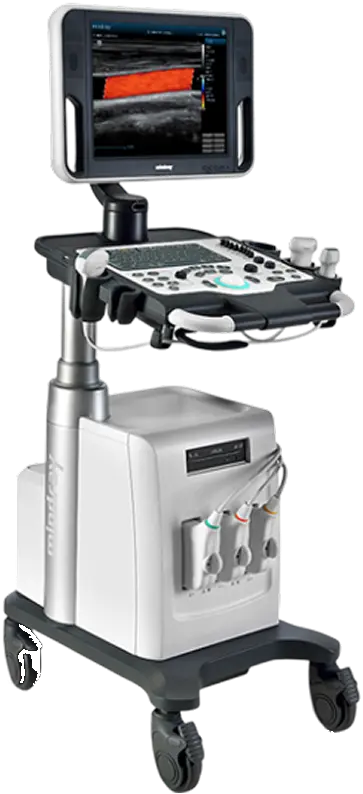
DC-30
Diagnostic Ultrasound system
 Syria _ Damascus _ Al-Rawda
Frequently asked questions about Sinus Surgery
What is Sinus Surgery?
Sinus Surgery in Syria: " In sinus surgery, some sinus conditions that weren’t responsive to medications are treated, such as chronic sinusitis , polyps (noncancerous growths) removal, and other conditions. Sinus surgery can be done using several methods, such as functional endoscopic sinus surgery, which is the most common. In this surgery, the drainage passages between the nose and sinuses are widened by removing a part of the bone,...
How do I prepare for Sinus Surgery?
" Examining the patient’s health in general. The patient must stop smoking before the procedure. The patient must stop taking blood thinners (anticoagulant medications), ibuprofen, and any other medications that the surgeon mentions two weeks before the procedure. The patient mustn’t have anything for 8-12 hours before the procedure. "
What are the aftercare instructions for Sinus Surgery?
" The patient might feel some pain and like the nose is clogged for about a week, and this is normal. Avoid any pressure on the nose and face. Avoid blowing the nose. You can return to your normal daily routine a week after the surgery. Avoid strenuous physical activities and heavy lifting for at least 10 days after the surgery. You must keep your head up, especially while sleeping. Minimize sun exposure. Have more...
Which specialty is Sinus Surgery related to?
Sinus Surgery is related to: Otorhinolaryngology.
Where can I get Sinus Surgery in Syria?
You can get Sinus Surgery at clinics and hospitals in Syria. To find specialists in Otorhinolaryngology, see suggested doctors on this page or Click here
What are the possible complications of Sinus Surgery?
" Heavy bleeding. Some patients might feel that they can’t take a complete breath. Cerebral spinal fluid (CSF) leakage. Face numbness. Tearing. Vision problems. "


DC-30
Diagnostic Ultrasound system
Syria _ Damascus _ Al-Rawda