
 General

Procedure preparations
- A vascular access procedure is performed to insert a catheter (a flexible sterile plastic tube) inside a blood vessel for different reasons. A simple IV line is used for a short period of time, while a longer-term IV line requires more secure vascular access. The catheter can be kept temporarily, like for days, or longer, like for weeks or even years.
- A vascular access procedure is performed in the following conditions: IV antibiotic treatment, certain medications, chemotherapy, hemodialysis, long-term intravenous feeding, recurrent drawing of blood samples, blood transfusions, and for patients who struggle with receiving or maintaining a simple functional IV line.
- During a vascular access procedure, the doctor inserts the catheter under the skin into a large vein, either in the neck, arm, or leg. Thereafter, the side of the catheter is placed inside a large central vein that drains close to the heart.
Procedure preparations
- Examining the patient’s health in general.
- You must tell the doctor about any medications or herbs you take.
- You mustn’t eat or drink anything before the procedure, as the doctor recommends.
Procedure complications
- Skin infections where the catheter was inserted.
- Bloodstream infection.
- A large amount of air in the catheter can lead to an emergency, including chest pain or shortness of breath, and sometimes it can lead to pneumothorax.
- The catheter may be obstructed by clotted blood or a fibrin sheath.
- The vein where the catheter is inserted may become closed off, which causes swelling in the area.
- Irregular heartbeat in rare cases.
Procedure instructions
- Certain side effects can occur, such as damage in the vein, bleeding, or bruising, and this is normal.
- You must keep the vascular access area clean, and don’t touch it before washing your hands.
- Avoid heavy lifting and tight clothes.
- Don’t apply any pressure on the area of the vascular access.
- Don’t sleep on the side of the vascular access.


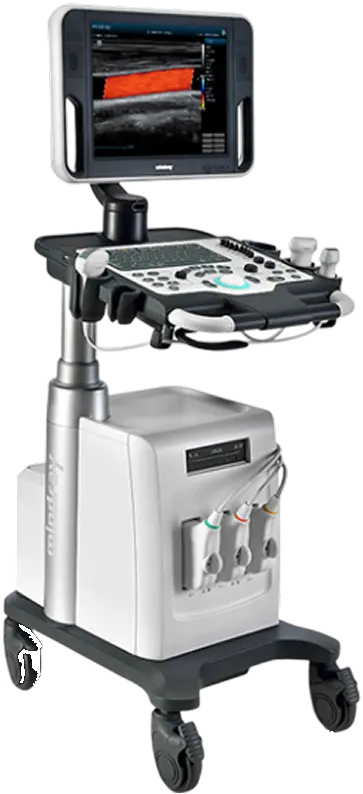
DC-30
Diagnostic Ultrasound system
 Syria _ Damascus _ Al-Rawda
Frequently asked questions about Vascular Access
What is Vascular Access?
Vascular Access in Syria: " A vascular access procedure is performed to insert a catheter (a flexible sterile plastic tube) inside a blood vessel for different reasons. A simple IV line is used for a short period of time, while a longer-term IV line requires more secure vascular access. The catheter can be kept temporarily, like for days, or longer, like for weeks or even years. A vascular access procedure is performed in the following...
How do I prepare for Vascular Access?
" Examining the patient’s health in general. You must tell the doctor about any medications or herbs you take. You mustn’t eat or drink anything before the procedure, as the doctor recommends. "
What are the aftercare instructions for Vascular Access?
" Certain side effects can occur, such as damage in the vein, bleeding, or bruising , and this is normal. You must keep the vascular access area clean, and don’t touch it before washing your hands. Avoid heavy lifting and tight clothes. Don’t apply any pressure on the area of the vascular access. Don’t sleep on the side of the vascular access. "
Which specialty is Vascular Access related to?
Vascular Access is related to: General.
Where can I get Vascular Access in Syria?
You can get Vascular Access at clinics and hospitals in Syria. To find specialists in General, see suggested doctors on this page or Click here
What are the possible complications of Vascular Access?
" Skin infections where the catheter was inserted. Bloodstream infection. A large amount of air in the catheter can lead to an emergency, including chest pain or shortness of breath, and sometimes it can lead to pneumothorax . The catheter may be obstructed by clotted blood or a fibrin sheath. The vein where the catheter is inserted may become closed off, which causes swelling in the area. Irregular heartbeat in...
DC-30
Diagnostic Ultrasound system
Syria _ Damascus _ Al-Rawda