
 General Surgery
Appendectomy


Procedure preparations
- The appendix is a finger-sized pouch that’s extended from the end of the colon on the lower right side of the abdomen.
- In the case of appendicitis, there’s a high probability that it may burst and cause dangerous complications, like the spread of the inflammation to the abdomen cavity, leading to peritonitis, and it might transfer to the blood, causing sepsis, which is a life-threatening condition. That’s why appendicitis is considered an emergency that requires appendectomy.
- In some cases, like mild appendicitis or people who aren’t eligible for surgery, the appendix might not be removed. However, the possibility of the inflammation returning remains, therefore, the best solution is appendectomy if there’s a possibility that it might burst.
- Symptoms of appendicitis include: sudden pain in the lower right side of the abdomen, or the pain might start from around the belly button and transfer to the lower right side, increased pain when coughing and walking, nausea, vomiting, reduced appetite, a mild fever that increases as the case worsens, diarrhea or constipation, and belly bloating. If these symptoms manifest, you must call a doctor or go to the hospital immediately before the appendix bursts (it might burst within 36 hours after the start of the symptoms).
- Appendectomy is considered the safest management for appendicitis in children and adults, and it could be performed in two methods: a surgical abdomen incision (open surgery), or laparoscopically (it’s done by making small incisions and inserting the camera and required tools through them). Either way, the patient is given general anesthesia.
- Usually, an appendectomy takes about an hour.
- In the case of laparoscopic appendectomy, the patient can go home on the same day, while in open surgery, the patient needs to stay in the hospital for a few days.
Procedure preparations
- In all cases of appendicitis, the patient is first put on IV antibiotics and stays on them during the surgery and after it for a few days.
- If the appendectomy isn’t an emergency, the patient mustn’t have any food for 8 hours before the procedure.
- If appendicitis is suspected, the doctor asks the patient to do some tests in order to confirm the condition.
Procedure complications
- Some side effects could occur after the procedure, such as nausea, constipation, belly bloating, and gas pain.
- Moreover, some severe complications could occur, but they’re rare, such as bleeding, wound infection, blocked bowels, and injury in the nearby organs.
Procedure instructions
- The recovery period differs between people depending on the degree of inflammation and how the body responds to the surgery. However, the patients could return to their normal activities within 1-3 weeks or a month, and full recovery takes around six weeks.
- You must clean the wound regularly.
- You must only eat soft foods for a specific period of time, as the doctor recommends.
- You mustn’t do vigorous physical activities or lift heavy objects for a specific period of time.
- You can’t bathe or swim until you remove the stitches.
- Call your doctor immediately if you feel any weird symptoms.


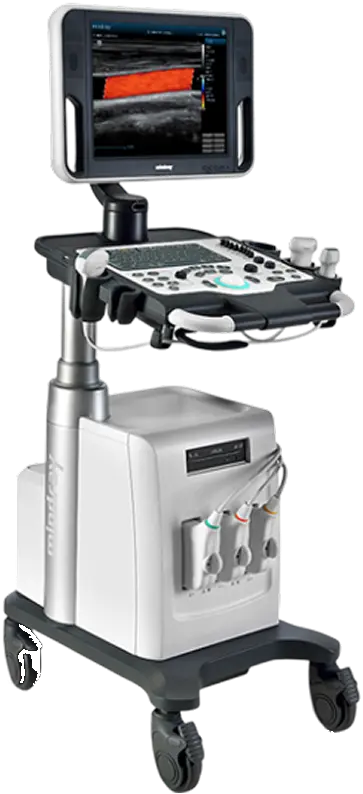
DC-30
Diagnostic Ultrasound system
 Syria _ Damascus _ Al-Rawda
Frequently asked questions about Appendectomy
What is Appendectomy?
Appendectomy in Syria: " The appendix is a finger-sized pouch that’s extended from the end of the colon on the lower right side of the abdomen. In the case of appendicitis , there’s a high probability that it may burst and cause dangerous complications, like the spread of the inflammation to the abdomen cavity, leading to peritonitis, and it might transfer to the blood, causing sepsis, which is a life-threatening condition. That’s why...
How do I prepare for Appendectomy?
" In all cases of appendicitis, the patient is first put on IV antibiotics and stays on them during the surgery and after it for a few days. If the appendectomy isn’t an emergency, the patient mustn’t have any food for 8 hours before the procedure. If appendicitis is suspected, the doctor asks the patient to do some tests in order to confirm the condition. "
What are the aftercare instructions for Appendectomy?
" The recovery period differs between people depending on the degree of inflammation and how the body responds to the surgery. However, the patients could return to their normal activities within 1-3 weeks or a month, and full recovery takes around six weeks. You must clean the wound regularly. You must only eat soft foods for a specific period of time, as the doctor recommends. You mustn’t do vigorous physical...
Which specialty is Appendectomy related to?
Appendectomy is related to: General Surgery.
Where can I get Appendectomy in Syria?
You can get Appendectomy at clinics and hospitals in Syria. To find specialists in General Surgery, see suggested doctors on this page or Click here
What are the possible complications of Appendectomy?
" Some side effects could occur after the procedure, such as nausea, constipation, belly bloating, and gas pain. Moreover, some severe complications could occur, but they’re rare, such as bleeding, wound infection, blocked bowels, and injury in the nearby organs. "


DC-30
Diagnostic Ultrasound system
Syria _ Damascus _ Al-Rawda