
 General Surgery
Cholecystectomy


Procedure preparations
- Cholecystectomy is done in many conditions in which the downsides of gallbladder removal are better than the ones of the treatment, and the most important reason for cholecystectomy is gallstones. The gallbladder is also removed in cases of severe inflammation and cancer.
- The gallbladder is located in the upper right side of the abdomen under the liver, and it collects and stores a part of the bile (digestive fluids produced from the liver) until being used from the small intestines. When the gallbladder is removed, the bile will only flow to the intestines without being stored; therefore, gallbladder removal surgery doesn’t affect the normal patient’s life.
- Cholecystectomy can be done by using an open surgery (surgical incision) or endoscopic surgery, and the patient is under general anesthesia.
- Cholecystectomy usually takes 60-90 minutes in endoscopic surgery, and the patient can return home on the same day, or one or two hours in open surgery, and the patient must stay in the hospital for a few days.
Procedure preparations
- Examining the patient’s health in general.
- The patient must stop taking blood thinners (anticoagulant medications), ibuprofen, and any other medications that the surgeon mentions two weeks before the procedure.
- The patient mustn’t have anything for 12 hours before the procedure.
Procedure complications
- Anesthesia problems.
- Bleeding.
- Infections.
- Bile leakage or bile reflux into the stomach.
- Damage to a nearby organ.
- Blood clots.
- Pancreatitis.
Procedure instructions
- Some side effects might occur for a temporary period of time, such as gas, diarrhea, constipation, and nausea, and this is normal.
- The digestive system needs a period of time to adjust to cholecystectomy; therefore, it’s recommended to follow a simple diet, as the doctor recommends.
- You must stick to the medications prescribed by the doctor and the regular visits.
- Immediately contact your surgeon when any sudden, odd problem or symptoms emerge.
- You can return to your normal daily routine within one or two weeks.
- You mustn’t do strenuous physical activity or heavy lifting until full recovery.
- Full recovery usually takes about two weeks after endoscopic surgery and 6-8 weeks after open surgery.


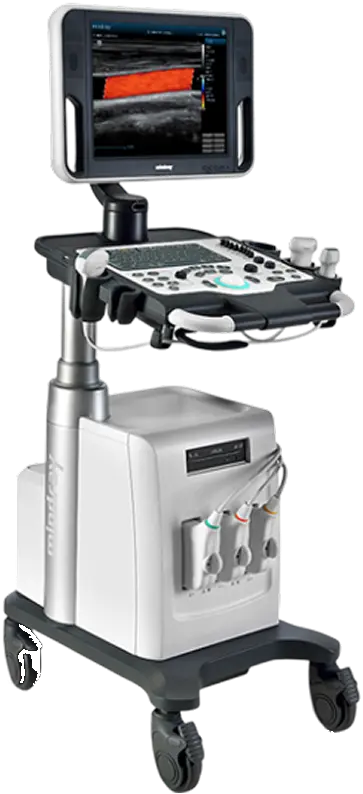
DC-30
Diagnostic Ultrasound system
 Syria _ Damascus _ Al-Rawda
Frequently asked questions about Cholecystectomy
What is Cholecystectomy?
Cholecystectomy in Syria: " Cholecystectomy is done in many conditions in which the downsides of gallbladder removal are better than the ones of the treatment, and the most important reason for cholecystectomy is gallstones . The gallbladder is also removed in cases of severe inflammation and cancer. The gallbladder is located in the upper right side of the abdomen under the liver, and it collects and stores a part of the bile (digestive...
How do I prepare for Cholecystectomy?
" Examining the patient’s health in general. The patient must stop taking blood thinners (anticoagulant medications), ibuprofen, and any other medications that the surgeon mentions two weeks before the procedure. The patient mustn’t have anything for 12 hours before the procedure. "
What are the aftercare instructions for Cholecystectomy?
" Some side effects might occur for a temporary period of time, such as gas, diarrhea, constipation, and nausea, and this is normal. The digestive system needs a period of time to adjust to cholecystectomy; therefore, it’s recommended to follow a simple diet, as the doctor recommends. You must stick to the medications prescribed by the doctor and the regular visits. Immediately contact your surgeon when any sudden,...
Which specialty is Cholecystectomy related to?
Cholecystectomy is related to: General Surgery.
Where can I get Cholecystectomy in Syria?
You can get Cholecystectomy at clinics and hospitals in Syria. To find specialists in General Surgery, see suggested doctors on this page or Click here
What are the possible complications of Cholecystectomy?
" Anesthesia problems. Bleeding. Infections. Bile leakage or bile reflux into the stomach. Damage to a nearby organ. Blood clots. Pancreatitis. "


DC-30
Diagnostic Ultrasound system
Syria _ Damascus _ Al-Rawda