
 Plastic reconstructive and aesthetic surgeryProcedural dermatology
Skin Graft


Procedure preparations
- In skin grafting, a part of the skin is taken from a part of the body and transplanted into another area where the skin is damaged or completely missing. Skin grafting is used in several conditions when the skin is damaged due to burns, some wounds, some diseases and infections, skin ulcers, and the removed skin in skin cancer. After the transplant, blood vessels start developing in the graft and connecting to the skin around it.
- Most skin grafts are taken from the same body. However, in some cases, there isn’t enough healthy skin, and in this case, the graft is taken from a cadaver or an animal, and this grafting is temporary until the graft site is healed or until healthy skin grows back again.
- There are several types of skin grafting:
- Split-thickness skin graft (STSG): the graft here constitutes of the outer layer of the skin (epidermis) with a part of the next layer (dermis), and it’s used when the grafting area is large. The donor skin is usually taken from the thigh, bottom, belly, or back.
- Full-thickness skin graft (FTSG): the graft here constitutes of both of the layers, the epidermis and dermis, and it’s used when the grafting area is small and can’t be covered up with clothes, such as the face. The skin is often taken from the groin, arms, or collarbone area.
- Composite graft: in this situation, the skin is removed with a part of the cartilage or other soft tissues. It’s usually used to repair the nose, ears, and fingertips.
- The procedure is done under general anesthesia, and the time that it takes differs depending on the patient’s condition and the grafting area size, and the patient must stay in the hospital for about two weeks, depending on the case.
Procedure preparations
- You must stop smoking for six weeks before the surgery.
- You must stop taking bloodthinners (anticoagulants), if any, for a period of time before the surgery as the doctor recommends.
- You must fast for 7-12 hours before the surgery.
Procedure complications
- An unsuccessful skin grafting due to blood or pus pooling under the grafted skin, damage in the graft, infections, or problems in the blood circulation.
- Contracture of the grafted skin.
- Bleeding.
- Loss of sensation in the skin or increased pain sensation.
- Chronic pain.
- Change in the skin color or uneven skin.
- Scarring around the graft site.
Procedure instructions
- Pain and discomfort, in addition to skin redness, are normal side effects temporarily after the procedure.
- The graft is covered with bandages for a period of time.
- You must follow the doctor’s instructions about taking care of the graft siter and changing the bandage.
- You mustn’t touch, press, or rub the graft.
- You must protect the graft from any damage.
- You must stick to the drugs prescribed by the doctor and the follow-up visits.
- You must avoid exercising and lifting heavy things for several weeks, as the doctor recommends.
- You must avoid smoking because it prolongs the recovery time.
- Immediately contact your doctor if any problem or weird symptoms occur.
- The place where the skin is taken from heals within 2-3 weeks, while the graft site takes more than that to heal.
- Full recovery depends on the type and size of the graft, the grafting area, and the patient’s condition in general.


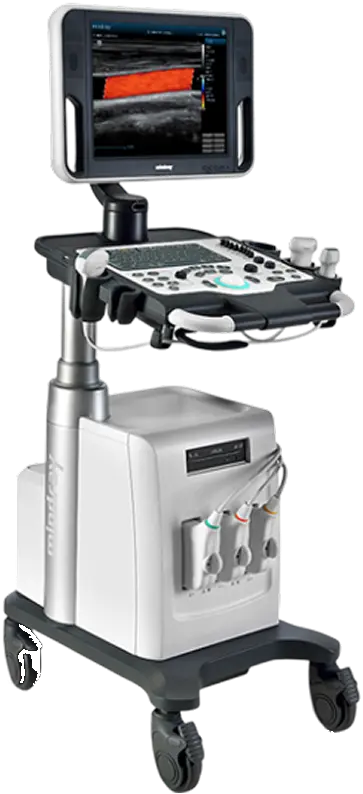
DC-30
Diagnostic Ultrasound system
 Syria _ Damascus _ Al-Rawda
Frequently asked questions about Skin Graft
What is Skin Graft?
Skin Graft in Syria: " In skin grafting, a part of the skin is taken from a part of the body and transplanted into another area where the skin is damaged or completely missing. Skin grafting is used in several conditions when the skin is damaged due to burns, some wounds, some diseases and infections, skin ulcers, and the removed skin in skin cancer. After the transplant, blood vessels start developing in the graft and connecting to the...
How do I prepare for Skin Graft?
" You must stop smoking for six weeks before the surgery. You must stop taking bloodthinners (anticoagulants), if any, for a period of time before the surgery as the doctor recommends. You must fast for 7-12 hours before the surgery. "
What are the aftercare instructions for Skin Graft?
" Pain and discomfort, in addition to skin redness, are normal side effects temporarily after the procedure. The graft is covered with bandages for a period of time. You must follow the doctor’s instructions about taking care of the graft siter and changing the bandage. You mustn’t touch, press, or rub the graft. You must protect the graft from any damage. You must stick to the drugs prescribed by the doctor and the...
Which specialty is Skin Graft related to?
Skin Graft is related to: Plastic reconstructive and aesthetic surgery and Procedural dermatology.
Where can I get Skin Graft in Syria?
You can get Skin Graft at clinics and hospitals in Syria. To find specialists in Plastic reconstructive and aesthetic surgery, see suggested doctors on this page or Click here
What are the possible complications of Skin Graft?
" An unsuccessful skin grafting due to blood or pus pooling under the grafted skin, damage in the graft, infections, or problems in the blood circulation. Contracture of the grafted skin. Bleeding. Loss of sensation in the skin or increased pain sensation. Chronic pain. Change in the skin color or uneven skin. Scarring around the graft site. "


DC-30
Diagnostic Ultrasound system
Syria _ Damascus _ Al-Rawda