
 Plastic reconstructive and aesthetic surgeryProcedural dermatology
Scar Revision


Procedure preparations
Scar revision aims to remove the skin scars that result from several causes, such as surgeries, acne, burns, skin infections, piercings, and physical traumas.
Scar removal can be done in many ways:
- Topical treatments like silicone gel, pressure therapy, and tape therapy.
- Injectable treatments, such as filler injections and others.
- Surface treatments, such as dermabrasion (a surgical procedure in which the outer layers of the skin are removed. This procedure causes an open wound that takes time to heal, and it’s done under local or general anesthesia), light or laser therapy, chemical peeling (chemical substances are used to remove the outer layers of the skin, and usually, this procedure doesn’t require anesthesia), and skin bleaching agents.
- Surgical scar removal, which is used if the scar is deep, large, or restricts the movement. In this procedure, the scar is removed, and then the skin is stitched. Some cases might require a skin graft if there isn’t enough skin to cover the scar’s area.
- Surgical scar removal is done under general anesthesia, and the duration differs depending on the patient’s condition and the scar size. The patient can return home on the same day, unless skin graft is used.
Procedure preparations
- The doctor examines the patient’s health in general and chooses the suitable scar removal method.
- You must stop taking bloodthinners (anticoagulants) and other medications, if any, before the surgical scar removing procedure, as the doctor recommends.
- You must stop smoking before the surgical scar revision, as the doctor recommends.
Procedure complications
Surface and injectable treatments might cause blistering, swelling, increased sunlight sensitivity, and skin discoloration.
Surgical treatment might cause:
- Anesthesia complications.
- A new scar.
- Bleeding.
- Asymmetry.
- Deep vein thrombosis (DVT).
- Pulmonary and cardiac complications.
- Infections.
- Tissue damage.
- Seroma (fluid accumulation).
- Looseness and discoloration of the skin.
- Fat tissue necrosis.
Procedure instructions
- Pain, discomfort, and red and irritated skin are normal side effects.
- You can’t scratch or rub the area.
- You can bathe the next day after the procedure.
- You must stick to the medications prescribed by the surgeon and the regular visits.
- Immediately contact your surgeon when any sudden, odd problems or symptoms emerge.
- The results might take a few months to be clear, and full recovery might take a year in some cases.


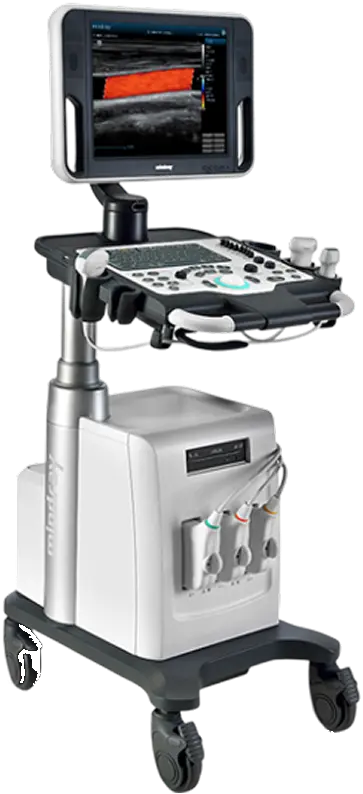
DC-30
Diagnostic Ultrasound system
 Syria _ Damascus _ Al-Rawda
Frequently asked questions about Scar Revision
What is Scar Revision?
Scar Revision in Syria: " Scar revision aims to remove the skin scars that result from several causes, such as surgeries, acne, burns, skin infections, piercings, and physical traumas. Scar removal can be done in many ways: Topical treatments like silicone gel, pressure therapy, and tape therapy. Injectable treatments, such as filler injections and others. Surface treatments, such as dermabrasion (a surgical procedure in which the outer...
How do I prepare for Scar Revision?
" The doctor examines the patient’s health in general and chooses the suitable scar removal method. You must stop taking bloodthinners (anticoagulants) and other medications, if any, before the surgical scar removing procedure, as the doctor recommends. You must stop smoking before the surgical scar revision, as the doctor recommends. "
What are the aftercare instructions for Scar Revision?
" Pain, discomfort, and red and irritated skin are normal side effects. You can’t scratch or rub the area. You can bathe the next day after the procedure. You must stick to the medications prescribed by the surgeon and the regular visits. Immediately contact your surgeon when any sudden, odd problems or symptoms emerge. The results might take a few months to be clear, and full recovery might take a year in some...
Which specialty is Scar Revision related to?
Scar Revision is related to: Plastic reconstructive and aesthetic surgery and Procedural dermatology.
Where can I get Scar Revision in Syria?
You can get Scar Revision at clinics and hospitals in Syria. To find specialists in Plastic reconstructive and aesthetic surgery, see suggested doctors on this page or Click here
What are the possible complications of Scar Revision?
" Surface and injectable treatments might cause blistering, swelling, increased sunlight sensitivity, and skin discoloration. Surgical treatment might cause: Anesthesia complications. A new scar. Bleeding. Asymmetry. Deep vein thrombosis (DVT). Pulmonary and cardiac complications. Infections. Tissue damage. Seroma (fluid accumulation). Looseness and discoloration of the skin. Fat tissue necrosis. "


DC-30
Diagnostic Ultrasound system
Syria _ Damascus _ Al-Rawda