
 Plastic reconstructive and aesthetic surgery
Botox Injections


Procedure preparations
- Botox is the brand name of botulinum toxin, which is extracted from specific bacteria. This toxin affects the nerves and causes temporarily weakened muscles.
- Botox injections are used for cosmetic reasons, such as removing wrinkle on the face and neck, and therapeutic reasons, such as muscle spasms, lazy eye, blepharospasm, excessive sweating, migraines, and bladder problems.
- Botox injections are usually administered in the doctor’s office, and their amount depends on the size of the area in which they’re given. This procedure doesn’t take long in general, and the person can leave immediately after it.
Procedure preparations
- The doctor asks the person about their medications and supplements.
- It’s recommended to not consume alcohol 24 hours before the procedure.
- Botox injections can’t be given in pregnancy and breastfeeding, neuromuscular disease, weak face muscles, or ptosis (drooping eyelids).
Procedure complications
Botox injections are safe in general, but they might cause the following side effects:
- Pain, swelling, and bruising in the site of the injection.
- Cold-like symptoms.
- Headache.
- Droopy eyelids and crooked eyebrows.
- Crooked smile.
- Dry eye or watery eye.
- Infections at the site of the injection.
- Stomach disturbance.
Rarely, botox injections could cause the following complications:
- Weak muscles.
- Problems with talking and swallowing.
- Breathing problems.
- Vision problems.
- Uncontrolled bladder.
- Allergic reaction.
Procedure instructions
- You must not rub or massage the injection area for 24 hours after the procedure.
- Don’t lie down for 4 hours after the procedure.
- Don’t exercise for 24 hours after the procedure.
- Call your doctor immediately if any sudden problem or symptom arises.
- It’s recommended not to take baths for 24 hours after the procedure.
- It’s recommended not to take antibiotics, vitamin C, omega 3, or their foods for a week after the procedure.
- Botox injections usually last for 3-4 months.


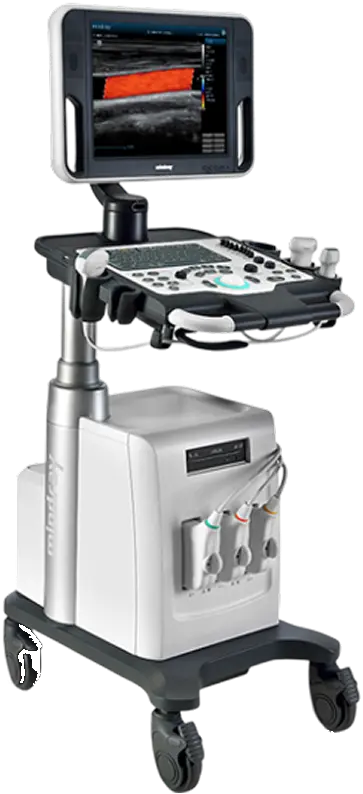
DC-30
Diagnostic Ultrasound system
 Syria _ Damascus _ Al-Rawda
Frequently asked questions about Botox Injections
What is Botox Injections?
Botox Injections in Syria: " Botox is the brand name of botulinum toxin, which is extracted from specific bacteria. This toxin affects the nerves and causes temporarily weakened muscles. Botox injections are used for cosmetic reasons, such as removing wrinkle on the face and neck, and therapeutic reasons, such as muscle spasms, lazy eye, blepharospasm, excessive sweating, migraines, and bladder problems. Botox injections are usually...
How do I prepare for Botox Injections?
" The doctor asks the person about their medications and supplements. It’s recommended to not consume alcohol 24 hours before the procedure. Botox injections can’t be given in pregnancy and breastfeeding, neuromuscular disease, weak face muscles, or ptosis (drooping eyelids). "
What are the aftercare instructions for Botox Injections?
" You must not rub or massage the injection area for 24 hours after the procedure. Don’t lie down for 4 hours after the procedure. Don’t exercise for 24 hours after the procedure. Call your doctor immediately if any sudden problem or symptom arises. It’s recommended not to take baths for 24 hours after the procedure. It’s recommended not to take antibiotics, vitamin C, omega 3, or their foods for a week after the...
Which specialty is Botox Injections related to?
Botox Injections is related to: Plastic reconstructive and aesthetic surgery.
Where can I get Botox Injections in Syria?
You can get Botox Injections at clinics and hospitals in Syria. To find specialists in Plastic reconstructive and aesthetic surgery, see suggested doctors on this page or Click here
What are the possible complications of Botox Injections?
" Botox injections are safe in general, but they might cause the following side effects: Pain, swelling, and bruising in the site of the injection. Cold -like symptoms. Headache. Droopy eyelids and crooked eyebrows. Crooked smile. Dry eye or watery eye. Infections at the site of the injection. Stomach disturbance. Rarely, botox injections could cause the following complications: Weak muscles. Problems with talking...


DC-30
Diagnostic Ultrasound system
Syria _ Damascus _ Al-Rawda