
 Plastic reconstructive and aesthetic surgery

Procedure preparations
- Gynecomastia is the condition of enlarged breasts in males, and it could occur at any age. Gynecomastia might occur due to obesity, hormonal changes, or some drugs. The enlarged male breasts are a very common condition and affect more than have the males around the world.
- Some cases might only need liposuction, in which excessive fats are removed from the breasts, while other cases might require complete excision of the excess skin and tissues in addition to reducing the size of the nipple and areola. In some cases, the patient might need both liposuction and excision.
- The surgery is usually done under general anesthesia, and it takes about one and a half hours. The patient can return home on the same day after stabilization.
Procedure preparations
- Examining the patient’s health in general.
- You must stop smoking six weeks before the surgery.
- You must stop taking bloodthinners (anticoagulants), if any, before the surgery, as the doctor recommends.
Procedure complications
- Anesthesia complications.
- Scarring.
- Bleeding.
- Asymmetry.
- Deep vein thrombosis (DVT).
- Pulmonary and cardiac complications.
- Infections.
- Tissue damage.
- Seroma (fluid accumulation).
- Looseness and discoloration of the skin.
- Fat tissue necrosis.
- Change or loss of the sensation in the breast area.
Procedure instructions
- The feeling of pain and soreness for about a week after surgery is a normal side effect.
- You must wear a support garment for a period of time as the doctor recommends.
- The surgeon might need to place drainage tubes for a period of time.
- You can return to your normal daily activity after a week.
- You must avoid strenuous physical activities and lifting heavy things for about a month.
- You must stick to the medications prescribed by the surgeon and the regular visits.
- Immediately contact your surgeon when any sudden, odd problems or symptoms emerge.
- You can see the result immediately after the surgery, but full recovery and final results might take 3-6 months.


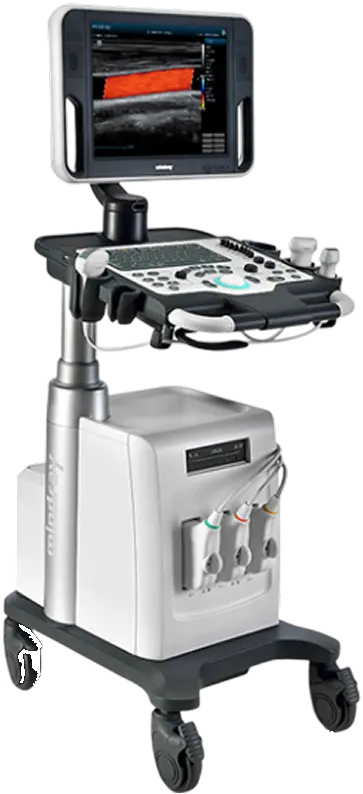
DC-30
Diagnostic Ultrasound system
 Syria _ Damascus _ Al-Rawda
Frequently asked questions about Male Breast Reduction Surgery
What is Male Breast Reduction Surgery?
Male Breast Reduction Surgery in Syria: " Gynecomastia is the condition of enlarged breasts in males, and it could occur at any age. Gynecomastia might occur due to obesity , hormonal changes, or some drugs. The enlarged male breasts are a very common condition and affect more than have the males around the world. Some cases might only need liposuction , in which excessive fats are removed from the breasts, while other cases might require complete...
How do I prepare for Male Breast Reduction Surgery?
" Examining the patient’s health in general. You must stop smoking six weeks before the surgery. You must stop taking bloodthinners (anticoagulants), if any, before the surgery, as the doctor recommends. "
What are the aftercare instructions for Male Breast Reduction Surgery?
" The feeling of pain and soreness for about a week after surgery is a normal side effect. You must wear a support garment for a period of time as the doctor recommends. The surgeon might need to place drainage tubes for a period of time. You can return to your normal daily activity after a week. You must avoid strenuous physical activities and lifting heavy things for about a month. You must stick to the...
Which specialty is Male Breast Reduction Surgery related to?
Male Breast Reduction Surgery is related to: Plastic reconstructive and aesthetic surgery.
Where can I get Male Breast Reduction Surgery in Syria?
You can get Male Breast Reduction Surgery at clinics and hospitals in Syria. To find specialists in Plastic reconstructive and aesthetic surgery, see suggested doctors on this page or Click here
What are the possible complications of Male Breast Reduction Surgery?
" Anesthesia complications. Scarring. Bleeding. Asymmetry. Deep vein thrombosis (DVT) . Pulmonary and cardiac complications. Infections . Tissue damage. Seroma (fluid accumulation). Looseness and discoloration of the skin. Fat tissue necrosis. Change or loss of the sensation in the breast area. "
DC-30
Diagnostic Ultrasound system
Syria _ Damascus _ Al-Rawda