
 Dental Surgery and Implantology
Dental Implants


Procedure preparations
- The dental implant procedure aims to replace missing or damaged teeth with artificial ones.
- The artificial tooth consists of three parts: an artificial tooth root (threaded post), an abutment, and a dental restoration, which could be a crown, a bridge, or a denture. Dental implants are mostly made of titanium and sometimes ceramic.
- In the dental implant surgery, firstly an incision is made in the gum to create a hole in the jawbone to implant the threaded post, then it’s left for about 3-9 months or more to fuse completely with the bone. After that, the abutment and dental restoration are placed.
- Dental implant surgery is done under local anesthesia and sometimes general anesthesia, and the time of the procedure differs depending on the case.
Procedure preparations
- Examining the teeth’s health in general.
- Reviewing the medical history of the patient and making sure that they’re eligible for the dental implant surgery because there are some diseases, such as diabetes, that might make the patient ineligible for dental implant surgery.
- The bone density in the patient must be good for dental implants.
- You must stop smoking for awhile before the surgery.
- You must stop taking bloodthinners (anti-coagulants), ibuprofen, and any other drugs or herbs that the doctor mentions two weeks before the surgery.
Procedure complications
- Infections.
- Bleedings.
- Jaw fractures.
- Damage in the surrounding teeth.
- Damage in the nerves and blood vessels.
- Damage in the sinus.
Procedure instructions
- Some side effects might occur temporarily after dental implants, such as face and gum swelling, pain, minor bleeding, bruises, and sore throat.
- You can’t have anything for at least two hours after the surgery.
- You must practice good mouth and teeth hygiene.
- You must stick to the medications prescribed by the doctor and the review visits.
- Immediately contact your doctor if any problem or weird symptom emerges.
- Initial healing might take a week, yet as we said, the artificial tooth root takes 3-9 months to fuse completely with the jawbone. Dental implants might last a lifetime, but the dental restoration (crowns and bridges) might require replacing after about 15 years, while dentures might need replacing after about 7 years, depending on the case.


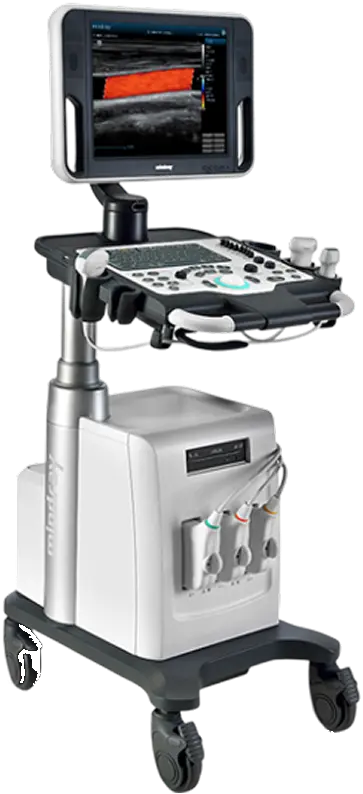
DC-30
Diagnostic Ultrasound system
 Syria _ Damascus _ Al-Rawda
Frequently asked questions about Dental Implants
What is Dental Implants?
Dental Implants in Syria: " The dental implant procedure aims to replace missing or damaged teeth with artificial ones. The artificial tooth consists of three parts: an artificial tooth root (threaded post), an abutment, and a dental restoration, which could be a crown , a bridge , or a denture . Dental implants are mostly made of titanium and sometimes ceramic. In the dental implant surgery, firstly an incision is made in the gum to create...
How do I prepare for Dental Implants?
" Examining the teeth’s health in general. Reviewing the medical history of the patient and making sure that they’re eligible for the dental implant surgery because there are some diseases, such as diabetes , that might make the patient ineligible for dental implant surgery. The bone density in the patient must be good for dental implants. You must stop smoking for awhile before the surgery. You must stop taking...
What are the aftercare instructions for Dental Implants?
" Some side effects might occur temporarily after dental implants, such as face and gum swelling, pain, minor bleeding, bruises, and sore throat. You can’t have anything for at least two hours after the surgery. You must practice good mouth and teeth hygiene. You must stick to the medications prescribed by the doctor and the review visits. Immediately contact your doctor if any problem or weird symptom emerges....
Which specialty is Dental Implants related to?
Dental Implants is related to: Dental Surgery and Implantology.
Where can I get Dental Implants in Syria?
You can get Dental Implants at clinics and hospitals in Syria. To find specialists in Dental Surgery and Implantology, see suggested doctors on this page or Click here
What are the possible complications of Dental Implants?
" Infections. Bleedings. Jaw fractures. Damage in the surrounding teeth. Damage in the nerves and blood vessels. Damage in the sinus. "


DC-30
Diagnostic Ultrasound system
Syria _ Damascus _ Al-Rawda