
 cardiac surgery

Procedure preparations
- In atrial septal defect closure surgery, the hole in the heart between the atria (upper heart chambers) is closed. Each baby is born with this hole, which usually closes on its own after a few weeks or months of birth, but in some cases, this hole doesn’t close, and that leads to several problems that might be severe sometimes.
- In case the hole is small, the person often doesn’t need an ASD closure surgery, while if the hole is large, the blood might go to other places where it shouldn’t go. And that causes many problems in the heart and lungs, such as pulmonary hypertension, an enlarged heart, shortness of breath, arrhythmias, heart failure, and stroke.
- ASD closure procedure might be done by using open-heart surgery or cardiac catheterization, depending on the case. The hole is closed either by covering it with a patch that’s made of the patient’s tissue or a synthetic material, plugging it with a closure device, or by stitching it surgically.
- Atrial septal defect closure surgery is done under general anesthesia, and the patient must stay in the hospital for a period of time, depending on the case.
Procedure preparations
- Examining the patient’s health in general.
- The patient must stop smoking before the procedure.
- The patient must stop taking blood thinners (anticoagulant medications), ibuprofen, and any other medications that the surgeon mentions two weeks before the procedure.
- The patient mustn’t have anything for 12 hours before the procedure.
Procedure complications
- Allergies to the synthetic material, if used.
- Bleeding.
- Infections.
- Damage in the heart’s tissue or veins.
- Arrhythmias.
- Kidney failure.
- Stroke.
Procedure instructions
- You must stick to the medications prescribed by the surgeon and the regular visits.
- Immediately contact your surgeon when any sudden, odd problem or symptoms emerge.
- The time that the patient needs to get back to the normal daily routine and recover differs depending on the type of the procedure.
- If ASD closure surgery is done to a patient younger than 25 years old, then the expected life span for them is the same as the one of other healthy people, while if the patient is older than that, then the expected lifespan might be slightly shorter.


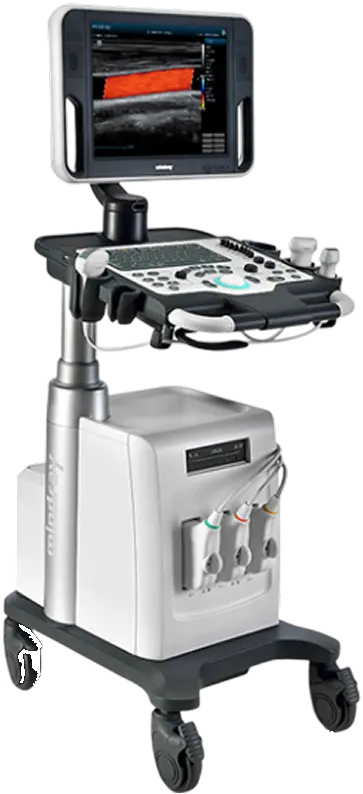
DC-30
Diagnostic Ultrasound system
 Syria _ Damascus _ Al-Rawda
Frequently asked questions about Atrial Septal Defect (ASD) Closure
What is Atrial Septal Defect (ASD) Closure?
Atrial Septal Defect (ASD) Closure in Syria: " In atrial septal defect closure surgery, the hole in the heart between the atria (upper heart chambers) is closed. Each baby is born with this hole, which usually closes on its own after a few weeks or months of birth, but in some cases, this hole doesn’t close, and that leads to several problems that might be severe sometimes. In case the hole is small, the person often doesn’t need an ASD closure surgery, while...
How do I prepare for Atrial Septal Defect (ASD) Closure?
" Examining the patient’s health in general. The patient must stop smoking before the procedure. The patient must stop taking blood thinners (anticoagulant medications), ibuprofen, and any other medications that the surgeon mentions two weeks before the procedure. The patient mustn’t have anything for 12 hours before the procedure. "
What are the aftercare instructions for Atrial Septal Defect (ASD) Closure?
" You must stick to the medications prescribed by the surgeon and the regular visits. Immediately contact your surgeon when any sudden, odd problem or symptoms emerge. The time that the patient needs to get back to the normal daily routine and recover differs depending on the type of the procedure. If ASD closure surgery is done to a patient younger than 25 years old, then the expected life span for them is the same...
Which specialty is Atrial Septal Defect (ASD) Closure related to?
Atrial Septal Defect (ASD) Closure is related to: cardiac surgery.
Where can I get Atrial Septal Defect (ASD) Closure in Syria?
You can get Atrial Septal Defect (ASD) Closure at clinics and hospitals in Syria. To find specialists in cardiac surgery, see suggested doctors on this page or Click here
What are the possible complications of Atrial Septal Defect (ASD) Closure?
" Allergies to the synthetic material, if used. Bleeding. Infections. Damage in the heart’s tissue or veins. Arrhythmias. Kidney failure. Stroke. "
DC-30
Diagnostic Ultrasound system
Syria _ Damascus _ Al-Rawda