
 Ophthalmology and Eye Surgery

Procedure preparations
- In dacryocystorhinostomy, an opening is made between the lacrimal sac and the nose in case the tear duct is blocked (the duct that connects the lacrimal sac with the nose to drain the tears). A blocked tear duct occurs due to several reasons, such as congenital problems, a blockage because of a tumor, an injury or trauma to the nose, a chronic inflammation in the nose or sinus, and conjunctivitis. Usually, DCR is done in case other treatments didn’t relieve the symptoms, which include pain and swelling around the eyes, eye irritation, and mucous discharges.
- Dacryocystorhinostomy can be done in two ways, either by making an external incision in the skin under the eye next to the nose or endoscopically through the nose.
- DCR is done by making a small opening in the bone that overlies the lacrimal sac, and then a connection is made between the lacrimal sac and nose cavity, and the surgeon puts a tube to keep the connection open.
- Dacryocystorhinostomy is done under local or general anesthesia, and the patient can return home on the same day.
Procedure preparations
- Examining the patient’s health in general.
- The patient must stop taking blood thinners (anticoagulant medications), ibuprofen, and any other medications that the surgeon mentions two weeks before the procedure.
- The patient mustn’t have anything for 12 hours before the procedure.
Procedure complications
- Bleeding.
- Infections.
- Displacement of the tube.
- Abnormal fused tissue in the nose.
- A prominent scar in case of using the external incision way.
- Unsuccessful surgery.
Procedure instructions
- Temporary side effects like pain, swelling, and bruising are normal.
- You must stick to the medications prescribed by the surgeon and the regular visits.
- Immediately contact your surgeon when any sudden, odd problem or symptoms emerge.
- Don’t do strenuous exercises or heavy lifting for a week after the surgery.
- You must keep your head up all the time and not try to blow your nose for a week after the surgery.


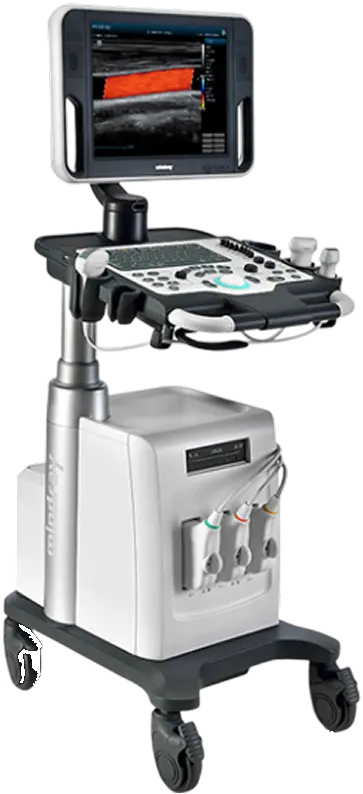
DC-30
Diagnostic Ultrasound system
 Syria _ Damascus _ Al-Rawda
Frequently asked questions about Dacryocystorhinostomy (DCR)
What is Dacryocystorhinostomy (DCR)?
Dacryocystorhinostomy (DCR) in Syria: " In dacryocystorhinostomy, an opening is made between the lacrimal sac and the nose in case the tear duct is blocked (the duct that connects the lacrimal sac with the nose to drain the tears). A blocked tear duct occurs due to several reasons, such as congenital problems, a blockage because of a tumor, an injury or trauma to the nose, a chronic inflammation in the nose or sinus, and conjunctivitis. Usually, DCR is...
How do I prepare for Dacryocystorhinostomy (DCR)?
" Examining the patient’s health in general. The patient must stop taking blood thinners (anticoagulant medications), ibuprofen, and any other medications that the surgeon mentions two weeks before the procedure. The patient mustn’t have anything for 12 hours before the procedure. "
What are the aftercare instructions for Dacryocystorhinostomy (DCR)?
" Temporary side effects like pain, swelling, and bruising are normal. You must stick to the medications prescribed by the surgeon and the regular visits. Immediately contact your surgeon when any sudden, odd problem or symptoms emerge. Don’t do strenuous exercises or heavy lifting for a week after the surgery. You must keep your head up all the time and not try to blow your nose for a week after the surgery. "
Which specialty is Dacryocystorhinostomy (DCR) related to?
Dacryocystorhinostomy (DCR) is related to: Ophthalmology and Eye Surgery.
Where can I get Dacryocystorhinostomy (DCR) in Syria?
You can get Dacryocystorhinostomy (DCR) at clinics and hospitals in Syria. To find specialists in Ophthalmology and Eye Surgery, see suggested doctors on this page or Click here
What are the possible complications of Dacryocystorhinostomy (DCR)?
" Bleeding. Infections . Displacement of the tube. Abnormal fused tissue in the nose. A prominent scar in case of using the external incision way. Unsuccessful surgery. "
DC-30
Diagnostic Ultrasound system
Syria _ Damascus _ Al-Rawda