
 OphthalmologyOphthalmology and Eye Surgery
Cataract Surgery


Procedure preparations
- Cataracts cause blurred vision, therefore, in cataract surgery, we replace the eye lens (which becomes cloudy because of the cataract) with an artificial lens to improve the vision.
- Cataract surgery is one of the most easy and common procedures.
- During the procedure, only the eyes are numbed, and the patient remains awake. After anesthesia, the doctor makes a tiny incision in the cornea (a tissue that covers the frontal part of the eye and protects the interior. It also has an important role in the vision) with a laser or a special blade in order to reach the lens and remove it. After that, the artificial lens is placed (called intraocular lens IOL). Usually, the incision is left to heal by itself without stitching.
- The procedure usually takes 10-15 minutes for one eye, and the patient can go home directly after surgery.
Procedure preparations
- Before surgery, the doctor makes a thorough eye exam to check its health and choose a suitable lens, in addition to making sure that the patient is eligible for the procedure.
- The patient mustn’t have eaten for 12 hours before the surgery.
- The patient must avoid blood thinners (anticoagulant medications) for a period of time.
Procedure complications
- Eye infections.
- Bleeding and swelling in the eyes.
- An ongoing pain in the eyes despite taking painkillers.
- Vision disturbances, such as haloes, glare, and shadows.
- The new lens moves out of place.
- Retinal detachment (the retina is located in the back of the eye and has a main role in the vision process).
- Damage to other parts of the eye.
- Glaucoma.
- In some cases, vision loss.
Procedure instructions
- After the procedure, a protective shield is placed for several days and even during sleep to protect the eye from any external impact.
- You mustn’t touch, press, or rub the eyes.
- The patient mustn’t bend over or bend the head for a specific period of time.
- The patient mustn’t put anything on the eyes for a specific period of time.
- You must stick to the prescribed eye drops and medications.
- It’s recommended to wear sunglasses when going out.
- Immediately contact your doctor when any sudden, odd problem or symptoms emerge.
- In most cases, the vision improves within a few days, and full recovery often takes about four weeks.


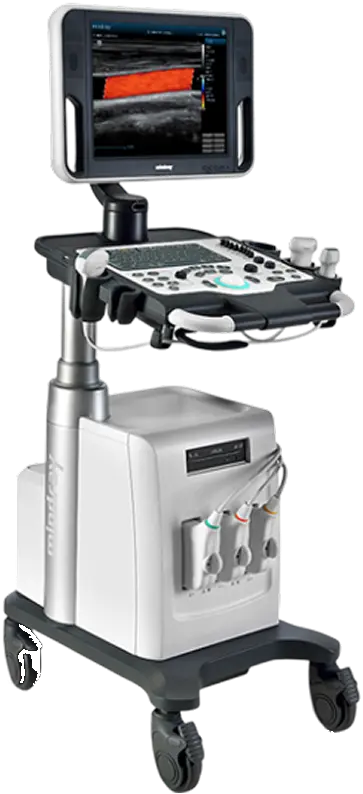
DC-30
Diagnostic Ultrasound system
 Syria _ Damascus _ Al-Rawda
Frequently asked questions about Cataract Surgery
What is Cataract Surgery?
Cataract Surgery in Syria: " Cataracts cause blurred vision, therefore, in cataract surgery, we replace the eye lens (which becomes cloudy because of the cataract) with an artificial lens to improve the vision. Cataract surgery is one of the most easy and common procedures. During the procedure, only the eyes are numbed, and the patient remains awake. After anesthesia, the doctor makes a tiny incision in the cornea (a tissue that covers the...
How do I prepare for Cataract Surgery?
" Before surgery, the doctor makes a thorough eye exam to check its health and choose a suitable lens, in addition to making sure that the patient is eligible for the procedure. The patient mustn’t have eaten for 12 hours before the surgery. The patient must avoid blood thinners (anticoagulant medications) for a period of time. "
What are the aftercare instructions for Cataract Surgery?
" After the procedure, a protective shield is placed for several days and even during sleep to protect the eye from any external impact. You mustn’t touch, press, or rub the eyes. The patient mustn’t bend over or bend the head for a specific period of time. The patient mustn’t put anything on the eyes for a specific period of time. You must stick to the prescribed eye drops and medications. It’s recommended to wear...
Which specialty is Cataract Surgery related to?
Cataract Surgery is related to: Ophthalmology and Ophthalmology and Eye Surgery.
Where can I get Cataract Surgery in Syria?
You can get Cataract Surgery at clinics and hospitals in Syria. To find specialists in Ophthalmology, see suggested doctors on this page or Click here
What are the possible complications of Cataract Surgery?
" Eye infections. Bleeding and swelling in the eyes. An ongoing pain in the eyes despite taking painkillers. Vision disturbances, such as haloes, glare, and shadows. The new lens moves out of place. Retinal detachment (the retina is located in the back of the eye and has a main role in the vision process). Damage to other parts of the eye. Glaucoma . In some cases, vision loss. "


DC-30
Diagnostic Ultrasound system
Syria _ Damascus _ Al-Rawda