
 Cosmetic and reconstructive surgeryGeneral SurgeryBariatrics

Procedure preparations
- Gastric bypass is a type of bariatric surgery in which a small part of the stomach is cut and reattached with a lower intestinal segment. This leads to the food passing through a smaller part of the stomach and a shorter part of the intestines; therefore, fewer calories and nutrients are absorbed, which leads to weight loss.
- Gastric bypass is done under general anesthesia, and in most of the cases, endoscopic surgery is used rather than making a surgical incision.
- Usually, the surgery takes 2-4 hours, and the patient must stay in the hospital for two days or more, depending on the case.
Procedure preparations
- The surgeon performs a physical exam to evaluate whether they are eligible for the gastric bypass surgery, in addition to some tests.
- The patient must stop smoking before the procedure.
- The patient must stop taking blood thinners (anticoagulant medications), ibuprofen, and any other medications or herbs that the surgeon mentions two weeks before the procedure.
- The specialist might recommend following a specific diet for a period of time before the procedure.
- The patient mustn’t eat anything for 12 hours before the procedure.
Procedure complications
- Anesthesia problems.
- Infections.
- Bleeding.
- Hernias.
- Leakages from the new reattachment points in the intestines, which leads to abdominal infections.
- Small bowel obstructions.
- Long-term complications, such as malnutrition, bile reflux, gallstones, ulcers, and dumping syndrome (it occurs when the stomach dumps food into the intestines very fast, and that causes abdominal cramps, nausea, diarrhea, and hypoglycemia).
Procedure instructions
- The patient must follow a specific diet for a period of time according to the specialist’s recommendations. It usually starts with having fluids only for a few days, then pureed foods for two or three months. After that, the patient can have regular foods.
- You must stick to the medications and supplements prescribed by the surgeon and the regular visits.
- Immediately contact your surgeon when any sudden, odd problem or symptoms emerge.
- You can return to your normal daily routine within a few weeks after the surgery.
- You must avoid strenuous physical activity and heavy lifting for 6 weeks after the surgery.
- Usually, the patient loses 70% of weight on average, and in the long term, the long-term weight loss becomes 50% of weight and stays stable for about 20 years.


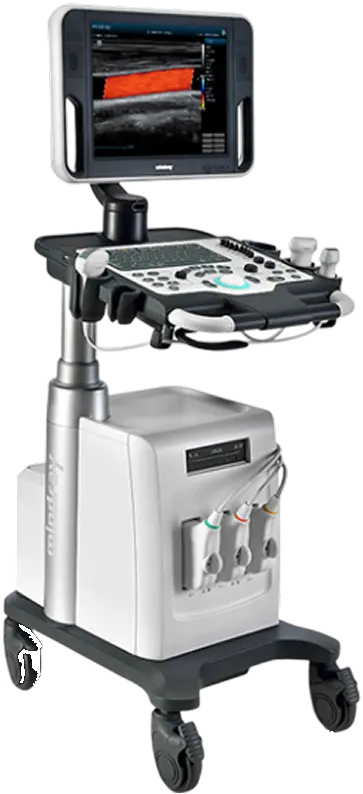
DC-30
Diagnostic Ultrasound system
 Syria _ Damascus _ Al-Rawda
Frequently asked questions about Gastric Bypass
What is Gastric Bypass?
Gastric Bypass in Syria: " Gastric bypass is a type of bariatric surgery in which a small part of the stomach is cut and reattached with a lower intestinal segment. This leads to the food passing through a smaller part of the stomach and a shorter part of the intestines; therefore, fewer calories and nutrients are absorbed, which leads to weight loss. Gastric bypass is done under general anesthesia, and in most of the cases, endoscopic...
How do I prepare for Gastric Bypass?
" The surgeon performs a physical exam to evaluate whether they are eligible for the gastric bypass surgery, in addition to some tests. The patient must stop smoking before the procedure. The patient must stop taking blood thinners (anticoagulant medications), ibuprofen, and any other medications or herbs that the surgeon mentions two weeks before the procedure. The specialist might recommend following a specific...
What are the aftercare instructions for Gastric Bypass?
" The patient must follow a specific diet for a period of time according to the specialist’s recommendations. It usually starts with having fluids only for a few days, then pureed foods for two or three months. After that, the patient can have regular foods. You must stick to the medications and supplements prescribed by the surgeon and the regular visits. Immediately contact your surgeon when any sudden, odd...
Which specialty is Gastric Bypass related to?
Gastric Bypass is related to: Cosmetic and reconstructive surgery, General Surgery and Bariatrics.
Where can I get Gastric Bypass in Syria?
You can get Gastric Bypass at clinics and hospitals in Syria. To find specialists in Cosmetic and reconstructive surgery, see suggested doctors on this page or Click here
What are the possible complications of Gastric Bypass?
" Anesthesia problems. Infections. Bleeding. Hernias . Leakages from the new reattachment points in the intestines, which leads to abdominal infections. Small bowel obstructions. Long-term complications, such as malnutrition, bile reflux, gallstones, ulcers , and dumping syndrome (it occurs when the stomach dumps food into the intestines very fast, and that causes abdominal cramps, nausea , diarrhea , and...
DC-30
Diagnostic Ultrasound system
Syria _ Damascus _ Al-Rawda