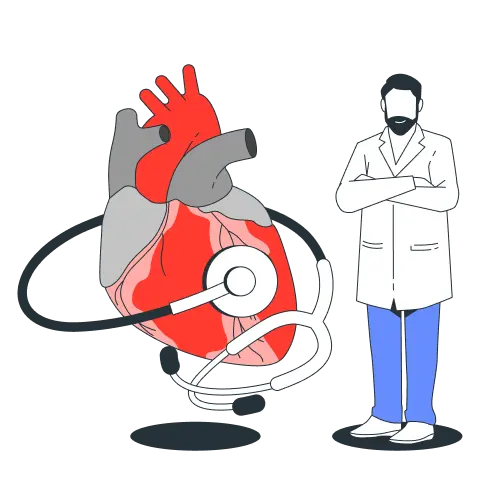
 cardiac surgeryCardiology

Procedure preparations
- A pacemaker is implanted in the conditions in which the heart needs help regulating its electrical system, and other treatments didn’t work. The electrical system is responsible for regulating the work of the heart chambers in order to make the heart pump correctly. Some of the conditions that require a pacemaker are: some cases of heart arrhythmias, heart failure, a history of heart attacks, and heart block (a problem in the movement of the signals from the upper to the lower heart part).
- There are several types of pacemakers, and also there is another type that differs from the normal pacemaker in that the normal one only regulates the heartbeats, while the other one detects the possibility of a heart arrhythmia and sends a shock to prevent it.
- The pacemaker can be inserted, depending on its type, by using cardiac catheterization, which usually takes about an hour, or through a surgery, which could take 2-5 hours.
- Pacemaker implantation surgery is done under local or general anesthesia, depending on the surgery type, and the patient can return home on the same day or might need to stay in the hospital, also depending on the surgery type.
Procedure preparations
- Examining the patient’s health in general.
- The patient must stop taking blood thinners (anticoagulant medications), ibuprofen, and any other medications that the doctor mentions two weeks before the procedure.
- The patient must stop smoking for a period of time before the surgery.
- The patient mustn’t have anything for 12 hours before the procedure.
Procedure complications
- Infections near the site of the device.
- Blood clots.
- Damage in the blood vessels or nerves.
- Blood leakage in the space between the lung and chest wall.
- Collapsed lung.
- In rare cases, the device might shift from its place.
Procedure instructions
- You must pay attention to the fact that some electrical devices might interfere with the device, such as some medical imaging devices, power-generating devices, and mobile phones. It’s recommended to keep the mobile phone 15 cm (6 inches) away from the device location.
- You must stick to the medications prescribed by the doctor and the regular visits.
- Immediately contact your surgeon when any sudden, odd problem or symptoms emerge.
- In most cases, you can return to your normal activity within days after implanting the device.


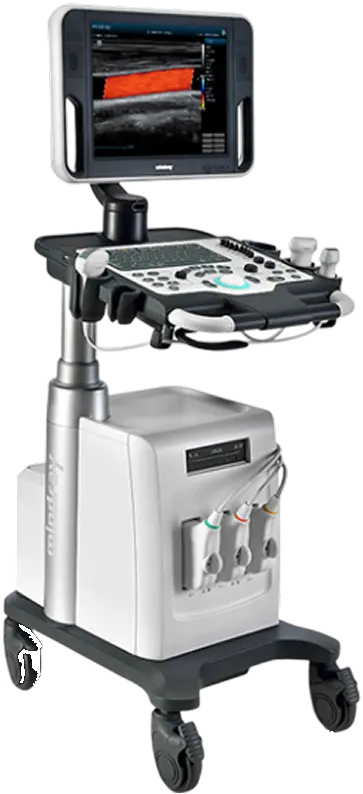
DC-30
Diagnostic Ultrasound system
 Syria _ Damascus _ Al-Rawda
Frequently asked questions about Pacemaker
What is Pacemaker?
Pacemaker in Syria: " A pacemaker is implanted in the conditions in which the heart needs help regulating its electrical system, and other treatments didn’t work. The electrical system is responsible for regulating the work of the heart chambers in order to make the heart pump correctly. Some of the conditions that require a pacemaker are: some cases of heart arrhythmias , heart failure , a history of heart attacks , and heart block (a...
How do I prepare for Pacemaker?
" Examining the patient’s health in general. The patient must stop taking blood thinners (anticoagulant medications), ibuprofen, and any other medications that the doctor mentions two weeks before the procedure. The patient must stop smoking for a period of time before the surgery. The patient mustn’t have anything for 12 hours before the procedure. "
What are the aftercare instructions for Pacemaker?
" You must pay attention to the fact that some electrical devices might interfere with the device, such as some medical imaging devices, power-generating devices, and mobile phones. It’s recommended to keep the mobile phone 15 cm (6 inches) away from the device location. You must stick to the medications prescribed by the doctor and the regular visits. Immediately contact your surgeon when any sudden, odd problem or...
Which specialty is Pacemaker related to?
Pacemaker is related to: cardiac surgery and Cardiology.
Where can I get Pacemaker in Syria?
You can get Pacemaker at clinics and hospitals in Syria. To find specialists in cardiac surgery, see suggested doctors on this page or Click here
What are the possible complications of Pacemaker?
" Infections near the site of the device. Blood clots. Damage in the blood vessels or nerves. Blood leakage in the space between the lung and chest wall. Collapsed lung. In rare cases, the device might shift from its place. "
DC-30
Diagnostic Ultrasound system
Syria _ Damascus _ Al-Rawda