
 cardiac surgery

Procedure preparations
- In open heart surgery, they open the chest wall to reach for the heart and fix it, and that’s done by making an incision above the sternum and cutting it, and then spreading the ribs to get to the heart.
- Open heart surgery is done in many conditions, such as aneurysms, problems in the heart valves and replacing them, coronary heart disease, congenital heart diseases like a hole in the heart, heart transplants, and heart assist devices.
- Open-heart surgery can be done with or without using a heart-lung bypass machine, which works by bumping blood for the body instead of the heart until finishing the procedure, depending on the case.
- Open heart surgery is done under general anesthesia, and it takes about 6 hours or more. The patient must stay in the hospital for a few days under monitoring.
Procedure preparations
- Examining the patient’s health and making sure that they’re eligible for open-heart surgery.
- The patient must stop smoking before the procedure.
- The patient must stop taking blood thinners (anticoagulant medications), ibuprofen, and any other medications that the surgeon mentions two weeks before the procedure.
- The patient mustn’t have anything for 12 hours before the procedure.
Procedure complications
Procedure instructions
- Some side effects might occur temporarily after open heart surgery, such as constipation, loss of appetite, pain, fatigue, insomnia, memory problems, depression, and mood swings.
- You mustn’t do strenuous physical activity or heavy lifting for at least six weeks.
- The doctor gives you instructions about how you get back to your daily routine and how to take care of the incision.
- You must stick to the medications prescribed by the surgeon and the regular visits.
- Immediately contact your surgeon when any sudden, odd problem or symptoms emerge.
- Full recovery might take 6-12 weeks or more, depending on the case.


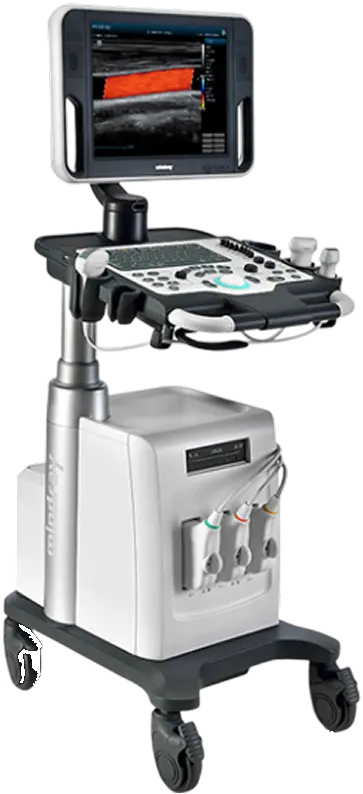
DC-30
Diagnostic Ultrasound system
 Syria _ Damascus _ Al-Rawda
Frequently asked questions about Open-Heart Surgery
What is Open-Heart Surgery?
Open-Heart Surgery in Syria: " In open heart surgery, they open the chest wall to reach for the heart and fix it, and that’s done by making an incision above the sternum and cutting it, and then spreading the ribs to get to the heart. Open heart surgery is done in many conditions, such as aneurysms, problems in the heart valves and replacing them, coronary heart disease, congenital heart diseases like a hole in the heart, heart transplants, and...
How do I prepare for Open-Heart Surgery?
" Examining the patient’s health and making sure that they’re eligible for open-heart surgery. The patient must stop smoking before the procedure. The patient must stop taking blood thinners (anticoagulant medications), ibuprofen, and any other medications that the surgeon mentions two weeks before the procedure. The patient mustn’t have anything for 12 hours before the procedure. "
What are the aftercare instructions for Open-Heart Surgery?
" Some side effects might occur temporarily after open heart surgery, such as constipation , loss of appetite, pain, fatigue, insomnia , memory problems, depression , and mood swings. You mustn’t do strenuous physical activity or heavy lifting for at least six weeks. The doctor gives you instructions about how you get back to your daily routine and how to take care of the incision. You must stick to the medications...
Which specialty is Open-Heart Surgery related to?
Open-Heart Surgery is related to: cardiac surgery.
Where can I get Open-Heart Surgery in Syria?
You can get Open-Heart Surgery at clinics and hospitals in Syria. To find specialists in cardiac surgery, see suggested doctors on this page or Click here
What are the possible complications of Open-Heart Surgery?
" Anesthesia problems. Infections. Bleeding. Irregular heartbeat. Damage in the surrounding blood vessels and organs. Blood clots. Stroke . The risk of having complications increases after an open-heart surgery if the patient has a kidney disease, diabetes , obesity , COPD , or a peripheral artery disease. "
DC-30
Diagnostic Ultrasound system
Syria _ Damascus _ Al-Rawda