
 Oral and maxillofacial surgery
Maxillofacial Surgery


Procedure preparations
- Maxillofacial surgery is used to correct the conditions that affect the face, jaws, and neck, in addition to the mouth, such as: jaw surgery, dental implants, dental bone grafting, cleft lip and cleft palate surgery, jaw implants, reconstructive face surgery, and sleep apnea surgery.
- Some conditions that use maxillofacial surgery: congenital face abnormalities, traumas and injuries of the face and jaws, jaw protrusion, temporomandibular joint disorders, and tumors in the face and jaws.
- Maxillofacial surgery is done under general anesthesia, and the time it takes differs depending on the type.
Procedure preparations
- Examining the patient’s health in general.
- The patient must stop taking blood thinners (anticoagulant medications), ibuprofen, and any other medications that the doctor mentions two weeks before the procedure.
- The patient mustn’t have anything for 12 hours before the procedure.
Procedure complications
- Bleeding.
- Infections.
- Damage in the nerves, bone, or tissues.
- Numbness or change in the sensation of the area.
Procedure instructions
- Some side effects occur temporarily after the procedure, such as pain, swelling, and bleeding.
- You must stick to the medications prescribed by the doctor and the regular visits.
- Immediately contact your surgeon when any sudden, odd problem or symptoms emerge.
- You must follow the doctor’s instructions regarding avoiding hard food, strenuous physical activity, and heavy lifting for a certain period of time.
- Full recovery differs depending on the surgery’s type.


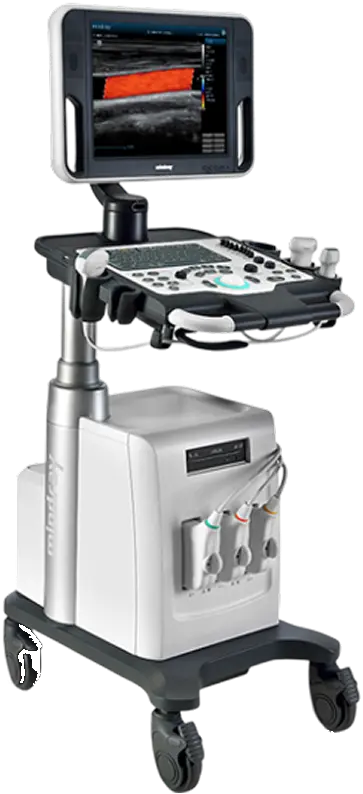
DC-30
Diagnostic Ultrasound system
 Syria _ Damascus _ Al-Rawda
Frequently asked questions about Maxillofacial Surgery
What is Maxillofacial Surgery?
Maxillofacial Surgery in Syria: " Maxillofacial surgery is used to correct the conditions that affect the face, jaws, and neck, in addition to the mouth, such as: jaw surgery, dental implants , dental bone grafting , cleft lip and cleft palate surgery , jaw implants, reconstructive face surgery, and sleep apnea surgery. Some conditions that use maxillofacial surgery: congenital face abnormalities, traumas and injuries of the face and jaws, jaw...
How do I prepare for Maxillofacial Surgery?
" Examining the patient’s health in general. The patient must stop taking blood thinners (anticoagulant medications), ibuprofen, and any other medications that the doctor mentions two weeks before the procedure. The patient mustn’t have anything for 12 hours before the procedure. "
What are the aftercare instructions for Maxillofacial Surgery?
" Some side effects occur temporarily after the procedure, such as pain, swelling, and bleeding. You must stick to the medications prescribed by the doctor and the regular visits. Immediately contact your surgeon when any sudden, odd problem or symptoms emerge. You must follow the doctor’s instructions regarding avoiding hard food, strenuous physical activity, and heavy lifting for a certain period of time. Full...
Which specialty is Maxillofacial Surgery related to?
Maxillofacial Surgery is related to: Oral and maxillofacial surgery.
Where can I get Maxillofacial Surgery in Syria?
You can get Maxillofacial Surgery at clinics and hospitals in Syria. To find specialists in Oral and maxillofacial surgery, see suggested doctors on this page or Click here
What are the possible complications of Maxillofacial Surgery?
" Bleeding. Infections. Damage in the nerves, bone, or tissues. Numbness or change in the sensation of the area. "


DC-30
Diagnostic Ultrasound system
Syria _ Damascus _ Al-Rawda