
 Neurology
Alzheimer's Disease


Forgetting simple things is normal once in a while, but when this forgetting becomes continuous and significant, then we must know that there’s a problem that must be corrected. Alzheimer’s disease is a prevalent condition that causes significant forgetfulness.
What is Alzheimer’s disease
Alzheimer’s disease is a neurological condition that affects the brain and leads to progressive memory loss and a decline in cognitive abilities and brain skills.
It usually affects people above the age of 65, yet it can affect younger people (it’s called early-onset Alzheimer). Alzheimer impacts 1 in every 10 people above 65 years old, and about a third of people above 85 years old will have it.
Generally, Alzheimer affects females more than males because females live longer.
Alzheimer is the most common cause of dementia, which is a condition and not a disease that usually increases in incidence with age and leads to memory loss and a decline in brain abilities.
We can classify Alzheimer into several stages: early or mild, middle or moderate, and late or severe.
Causes and risk factors that are related to Alzheimer’s disease
The brain consists of hundreds of millions of neurological cells that are connected with each other, and each part of them has a specific job. Alzheimer affects the part that’s correlated with memory and cognitive abilities, leading to their progressive death.
There isn’t a clear reason that explains the death of these cells, yet the scientists believe that there are several factors contributing to increasing the risk of this condition, such as:
- Genetics. The risk of Alzheimer increases when there are people in the family with it.
- Down syndrome.
- The existence of a mild cognitive impairment.
- Head traumas.
- Air pollution and environmental factors like the existence of aluminum and mercury.
- Excessive alcohol consumption and smoking.
- Poor sleep patterns and not sleeping well.
- Unhealthy lifestyle and not exercising.
Symptoms of Alzheimer’s disease
They differ according to the severity of the condition:
In the early stages
- Difficulty remembering some words to express the thoughts.
- Losing and misplacing things more than usual.
- Difficulty in solving problems and organizing in general.
- Taking a longer time than usual to complete daily tasks.
In moderate stages
- Increased memory loss, confusion, and forgetting personal details.
- Poor short memory.
- Difficulty recognizing the faces of family and friends.
- Repeating conversations and thoughts because they forgot that they said them before.
- Difficulty with simple math and dealing with numbers.
- The need for help with self-care like bathing and other things.
- Mood swings, depression, the desire to be isolated, and increased acting-out agitation.
In late or severe stages
- Almost total memory loss.
- The patients are unaware of their surroundings.
- The patient needs help in all daily basic activities like sitting down, eating, and others.
- Losing the ability to communicate, and their talk becomes incomprehensible most of the time.
- Decline in the body’s immunity.
Diagnosis of Alzheimer’s disease
- Medical history of the patient and the family.
- Asking about the psychological state of the patient and their ability to do daily activities.
- Physical and neurological exams.
- Mental status exam.
- Imaging tests for the brain.
- Other tests, like blood tests and others.
Management of Alzheimer’s disease
Unfortunately, there isn’t a cure for Alzheimer’s disease because, as we said, it causes the death of the neurological cells, and this is irreversible. However, we can manage the symptoms and delay the deterioration of the patient’s condition through these management strategies:
- Specific medications that are prescribed by the specialist improve the connection between the neurological cells and slow down their death, which relieves the symptoms and decreases the speed of their appearance.
- Psychological and social support from family and friends.
- Helping the patients with their needs and organizing their stuff in order to improve their quality of life.


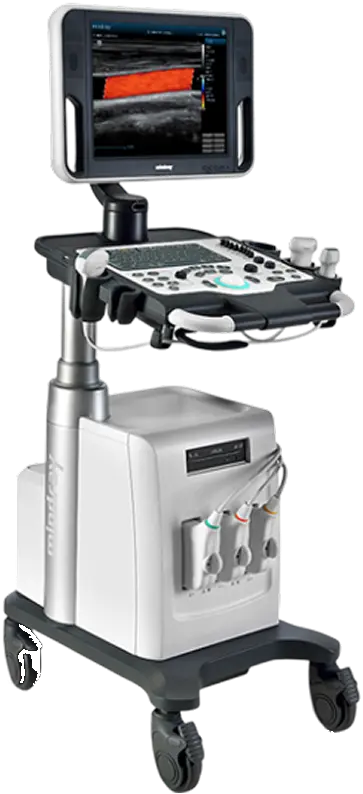
DC-30
Diagnostic Ultrasound system
 Syria _ Damascus _ Al-Rawda
Frequently asked questions about Alzheimer's Disease
What is the topic of Alzheimer's Disease?
Alzheimer's Disease : Forgetting simple things is normal once in a while, but when this forgetting becomes continuous and significant in Syria on Doctors.sy.
What medical category is Alzheimer's Disease in?
Alzheimer's Disease is categorized under Neurology on Doctors.sy in Syria.
Where can I find specialists related to Alzheimer's Disease?
To find doctors and facilities specializing in Neurology in Syria, see suggested providers on this article page or Click here
Does Alzheimer's Disease include medical references?
Yes, Alzheimer's Disease includes 2 medical reference(s) in the references section below the article on Doctors.sy.
What is What is Alzheimer’s disease?
Alzheimer’s disease is a neurological condition that affects the brain and leads to progressive memory loss and a decline in cognitive abilities and brain skills.
What is Causes and risk factors that are related to Alzheimer’s disease?
The brain consists of hundreds of millions of neurological cells that are connected with each other, and each part of them has a specific job. Alzheimer affects the part that’s correlated with memory and cognitive abilities, leading to their progressive death.
What is Symptoms of Alzheimer’s disease?
They differ according to the severity of the condition:
Where can I read more articles about Neurology?
You can read related Neurology articles at the bottom of this page or browse more on Doctors.sy: Click here


DC-30
Diagnostic Ultrasound system
Syria _ Damascus _ Al-Rawda Dr. Samer Khattab ClinicNeurosurgeryNeurosurgery
 Syria - Dimashq, Baghdad Street ....Open929 M1.12 Min111
 Damascus Hospital - Al MoujtahedGeneral,General SurgeryGeneral,General SurgerySyria - Dimashq, Al Moujtahed....Open1.57 KM1.89 Min2123
 Dr. Ahmad Khaled Taji ClinicNeurology,PsychiatryNeurology,PsychiatrySyria - Dimashq, Al-Afif - Shura....Open2.87 KM3.45 Min1184