
 Neurology
Electromyography (EMG)


Procedure preparations
- An electromyography (EMG) test is used to evaluate the health of the motor neurons with the muscles that are controlled by them. Every move we make, whether it’s simple or complicated, requires combined work between specific nerve cells and the muscles, and this move is done by sending electrical signals from these cells to the muscle. An EMG test detects these signals in order to diagnose any issue, such as peripheral neuropathy, carpal tunnel syndrome, sciatica, cervical radiculopathy, muscular dystrophy, polymyositis, dermatomyositis, amyotrophic lateral sclerosis, post-polio syndrome, myasthenia gravis, and herniated disc.
- During the EMG procedure, the specialist inserts a small needle with an electrode through the skin into the muscles that they want to study. After that, they will ask the patient to do certain movements with the muscles, and a machine will measure and show the electrical activity of these muscles and the nerves on a monitor.
- The test might take one hour to one and a half, depending on how many muscles are being tested.
Procedure preparations
- You must bathe before the test and wear loose-fitting clothes.
- You mustn’t put any topical products on the skin.
- You must tell your doctor about any medication you take and if you have an electrical medical device like a pacemaker.
Procedure complications
- An EMG test is generally safe, but some people, especially those who take blood thinners, might bleed after removing the needles.
- The patient might have sore or tender muscles for a few days after the test.
Procedure instructions
- The results of the EMG test will be ready after one or two days.
- You should call your doctors if any symptom or problem manifests, like nonstop bleeding, severe pain, and fever.


DC-30
Diagnostic Ultrasound system
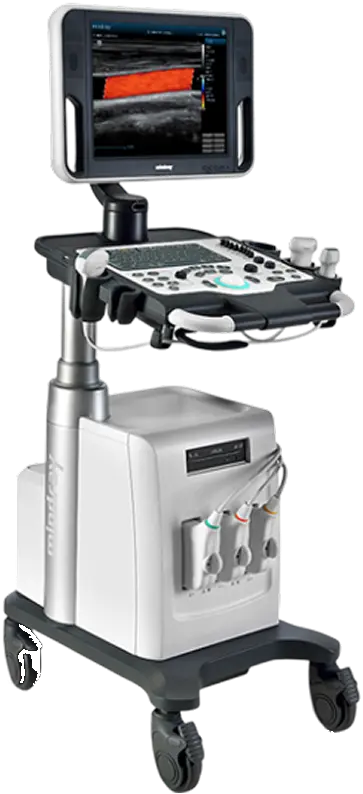
 Syria _ Damascus _ Al-Rawda
Frequently asked questions about Electromyography (EMG)
What is Electromyography (EMG)?
Electromyography (EMG) in Syria: " An electromyography (EMG) test is used to evaluate the health of the motor neurons with the muscles that are controlled by them. Every move we make, whether it’s simple or complicated, requires combined work between specific nerve cells and the muscles, and this move is done by sending electrical signals from these cells to the muscle. An EMG test detects these signals in order to diagnose any issue, such as...
How do I prepare for Electromyography (EMG)?
" You must bathe before the test and wear loose-fitting clothes. You mustn’t put any topical products on the skin. You must tell your doctor about any medication you take and if you have an electrical medical device like a pacemaker . "
What are the aftercare instructions for Electromyography (EMG)?
" The results of the EMG test will be ready after one or two days. You should call your doctors if any symptom or problem manifests, like nonstop bleeding, severe pain, and fever. "
Which specialty is Electromyography (EMG) related to?
Electromyography (EMG) is related to: Neurology.
Where can I get Electromyography (EMG) in Syria?
You can get Electromyography (EMG) at clinics and hospitals in Syria. To find specialists in Neurology, see suggested doctors on this page or Click here
What are the possible complications of Electromyography (EMG)?
" An EMG test is generally safe, but some people, especially those who take blood thinners, might bleed after removing the needles. The patient might have sore or tender muscles for a few days after the test. "


DC-30
Diagnostic Ultrasound system
Syria _ Damascus _ Al-Rawda