
 Gynecological Diseases and SurgeryObstetrics and gynecology
C-Section (Cesarean Section)


Procedure preparations
- In a c-section, the baby is delivered through a surgical incision in the abdomen and uterus.
- During the procedure, anesthesia is applied to the pregnant woman through one of two methods: either regional anesthesia (spinal or epidural block) through a needle in the lower back, and the woman stays awake and aware, and it’s the most common method, or general anesthesia.
- The obstetrician makes an incision in the abdomen and, after that, in the uterus to remove the baby and cut the umbilical cord, in addition to removing the placenta.
- Usually, a c-section takes around 30-40 minutes, but in emergency cases like when there are complications during the c-section or when the pregnant woman is delivering vaginally and a problem occurs leading her to move into a c-section, the surgery takes less than that.
- The patient can be discharged on the same day, or she might have to stay in the hospital for one or two days, depending on the case.
Procedure preparations
- In a planned c-section, the pregnant woman is recommended to shower before going to the hospital.
- The patient mustn’t have any food for 6 hours before the procedure, and she must also stop taking blood-thinner medications (anticoagulants) if she was already taking them before the procedure, as the doctor recommends.
- The doctor might ask for some blood tests.
Procedure complications
- Delayed return of bowel function.
- Infections.
- Bleeding.
- Blood clots.
- Damage in the bowel or bladder.
- Weakened uterine wall due to the incision.
- Placental problems in later pregnancies.
- Risks from the anesthesia.
- Chronic pelvic pain.
- Breathing problems in the baby.
- Recovery from c-sections is more difficult than vaginal delivery.
Procedure instructions
- After the surgery, the mother can start breastfeeding immediately.
- After the anesthesia wears off, the mother can start taking painkillers and start moving a little to restore the normal bowel movement.
- The patient must relax completely for several days.
- A full recovery might take 4-6 weeks.
- The incision must be cleaned with a sterilizer constantly and try not to squeeze yourself forcefully when coughing and sneezing.
- The patient must contact the doctor immediately if a symptom or a problem occurs, such as heavy bleeding, a problem in the incision, extreme pain, or fever.


DC-30
Diagnostic Ultrasound system
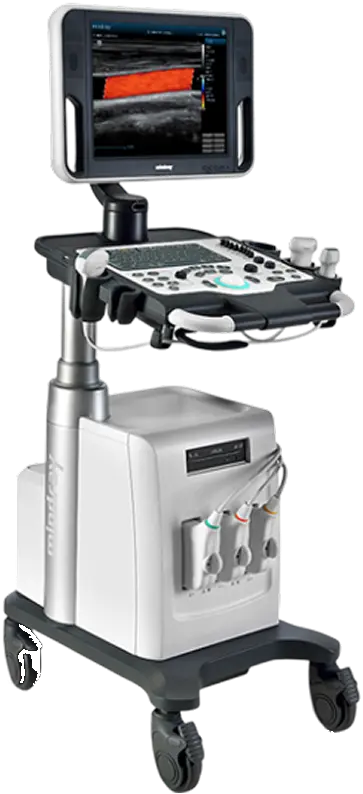
 Syria _ Damascus _ Al-Rawda
Frequently asked questions about C-Section (Cesarean Section)
What is C-Section (Cesarean Section)?
C-Section (Cesarean Section) in Syria: " In a c-section, the baby is delivered through a surgical incision in the abdomen and uterus. During the procedure, anesthesia is applied to the pregnant woman through one of two methods: either regional anesthesia (spinal or epidural block) through a needle in the lower back, and the woman stays awake and aware, and it’s the most common method, or general anesthesia. The obstetrician makes an incision in the...
How do I prepare for C-Section (Cesarean Section)?
" In a planned c-section, the pregnant woman is recommended to shower before going to the hospital. The patient mustn’t have any food for 6 hours before the procedure, and she must also stop taking blood-thinner medications (anticoagulants) if she was already taking them before the procedure, as the doctor recommends. The doctor might ask for some blood tests. "
What are the aftercare instructions for C-Section (Cesarean Section)?
" After the surgery, the mother can start breastfeeding immediately. After the anesthesia wears off, the mother can start taking painkillers and start moving a little to restore the normal bowel movement. The patient must relax completely for several days. A full recovery might take 4-6 weeks. The incision must be cleaned with a sterilizer constantly and try not to squeeze yourself forcefully when coughing and...
Which specialty is C-Section (Cesarean Section) related to?
C-Section (Cesarean Section) is related to: Gynecological Diseases and Surgery and Obstetrics and gynecology.
Where can I get C-Section (Cesarean Section) in Syria?
You can get C-Section (Cesarean Section) at clinics and hospitals in Syria. To find specialists in Gynecological Diseases and Surgery, see suggested doctors on this page or Click here
What are the possible complications of C-Section (Cesarean Section)?
" Delayed return of bowel function. Infections. Bleeding. Blood clots. Damage in the bowel or bladder. Weakened uterine wall due to the incision. Placental problems in later pregnancies. Risks from the anesthesia. Chronic pelvic pain. Breathing problems in the baby. Recovery from c-sections is more difficult than vaginal delivery. "


DC-30
Diagnostic Ultrasound system
Syria _ Damascus _ Al-Rawda