
 Gynecological Diseases and SurgeryGeneral Surgery
Myomectomy


Procedure preparations
- Uterine fibroids are benign growths in the uterus that are made up of connective tissues and muscle cells, and there isn’t a clear reason for them. There might be one or multiple ones, and they differ in size. These fibroids cause numerous symptoms, such as heavy bleeding during periods, longer and more frequent menstrual bleedings, pain, a growing stomach area, urination problems, and constipation.
- Uterine fibroids don’t affect pregnancy most often, but when there is an impact or when the symptoms worsen, this condition must be managed. In cases where medications and other treatments don’t work, uterine fibroids are removed.
- Removing the fibroids could be done laparoscopically by making small incisions in the abdomen and inserting the camera and specific tools through them, or surgically by making an abdomen incision. Usually, the patient is put under general anesthesia.
- The procedure usually takes 2-3 hours depending on the procedure type, the size of the fibroids, and their number, and the patient might need to stay in the hospital for one or two days if the procedure was through an abdominal incision.
Procedure preparations
- The patient must avoid foods and drinks before the procedure, and she might need to stop taking some medications, if any, as the doctor recommends.
Procedure complications
- Bleeding.
- Infections.
- Blood clots.
- Injury to the nearby organs.
- Allergic reaction from the anesthesia.
- Possible problems in future pregnancies.
- Weakened uterine wall.
Procedure instructions
- After the anesthesia wears off, the woman can start taking painkillers and start moving a little to restore the normal bowel movement.
- The patient must relax completely for several days.
- A full recovery might take 4-6 weeks.
- The incision must be cleaned with a sterilizer constantly, and try not to squeeze yourself forcefully when coughing and sneezing.
- The patient must contact the doctor immediately if a symptom or a problem occurs, such as heavy bleeding, a problem in the incision, extreme pain, or fever.


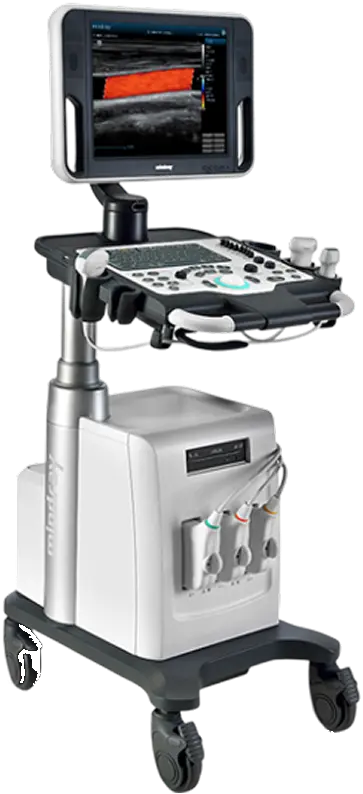
DC-30
Diagnostic Ultrasound system
 Syria _ Damascus _ Al-Rawda
Frequently asked questions about Myomectomy
What is Myomectomy?
Myomectomy in Syria: " Uterine fibroids are benign growths in the uterus that are made up of connective tissues and muscle cells, and there isn’t a clear reason for them. There might be one or multiple ones, and they differ in size. These fibroids cause numerous symptoms, such as heavy bleeding during periods, longer and more frequent menstrual bleedings, pain, a growing stomach area, urination problems, and constipation. Uterine...
How do I prepare for Myomectomy?
" The patient must avoid foods and drinks before the procedure, and she might need to stop taking some medications, if any, as the doctor recommends. "
What are the aftercare instructions for Myomectomy?
" After the anesthesia wears off, the woman can start taking painkillers and start moving a little to restore the normal bowel movement. The patient must relax completely for several days. A full recovery might take 4-6 weeks. The incision must be cleaned with a sterilizer constantly, and try not to squeeze yourself forcefully when coughing and sneezing. The patient must contact the doctor immediately if a symptom...
Which specialty is Myomectomy related to?
Myomectomy is related to: Gynecological Diseases and Surgery and General Surgery.
Where can I get Myomectomy in Syria?
You can get Myomectomy at clinics and hospitals in Syria. To find specialists in Gynecological Diseases and Surgery, see suggested doctors on this page or Click here
What are the possible complications of Myomectomy?
" Bleeding. Infections. Blood clots. Injury to the nearby organs. Allergic reaction from the anesthesia. Possible problems in future pregnancies. Weakened uterine wall. "


DC-30
Diagnostic Ultrasound system
Syria _ Damascus _ Al-Rawda