
 Gynecological Diseases and SurgeryGeneral Surgery
Polypectomy


Procedure preparations
- Polyps are growths inside an organ or a cavity in the body, and a polypectomy is done when they cause annoying symptoms, serious complications (such as heavy bleeding, a blockage in a blood vessel, a blockage in the colon or bile duct, uterine problems, and pressure or pain in the place), or when it’s suspected to be cancerous. Usually, polyps appear in the nose, colon, stomach, gallbladder, and uterus.
- Usually, polypectomy is done through endoscopy by using electrocautery, but some cases might need endoscopic surgery if the condition is more complex.
- The patient is under general anesthesia or sedation during polypectomy, depending on the case, and they can return home on the same day.
Procedure preparations
- Examining the patient’s health in general.
- The patient must stop taking blood thinners (anticoagulant medications), ibuprofen, and any other medications that the doctor mentions two weeks before the procedure.
- The patient mustn’t have anything for 12 hours before the procedure.
Procedure complications
- Bleeding.
- Infections.
- A rupture or puncture in the area.
- Rarely, transmural burn syndrome might occur because of the electrocautery, and this occurs when the underlying tissue is burned after removing the polyp, and this leads to pain, fever, and increased white blood cells.
Procedure instructions
- A mild bleeding might be seen after colon or uterine polypectomy, and this is normal.
- You must stick to the medications prescribed by the doctor and the regular visits.
- Immediately contact your surgeon when any sudden, odd problem or symptoms emerge.
- Full recovery usually takes a few days only.


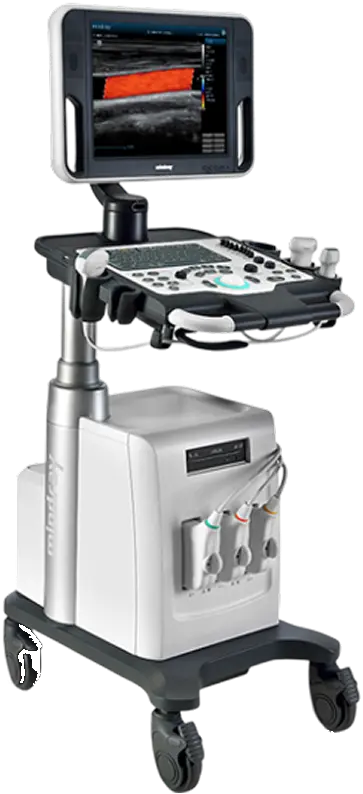
DC-30
Diagnostic Ultrasound system
 Syria _ Damascus _ Al-Rawda
Frequently asked questions about Polypectomy
What is Polypectomy?
Polypectomy in Syria: " Polyps are growths inside an organ or a cavity in the body, and a polypectomy is done when they cause annoying symptoms, serious complications (such as heavy bleeding, a blockage in a blood vessel, a blockage in the colon or bile duct, uterine problems, and pressure or pain in the place), or when it’s suspected to be cancerous. Usually, polyps appear in the nose, colon, stomach, gallbladder, and uterus. Usually,...
How do I prepare for Polypectomy?
" Examining the patient’s health in general. The patient must stop taking blood thinners (anticoagulant medications), ibuprofen, and any other medications that the doctor mentions two weeks before the procedure. The patient mustn’t have anything for 12 hours before the procedure. "
What are the aftercare instructions for Polypectomy?
" A mild bleeding might be seen after colon or uterine polypectomy, and this is normal. You must stick to the medications prescribed by the doctor and the regular visits. Immediately contact your surgeon when any sudden, odd problem or symptoms emerge. Full recovery usually takes a few days only. "
Which specialty is Polypectomy related to?
Polypectomy is related to: Gynecological Diseases and Surgery and General Surgery.
Where can I get Polypectomy in Syria?
You can get Polypectomy at clinics and hospitals in Syria. To find specialists in Gynecological Diseases and Surgery, see suggested doctors on this page or Click here
What are the possible complications of Polypectomy?
" Bleeding. Infections. A rupture or puncture in the area. Rarely, transmural burn syndrome might occur because of the electrocautery, and this occurs when the underlying tissue is burned after removing the polyp, and this leads to pain, fever, and increased white blood cells. "


DC-30
Diagnostic Ultrasound system
Syria _ Damascus _ Al-Rawda