
 Plastic reconstructive and aesthetic surgery
Facelift


Procedure preparations
- Face lifting is a cosmetic procedure that aims to remove wrinkles and sagging skin in the face and neck that result from aging. However, it’s critical to know that facelift procedures don’t change the appearance of the face or prevent the aging process.
- There are several types of surgical and nonsurgical facelifts, but surgical facelifts are the most effective.
- The surgery starts with general anesthesia, and then the surgeon makes incisions in the face and neck. The place and number of these incisions depend on the type of lifting procedure that the patient wants, in addition to the lifting area, whereas the lifting might be complete, partial, or neck only.
- After that, the surgeon removes or repositions the excess skin, skin fats, and skin muscles, depending on the lifting type.
- In the end, the surgeon closes the incisions, and the stitches might be dissolved or need removing.
- The facelift procedure takes 3-6 hours, depending on the lifting type, and the patient can go home the same day after they become stable.
Procedure preparations
- Physical exam.
- Blood tests.
- Stop smoking.
- The doctor might tell you to take some medications.
- You must stop taking blood-thinners (anticoagulants) and some foods and drinks as the doctor recommends.
- You might apply some products to the skin as the doctor recommends.
- You must stop eating and drinking before the procedure, as the doctor recommends.
Procedure complications
- In most cases, these side effects occur after the surgery: pain, swelling, bruising, and numbness.
- Infections.
- Anesthesia complications.
- Wound healing problems.
- Skin color irregularities.
- Hematoma (blood collection in the surgical area).
- Scarring.
- Nerve damage.
- Temporary or permanent hair loss in the incisions that are near the hair lines.
- In some rare cases, a facelift procedure could affect the blood supply to the skin, leading to its loss.
Procedure instructions
- After surgery, the surgeon puts small tubes in the incisions for drainage, which might last for two or three days.
- You can take painkillers when needed.
- The head must stay elevated for a few days.
- You can apply cool compresses to the face to reduce the pain and swelling.
- Contact your surgeon if any weird symptoms or problems manifest.
- Swelling needs 2-3 weeks to heal, and full recovery needs 2-3 months.


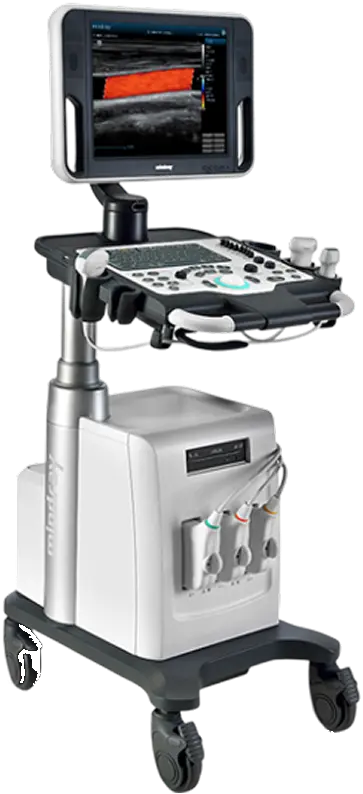
DC-30
Diagnostic Ultrasound system
 Syria _ Damascus _ Al-Rawda
Frequently asked questions about Facelift
What is Facelift?
Facelift in Syria: " Face lifting is a cosmetic procedure that aims to remove wrinkles and sagging skin in the face and neck that result from aging. However, it’s critical to know that facelift procedures don’t change the appearance of the face or prevent the aging process. There are several types of surgical and nonsurgical facelifts, but surgical facelifts are the most effective. The surgery starts with general anesthesia, and then...
How do I prepare for Facelift?
" Physical exam. Blood tests. Stop smoking. The doctor might tell you to take some medications. You must stop taking blood-thinners (anticoagulants) and some foods and drinks as the doctor recommends. You might apply some products to the skin as the doctor recommends. You must stop eating and drinking before the procedure, as the doctor recommends. "
What are the aftercare instructions for Facelift?
" After surgery, the surgeon puts small tubes in the incisions for drainage, which might last for two or three days. You can take painkillers when needed. The head must stay elevated for a few days. You can apply cool compresses to the face to reduce the pain and swelling. Contact your surgeon if any weird symptoms or problems manifest. Swelling needs 2-3 weeks to heal, and full recovery needs 2-3 months. "
Which specialty is Facelift related to?
Facelift is related to: Plastic reconstructive and aesthetic surgery.
Where can I get Facelift in Syria?
You can get Facelift at clinics and hospitals in Syria. To find specialists in Plastic reconstructive and aesthetic surgery, see suggested doctors on this page or Click here
What are the possible complications of Facelift?
" In most cases, these side effects occur after the surgery: pain, swelling, bruising, and numbness. Infections. Anesthesia complications. Wound healing problems. Skin color irregularities. Hematoma (blood collection in the surgical area). Scarring. Nerve damage. Temporary or permanent hair loss in the incisions that are near the hair lines. In some rare cases, a facelift procedure could affect the blood supply to...
 Botox Injections314Plastic reconstructive and aesthetic surgery2024-09-24
 Reconstructive Surgery88Plastic reconstructive and aesthetic surgery2026-05-07
 Breast Reconstruction Surgery80Plastic reconstructive and aesthetic surgery2025-08-21
 Male Breast Reduction Surgery143Plastic reconstructive and aesthetic surgery2024-09-24
 Brow Lift And Forehead Lift92Plastic reconstructive and aesthetic surgery2024-09-24
DC-30
Diagnostic Ultrasound system
Syria _ Damascus _ Al-Rawda