
 General SurgeryGastroenterology

Procedure preparations
- A hernia occurs when a tissue inside the body (most likely fats or intestines) pushes through a weak spot in the muscle wall in front of it, which leads to a hole or hernia in it. Hernias often occur in the abdomen or groin area.
- Most of the hernia cases don’t need an immediate surgery in the beginning, but eventually they require surgery because they worsen over time. Hernias cause extreme pain and discomfort, and in some cases, they might lead to serious complications and might also affect the nearby organs.
- In hernia surgery, the patient is usually under general anesthesia, and hernia repair can be done through an abdominal incision or laparoscopically by making several small incisions and inserting a camera and the required tools through them.
- Hernia surgery takes from half an hour to five hours depending on the type and size of the hernia, and usually the patient can return home on the same day unless they’re required to stay in the hospital.
Procedure preparations
- The doctor makes a thorough examination to make sure that the patient is healthy.
- The patient must stop taking blood thinners (anticoagulant medications) and any other medications or herbs that the surgeon mentions two weeks before the procedure.
- The patient mustn’t eat anything for 8-12 hours before the procedure.
Procedure complications
Some side effects could happen after hernia surgery, such as:
- Infections at the incision site.
- Collection of fluid (seromas).
- Collection of blood (hematomas).
- Damage to a nearby organ.
- Urination problems.
Also, some complications could occur after recovery, such as:
- Erosion or breakdown of the implanted surgical mesh in the hernia place.
- Infections inside the tissue where the surgical mesh is.
- Hernia recurrence.
- Long-term pain.
- In men, pain in the testicles and the possibility of infertility.
- Bleeding.
- Blood clots.
Procedure instructions
- The patient must relax for 24 hours after the surgery.
- The patient can do mild physical activities, like walking, 24 hours after the surgery.
- The patient mustn’t do heavy physical activities or lift heavy things for 6 weeks after the surgery.
- It’s recommended to increase the consumption of vegetables and fruit to avoid constipation.
- Full recovery requires a few weeks, and it depends on the patient’s situation and the type of hernia surgery.


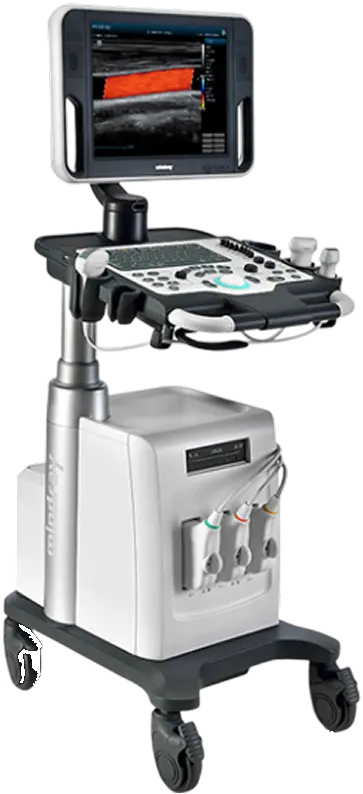
DC-30
Diagnostic Ultrasound system
 Syria _ Damascus _ Al-Rawda
Frequently asked questions about Hernia Surgery
What is Hernia Surgery?
Hernia Surgery in Syria: " A hernia occurs when a tissue inside the body (most likely fats or intestines) pushes through a weak spot in the muscle wall in front of it, which leads to a hole or hernia in it. Hernias often occur in the abdomen or groin area. Most of the hernia cases don’t need an immediate surgery in the beginning, but eventually they require surgery because they worsen over time. Hernias cause extreme pain and discomfort,...
How do I prepare for Hernia Surgery?
" The doctor makes a thorough examination to make sure that the patient is healthy. The patient must stop taking blood thinners (anticoagulant medications) and any other medications or herbs that the surgeon mentions two weeks before the procedure. The patient mustn’t eat anything for 8-12 hours before the procedure. "
What are the aftercare instructions for Hernia Surgery?
" The patient must relax for 24 hours after the surgery. The patient can do mild physical activities, like walking, 24 hours after the surgery. The patient mustn’t do heavy physical activities or lift heavy things for 6 weeks after the surgery. It’s recommended to increase the consumption of vegetables and fruit to avoid constipation. Full recovery requires a few weeks, and it depends on the patient’s situation and...
Which specialty is Hernia Surgery related to?
Hernia Surgery is related to: General Surgery and Gastroenterology.
Where can I get Hernia Surgery in Syria?
You can get Hernia Surgery at clinics and hospitals in Syria. To find specialists in General Surgery, see suggested doctors on this page or Click here
What are the possible complications of Hernia Surgery?
" Some side effects could happen after hernia surgery, such as: Infections at the incision site. Collection of fluid (seromas). Collection of blood (hematomas). Damage to a nearby organ. Urination problems. Also, some complications could occur after recovery, such as: Erosion or breakdown of the implanted surgical mesh in the hernia place. Infections inside the tissue where the surgical mesh is. Hernia recurrence....
DC-30
Diagnostic Ultrasound system
Syria _ Damascus _ Al-Rawda