
 General SurgeryGastroenterology
Intragastric Balloon


Procedure preparations
- An intragastric balloon procedure is a nonsurgical weight loss procedure in which a balloon is inserted into the stomach to reduce its size, and therefore, reducing the food amount that the person eats and speeding up the feeling of being full, and that leads to losing weight.
- The intragastric balloon procedure is done endoscopically by inserting the endoscope in the mouth through the esophagus to the stomach. After that, the balloon is inserted and filled with a saline solution to inflate it, then it’s closed.
- The patient is given specific medications to relax in addition to numbing the throat. The procedure takes about half an hour, and the patient returns home on the same day.
Procedure preparations
- Examining the patient’s health in general.
- For a person to be eligible for an intragastric balloon, the body mass index (BMI) must be more than 30, the person mustn’t have undergone previous gastrointestinal surgeries, and the person mustn’t have a peptic ulcer, a hiatal hernia, a blood clotting disorder, or a liver disease.
- The patient must follow a specific fluid diet for a few days before the procedure, as the doctor recommends.
- The patient is often given medications to block the gastric days a few days before the procedure.
- The patient mustn’t have anything for 12 hours before the procedure.
Procedure complications
- Persistent gastrointestinal symptoms that might require removing the balloon.
- The balloon might deflate or rupture, and in some cases, when it ruptures and goes through the intestines, it might cause an obstruction.
- Hyperinflation, which might cause persistent gastrointestinal symptoms.
- Acute pancreatitis.
- Gastrointestinal ulcers.
- In rare cases, a gastrointestinal perforation.
Procedure instructions
- Some side effects might happen in the first few days after an intragastric balloon, and they’re temporary, such as discomfort, pain, constipation, indigestion, acid reflux, and a sore throat.
- You must follow a special diet as the doctor recommends. The diet starts as a fluid diet for about a week, then a soft food diet for about two weeks.
- You must follow a healthy lifestyle with the balloon to ensure getting results.
- You must stick to the medications prescribed by the doctor and their instructions.
- You must contact your doctor immediately if any problem or weird symptom happens.
- Usually, the person loses about 10-40% of their total weight within six months after the procedure if they also follow a healthy lifestyle.
- You must know that the results of an intragastric balloon procedure aren’t permanent because you can regain weight if you don’t follow a healthy lifestyle.
- The balloon stays in the stomach for six months. After that, it could be removed or replaced.


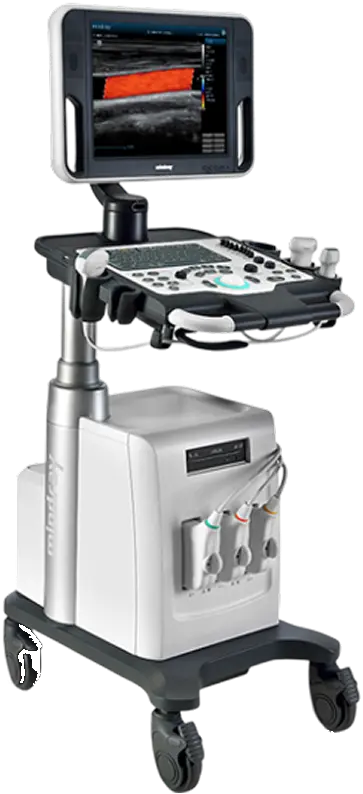
DC-30
Diagnostic Ultrasound system
 Syria _ Damascus _ Al-Rawda
Frequently asked questions about Intragastric Balloon
What is Intragastric Balloon?
Intragastric Balloon in Syria: " An intragastric balloon procedure is a nonsurgical weight loss procedure in which a balloon is inserted into the stomach to reduce its size, and therefore, reducing the food amount that the person eats and speeding up the feeling of being full, and that leads to losing weight. The intragastric balloon procedure is done endoscopically by inserting the endoscope in the mouth through the esophagus to the stomach....
How do I prepare for Intragastric Balloon?
" Examining the patient’s health in general. For a person to be eligible for an intragastric balloon, the body mass index (BMI) must be more than 30, the person mustn’t have undergone previous gastrointestinal surgeries, and the person mustn’t have a peptic ulcer, a hiatal hernia, a blood clotting disorder, or a liver disease. The patient must follow a specific fluid diet for a few days before the procedure, as the...
What are the aftercare instructions for Intragastric Balloon?
" Some side effects might happen in the first few days after an intragastric balloon, and they’re temporary, such as discomfort, pain, constipation, indigestion, acid reflux, and a sore throat. You must follow a special diet as the doctor recommends. The diet starts as a fluid diet for about a week, then a soft food diet for about two weeks. You must follow a healthy lifestyle with the balloon to ensure getting...
Which specialty is Intragastric Balloon related to?
Intragastric Balloon is related to: General Surgery and Gastroenterology.
Where can I get Intragastric Balloon in Syria?
You can get Intragastric Balloon at clinics and hospitals in Syria. To find specialists in General Surgery, see suggested doctors on this page or Click here
What are the possible complications of Intragastric Balloon?
" Persistent gastrointestinal symptoms that might require removing the balloon. The balloon might deflate or rupture, and in some cases, when it ruptures and goes through the intestines, it might cause an obstruction. Hyperinflation, which might cause persistent gastrointestinal symptoms. Acute pancreatitis. Gastrointestinal ulcers. In rare cases, a gastrointestinal perforation. "


DC-30
Diagnostic Ultrasound system
Syria _ Damascus _ Al-Rawda