logoDoctors
  • Home
  • Advanced Search
  • Blogs
  • News
  • Pharmaceutical Library
  • About Us
  • Contact Us
  • Join Us
Terms of Use & PaymentPatient Privacy PolicyDoctors Privacy Policy
Login
  1. Home
  2. Blogs
  3. Endoscopy And Endoscopic Surgery
procedure
Cosmetic and reconstructive surgery
cardiac surgery
Gynecological Diseases and Surgery
Neurosurgery
General Surgery
Urinary Surgery
Orthopaedic surgery of the spine
Cardiothoracic surgery
Vascular surgery
Ophthalmology and Eye Surgery
Pediatric surgery
Pediatric surgery
Plastic reconstructive and aesthetic surgery
Hand surgery
Ophthalmic Plastic & Reconstructive Surgery
Thoracic surgery
Otolaryngology

Endoscopy And Endoscopic Surgery

241
2024-11-12
241
0

Procedure preparations

  • Endoscopy is a procedure that’s used to closely examine the internal structure of the body by inserting a tube that contains a light and a special camera to show the desired area on the screen. The endoscopic tube is inserted through one of the body openings (such as the nose, mouth, vagina, and anus) or through a small incision in the skin, depending on the desired area or organ.
  • Endoscopy is used to see a specific organ or area inside the body in order to diagnose a condition or perform surgery.
  • Endoscopic surgery is called minimally invasive surgery, which means that it doesn’t cause a large surgical incision as in the traditional surgeries. Endoscopic surgery is done by making several small incisions in the skin to insert the camera tube and the surgery tools through them.
  • Endoscopic surgeries have become highly recommended, and they’re used in a lot of surgeries when possible. Endoscopic surgeries are precise, cause fewer anesthetic complications, the patient can often return home on the same day after performing them, and full recovery after undergoing them is faster.

Procedure preparations

  • Preparations depend on the type of the endoscopy or the endoscopic surgery, and generally, the doctor orders some tests to check on the patient’s health in general.

Procedure complications

  • In endoscopies, there aren’t usually any complications, yet the patient might feel discomfort and be groggy due to the sedation, which lasts for one day only in most cases.
  • In endoscopic surgeries, the complications differ depending on the surgery type.

Procedure instructions

  • In endoscopy, it’s preferable that you rest for the day of the endoscopy and you can return to your normal life the next day.
  • In endoscopic surgeries, you must follow the instructions of the doctor to recover. In general, you can return to work within a few days in many cases, but returning to your normal life takes more than that, depending on the surgery type.
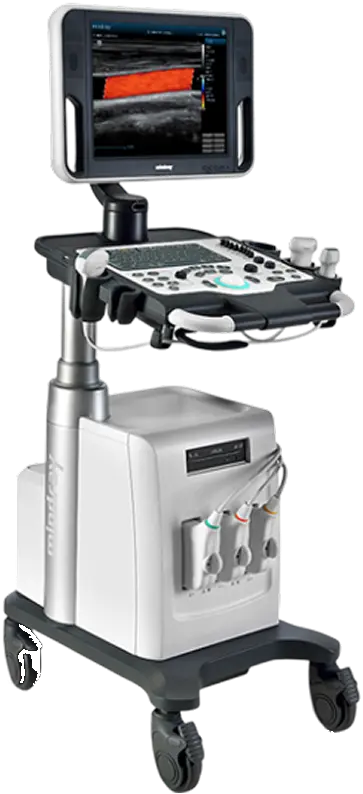
DataMedmindray

DC-30

Diagnostic Ultrasound system

Capable / Versatile / Slim

Diagnostic Ultrasound system
Syria _ Damascus _ Al-Rawda
Get a price quote

Frequently asked questions about Endoscopy And Endoscopic Surgery

What is Endoscopy And Endoscopic Surgery?

Endoscopy And Endoscopic Surgery in Syria: " Endoscopy is a procedure that’s used to closely examine the internal structure of the body by inserting a tube that contains a light and a special camera to show the desired area on the screen. The endoscopic tube is inserted through one of the body openings (such as the nose, mouth, vagina, and anus) or through a small incision in the skin, depending on the desired area or organ. Endoscopy is used to see a...

How do I prepare for Endoscopy And Endoscopic Surgery?

" Preparations depend on the type of the endoscopy or the endoscopic surgery, and generally, the doctor orders some tests to check on the patient’s health in general. "

What are the aftercare instructions for Endoscopy And Endoscopic Surgery?

" In endoscopy, it’s preferable that you rest for the day of the endoscopy and you can return to your normal life the next day. In endoscopic surgeries, you must follow the instructions of the doctor to recover. In general, you can return to work within a few days in many cases, but returning to your normal life takes more than that, depending on the surgery type. "

Which specialty is Endoscopy And Endoscopic Surgery related to?

Endoscopy And Endoscopic Surgery is related to: Cosmetic and reconstructive surgery, cardiac surgery, Gynecological Diseases and Surgery and Neurosurgery.

Where can I get Endoscopy And Endoscopic Surgery in Syria?

You can get Endoscopy And Endoscopic Surgery at clinics and hospitals in Syria. To find specialists in Cosmetic and reconstructive surgery, see suggested doctors on this page or Click here

What are the possible complications of Endoscopy And Endoscopic Surgery?

" In endoscopies, there aren’t usually any complications, yet the patient might feel discomfort and be groggy due to the sedation, which lasts for one day only in most cases. In endoscopic surgeries, the complications differ depending on the surgery type. "

Blogs and procedures in the same category:
Liposuction
Liposuction is a type of body contouring, and it aims to remove fat from specific parts of the body, such as the abdomen, buttocks, thighs, arms, back, chest, neck, and face. Not all people can undergo liposuction, whereas there are some conditions for a person to be considered eligible, and they include: the person must be an adult with an overweight no more than 30% above the ideal weight (the BMI shouldn’t be above 25), the skin must be elastic with a good muscle tone, the overall health must be good, the fats didn’t go with a healthy diet and exercising, and the person mustn’t be a smoker. There are several types of liposuction, including tumescent liposuction or suction-assisted liposuction, ultrasound-assisted liposuction, laser-assisted liposuction, and other modern methods. In suction-assisted liposuction, the anesthesia might be general or local, depending on the case, and then the doctor makes incisions to insert an instrument called a cannula to break up the fat, followed by a suction pipe to remove it. The liposuction procedure could take several hours, depending on the amount of fat that is being removed. The patient can go home on the same day, but in some cases, the patient might stay at the hospital for a day or more.

147
General Surgery
2024-09-24
Breast Augmentation
Breast augmentation procedures aim to increase the size of the breasts for cosmetic reasons in most cases and to reconstruct the breasts in some health conditions. Breast implants include silicone implants, which are the most common and have several types, and sterile salt-saline implants. Also, breast augmentation can be done by fat transfer, and this fat is taken from the body itself by using liposuction to take fat from a part of the body and implant it in the breasts. In the surgery, the patient is put under general anesthesia, then the surgeon makes the incisions to transfer the implants, after that, they close the incisions. The breast augmentation procedure might take 1-2 hours, depending on the case, and the patient can return home on the same day.

156
General Surgery
2024-09-24
Polypectomy
Polyps are growths inside an organ or a cavity in the body, and a polypectomy is done when they cause annoying symptoms, serious complications (such as heavy bleeding, a blockage in a blood vessel, a blockage in the colon or bile duct, uterine problems, and pressure or pain in the place), or when it’s suspected to be cancerous. Usually, polyps appear in the nose, colon, stomach, gallbladder, and uterus. Usually, polypectomy is done through endoscopy by using electrocautery, but some cases might need endoscopic surgery if the condition is more complex. The patient is under general anesthesia or sedation during polypectomy, depending on the case, and they can return home on the same day.

194
General Surgery
2024-11-18
Myomectomy
Uterine fibroids are benign growths in the uterus that are made up of connective tissues and muscle cells, and there isn’t a clear reason for them. There might be one or multiple ones, and they differ in size. These fibroids cause numerous symptoms, such as heavy bleeding during periods, longer and more frequent menstrual bleedings, pain, a growing stomach area, urination problems, and constipation. Uterine fibroids don’t affect pregnancy most often, but when there is an impact or when the symptoms worsen, this condition must be managed. In cases where medications and other treatments don’t work, uterine fibroids are removed. Removing the fibroids could be done laparoscopically by making small incisions in the abdomen and inserting the camera and specific tools through them, or surgically by making an abdomen incision. Usually, the patient is put under general anesthesia. The procedure usually takes 2-3 hours depending on the procedure type, the size of the fibroids, and their number, and the patient might need to stay in the hospital for one or two days if the procedure was through an abdominal incision.

164
General Surgery
2024-09-24
DataMedmindray

DC-30

Diagnostic Ultrasound system

Capable / Versatile / Slim

Diagnostic Ultrasound system
Syria _ Damascus _ Al-Rawda
Get a price quote
Doctors logo
Doctors
We connect patients with specialists to make healthcare accessible. Our team of medical and tech experts is here to support your health journey

Technical Support
Call support
info@doctors.sy
Syria, Damascus

Web
Home
Advanced Search
Blogs
About us

Our ApplecationConnect to top medical services in Syria. Our app helps you book appointments, access health info, and find nearby hospitals and pharmacies
Direct DownloadGET IT ONGoogle Play

Terms of Use & PaymentPatient Privacy PolicyDoctors Privacy Policy
© 2026 Doctors.sy All rights reserved.