
 Cardiothoracic surgeryCardiology
Angioplasty And Stents


Procedure preparations
- In angioplasty and stenting, clogged arteries are opened and stents are inserted to keep them open. The angioplasty and stent insertion procedure is done when arteries are blocked due to atherosclerosis (the buildup of substances like fats and cholesterol inside and on the arteries), and that’s in case other treatments didn’t work, heart attack, and angina.
- The angioplasty and stenting procedure might be scheduled previously or might be done as an emergent procedure in heart attacks.
- The patient can stay awake with sedation in the procedure of angioplasty and stent placement, or they can be under general anesthesia, depending on the case. The place where the catheter is inserted is numbed, then the catheter is inserted into the artery to open it by inflating a special balloon inside it. After that, a stent is placed to keep the artery open and prevent its clogging.
- Angioplasty and stent placement surgery might take several hours, depending on the case and the number of the arteries, and the patient’s stay in the hospital after the procedure depends on their condition.
Procedure preparations
In case the angioplasty and stenting procedure was previously scheduled:
- Examining the patient’s health in general.
- The patient must stop taking blood thinners (anticoagulant medications), ibuprofen, and any other medications that the doctor mentions two weeks before the procedure.
- The patient mustn’t have anything for 12 hours before the procedure.
Procedure complications
- Blood clots.
- Infections.
- Bleeding.
- Re-narrowing of the artery, and this often occurs in case a stent wasn’t inserted.
- In rare cases, the following complications might occur: heart attack, irregular heartbeats, stroke, damage in the artery, and kidney damage.
Procedure instructions
- You must stick to the medications prescribed by the doctor and the regular visits.
- Immediately contact your surgeon when any sudden, odd problem or symptoms emerge.
- You mustn’t do strenuous physical activity or heavy lifting for at least 24 hours after the procedure.
- You must stop smoking, follow a healthy diet, and exercise regularly.


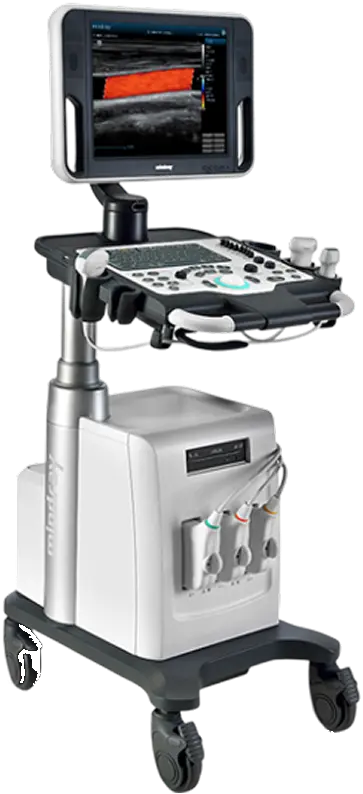
DC-30
Diagnostic Ultrasound system
 Syria _ Damascus _ Al-Rawda
Frequently asked questions about Angioplasty And Stents
What is Angioplasty And Stents?
Angioplasty And Stents in Syria: " In angioplasty and stenting, clogged arteries are opened and stents are inserted to keep them open. The angioplasty and stent insertion procedure is done when arteries are blocked due to atherosclerosis (the buildup of substances like fats and cholesterol inside and on the arteries), and that’s in case other treatments didn’t work, heart attack, and angina. The angioplasty and stenting procedure might be scheduled...
How do I prepare for Angioplasty And Stents?
" In case the angioplasty and stenting procedure was previously scheduled: Examining the patient’s health in general. The patient must stop taking blood thinners (anticoagulant medications), ibuprofen, and any other medications that the doctor mentions two weeks before the procedure. The patient mustn’t have anything for 12 hours before the procedure. "
What are the aftercare instructions for Angioplasty And Stents?
" You must stick to the medications prescribed by the doctor and the regular visits. Immediately contact your surgeon when any sudden, odd problem or symptoms emerge. You mustn’t do strenuous physical activity or heavy lifting for at least 24 hours after the procedure. You must stop smoking, follow a healthy diet, and exercise regularly. "
Which specialty is Angioplasty And Stents related to?
Angioplasty And Stents is related to: Cardiothoracic surgery and Cardiology.
Where can I get Angioplasty And Stents in Syria?
You can get Angioplasty And Stents at clinics and hospitals in Syria. To find specialists in Cardiothoracic surgery, see suggested doctors on this page or Click here
What are the possible complications of Angioplasty And Stents?
" Blood clots. Infections. Bleeding. Re-narrowing of the artery, and this often occurs in case a stent wasn’t inserted. In rare cases, the following complications might occur: heart attack , irregular heartbeats , stroke , damage in the artery, and kidney damage. "


DC-30
Diagnostic Ultrasound system
Syria _ Damascus _ Al-Rawda