
 Pediatric hematology and oncologyPediatric oncologyMedical oncologyRadiation oncologyGynecologic oncologyGeneral surgical oncology

Procedure preparations
- In cancer surgery, the cancerous tumor is removed from the organ or place that’s in it with a part of the tissue from this organ or place, and sometimes the entire organ is removed with this tumor, depending on the case. Cancer removal surgery is done in cases where the malignant tumor is in one place and hasn’t metastasized to other places in the body, except for some cases where it’s metastasized and yet it’s removed. In some cases, the lymph nodes that are close to the cancer site are also removed to make sure that they don’t contain cancerous cells.
- In some cases, the cancerous tumor can’t be removed completely because it’s in a place where it’s hard to remove it without causing harm to another organ or place; then, the surgeon removes as much as possible of the tumor.
- Cancer surgery is done under general anesthesia, and the patient must stay in the hospital for a period of time, depending on the case.
Procedure preparations
- Examining the patient’s health in general.
- The patient must stop taking blood thinners (anticoagulant medications), ibuprofen, and any other medications that the doctor mentions two weeks before the procedure.
- The patient must stop smoking for a period of time before the surgery.
- The patient mustn’t have anything for 12 hours before the procedure.
Procedure complications
- Anesthesia problems.
- Bleeding.
- Infections.
- Blood clots.
- Losing the entire organ in some cases.
- Damage in the organ or a nearby one.
Procedure instructions
- Some side effects might occur temporarily after the surgery, which differ depending on the condition.
- You must stick to the medications prescribed by the doctor and the regular visits.
- Immediately contact your surgeon when any sudden, odd problem or symptoms emerge.
- Full recovery time differs depending on the condition.


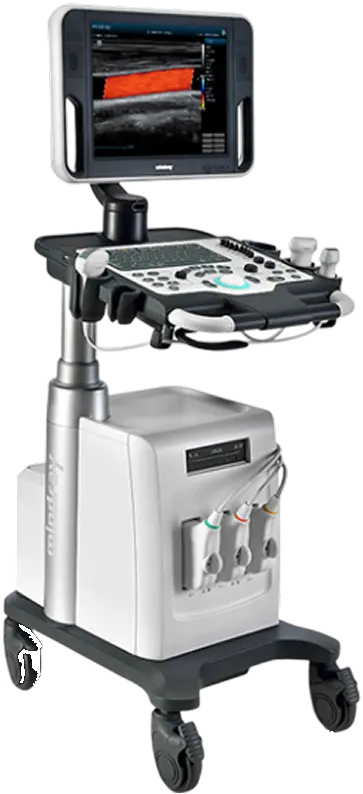
DC-30
Diagnostic Ultrasound system
 Syria _ Damascus _ Al-Rawda
Frequently asked questions about Tumor And Cancer Removal
What is Tumor And Cancer Removal?
Tumor And Cancer Removal in Syria: " In cancer surgery, the cancerous tumor is removed from the organ or place that’s in it with a part of the tissue from this organ or place, and sometimes the entire organ is removed with this tumor, depending on the case. Cancer removal surgery is done in cases where the malignant tumor is in one place and hasn’t metastasized to other places in the body, except for some cases where it’s metastasized and yet it’s...
How do I prepare for Tumor And Cancer Removal?
" Examining the patient’s health in general. The patient must stop taking blood thinners (anticoagulant medications), ibuprofen, and any other medications that the doctor mentions two weeks before the procedure. The patient must stop smoking for a period of time before the surgery. The patient mustn’t have anything for 12 hours before the procedure. "
What are the aftercare instructions for Tumor And Cancer Removal?
" Some side effects might occur temporarily after the surgery, which differ depending on the condition. You must stick to the medications prescribed by the doctor and the regular visits. Immediately contact your surgeon when any sudden, odd problem or symptoms emerge. Full recovery time differs depending on the condition. "
Which specialty is Tumor And Cancer Removal related to?
Tumor And Cancer Removal is related to: Pediatric hematology and oncology, Pediatric oncology, Medical oncology and Radiation oncology.
Where can I get Tumor And Cancer Removal in Syria?
You can get Tumor And Cancer Removal at clinics and hospitals in Syria. To find specialists in Pediatric hematology and oncology, see suggested doctors on this page or Click here
What are the possible complications of Tumor And Cancer Removal?
" Anesthesia problems. Bleeding. Infections. Blood clots. Losing the entire organ in some cases. Damage in the organ or a nearby one. "
DC-30
Diagnostic Ultrasound system
Syria _ Damascus _ Al-Rawda