
 Gynecological Diseases and SurgeryObstetrics and gynecologyReproductive endocrinology and infertilityGynecologic oncology

Procedure preparations
- The intrauterine device is a method of contraception. It’s a small, T-shaped device that’s made of flexible plastic, and it has two types:
- Copper IUD: The device has a thin copper wire that causes inflammation in the uterine lining in a way that prevents it from being appropriate for pregnancy. It could last for 12 years.
- Hormonal IUD: It releases small amounts of the hormone progestin, which makes the cervix lining thicker in a way that makes it hard for sperm to reach the eggs and makes the uterine lining thinner. It could also prevent ovulation in general. It could last for 8 years.
- Copper IUD starts working immediately after insertion, while the effect of the hormonal IUD depends on the time of its insertion regarding the monthly cycle of the woman.
- IUD can be used as an emergency contraceptive by being installed within 5 days after the unprotected intercourse.
- IUD insertion is very simple and done in the doctor’s office.
- It usually takes about 15 minutes for the procedure to be done, and the woman can go home immediately.
Procedure preparations
The doctor asks about the medical history of the woman and makes sure that she’s eligible for IUD insertion. The woman can take painkillers before the procedure.
Procedure complications
- The woman might feel pain and cramps in addition to mild bleeding after IUD insertion regardless of its type.
- Copper IUD might increase the bleeding during periods in addition to increasing pain and cramps, especially in the first few months.
- Hormonal IUD might cause irregular periods in addition to missing some of them sometimes, especially in the first few months.
- The IUD might slip out of its place, it also might cause perforation in the uterine wall, infections, and pregnancy, but these are rare cases.
Procedure instructions
- You must call the doctor when any problem or weird symptom emerges.


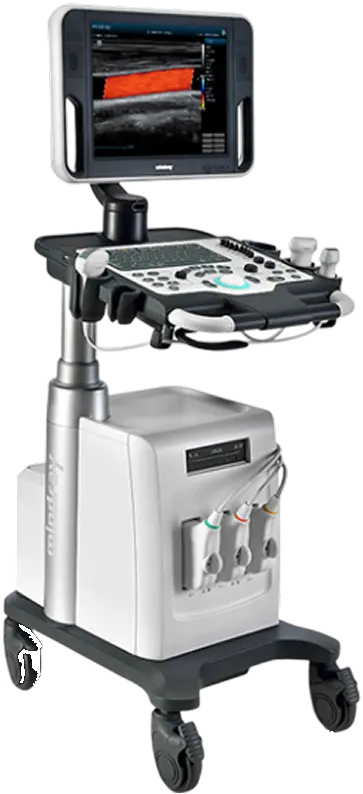
DC-30
Diagnostic Ultrasound system
 Syria _ Damascus _ Al-Rawda
Frequently asked questions about Intrauterine Device (IUD) Insertion
What is Intrauterine Device (IUD) Insertion?
Intrauterine Device (IUD) Insertion in Syria: " The intrauterine device is a method of contraception. It’s a small, T-shaped device that’s made of flexible plastic, and it has two types: Copper IUD: The device has a thin copper wire that causes inflammation in the uterine lining in a way that prevents it from being appropriate for pregnancy. It could last for 12 years. Hormonal IUD: It releases small amounts of the hormone progestin, which makes the cervix...
How do I prepare for Intrauterine Device (IUD) Insertion?
" The doctor asks about the medical history of the woman and makes sure that she’s eligible for IUD insertion. The woman can take painkillers before the procedure. "
What are the aftercare instructions for Intrauterine Device (IUD) Insertion?
" You must call the doctor when any problem or weird symptom emerges. "
Which specialty is Intrauterine Device (IUD) Insertion related to?
Intrauterine Device (IUD) Insertion is related to: Gynecological Diseases and Surgery, Obstetrics and gynecology, Reproductive endocrinology and infertility and Gynecologic oncology.
Where can I get Intrauterine Device (IUD) Insertion in Syria?
You can get Intrauterine Device (IUD) Insertion at clinics and hospitals in Syria. To find specialists in Gynecological Diseases and Surgery, see suggested doctors on this page or Click here
What are the possible complications of Intrauterine Device (IUD) Insertion?
" The woman might feel pain and cramps in addition to mild bleeding after IUD insertion regardless of its type. Copper IUD might increase the bleeding during periods in addition to increasing pain and cramps, especially in the first few months. Hormonal IUD might cause irregular periods in addition to missing some of them sometimes, especially in the first few months. The IUD might slip out of its place, it also...
DC-30
Diagnostic Ultrasound system
Syria _ Damascus _ Al-Rawda