
 Reproductive endocrinology and infertility
In Vitro Fertilization (IVF)


Procedure preparations
Usually, pregnancy occurs when the sperm meet with the egg in the uterus.
However, in some cases, pregnancy might not occur due to numerous reasons, which indicates using other methods for pregnancy, such as in vitro fertilization (IVF).
IVF consists of five steps:
- Ovarian stimulation: Normally, each month, a single egg is released in females, therefore, in this step, the ovaries are stimulated to release more than one egg in a short period of time by giving her specific hormonal drugs.
- Egg retrieval: After about 36 hours of stimulating the ovaries, the eggs are retrieved through a process called follicular aspiration by inserting a special needle through the vagina. This process could be done in the doctor’s office or the hospital, and the woman is given medicines to not feel any pain. In very rare cases, the eggs are retrieved by pelvic laparoscopy.
- Inseminations or fertilization: Eggs and sperm are mixed in a box called a petri dish for fertilization.
- Embryo culture: Each fertilized egg is divided to form an embryo, and these embryos are put in a specific place to be monitored for 2-5 days.
- Embryo transfer: The embryos are transferred to the uterus, and this process can be done in the doctor’s office or the hospital while the patient remains awake. Usually, only one embryo is transferred, and in some cases, more than one.
Procedure preparations
- Before starting an IVF procedure, the woman must do several tests that include ovarian reserve testing, uterine testing, and infectious disease screening. The man must also do tests that include semen analysis and infectious disease screening.
Procedure complications
- Stress and mental pressure.
- Some side effects from the estrogen hormone could manifest, such as secretions, cramps, and constipation.
- Problems associated with egg stimulation drugs: A condition called ovarian hyperstimulation syndrome might occur, which leads to the buildup of fluids in the abdomen and chest and causes abdominal pain, bloating, rapid weight gain, nausea, vomiting, difficulty urinating, and shortness of breath. These symptoms usually go away within a week and rarely lead to hospitalization.
- Problems in the egg retrieval process, such as bleeding, infections, damage to the bladder, other reproductive organs, or bowels, and anesthesia problems.
- Multiple pregnancies occur when more than one embryo is transferred into the uterus.
- Increased risk of pregnancy complications in general, such as miscarriage, ectopic pregnancy, gestational hypertension, and others.
- Problems with the baby, such as premature delivery, low-weight birth, and birth defects.
- A huge financial cost.
Procedure instructions
- The woman can go back to her normal daily routine directly after the procedure, but she should avoid hard physical activities.
- Hormonal medications might be prescribed to help stabilize the pregnancy.
- After 112 days, a pregnancy test is performed, and if the woman isn’t pregnant, the hormonal medications are stopped.


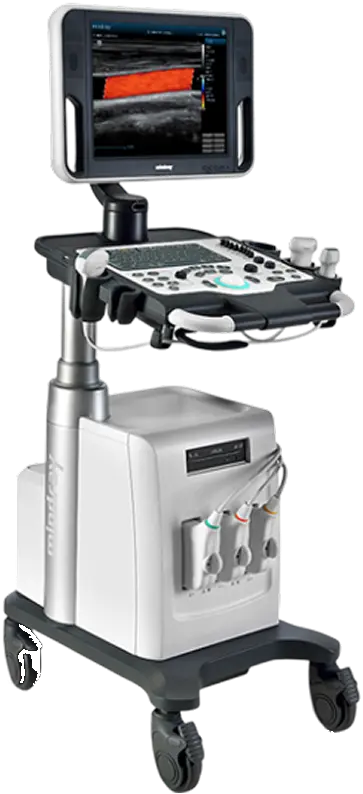
DC-30
Diagnostic Ultrasound system
 Syria _ Damascus _ Al-Rawda
Frequently asked questions about In Vitro Fertilization (IVF)
What is In Vitro Fertilization (IVF)?
In Vitro Fertilization (IVF) in Syria: " Usually, pregnancy occurs when the sperm meet with the egg in the uterus. However, in some cases, pregnancy might not occur due to numerous reasons, which indicates using other methods for pregnancy, such as in vitro fertilization (IVF). IVF consists of five steps: Ovarian stimulation: Normally, each month, a single egg is released in females, therefore, in this step, the ovaries are stimulated to release more...
How do I prepare for In Vitro Fertilization (IVF)?
" Before starting an IVF procedure, the woman must do several tests that include ovarian reserve testing, uterine testing, and infectious disease screening. The man must also do tests that include semen analysis and infectious disease screening. "
What are the aftercare instructions for In Vitro Fertilization (IVF)?
" The woman can go back to her normal daily routine directly after the procedure, but she should avoid hard physical activities. Hormonal medications might be prescribed to help stabilize the pregnancy. After 112 days, a pregnancy test is performed, and if the woman isn’t pregnant, the hormonal medications are stopped. "
Which specialty is In Vitro Fertilization (IVF) related to?
In Vitro Fertilization (IVF) is related to: Reproductive endocrinology and infertility.
Where can I get In Vitro Fertilization (IVF) in Syria?
You can get In Vitro Fertilization (IVF) at clinics and hospitals in Syria. To find specialists in Reproductive endocrinology and infertility, see suggested doctors on this page or Click here
What are the possible complications of In Vitro Fertilization (IVF)?
" Stress and mental pressure. Some side effects from the estrogen hormone could manifest, such as secretions, cramps, and constipation. Problems associated with egg stimulation drugs: A condition called ovarian hyperstimulation syndrome might occur, which leads to the buildup of fluids in the abdomen and chest and causes abdominal pain, bloating, rapid weight gain, nausea, vomiting, difficulty urinating, and...

DC-30
Diagnostic Ultrasound system
Syria _ Damascus _ Al-Rawda