
 Neurosurgery

Procedure preparations
- Epilepsy surgery is performed in the cases that didn’t respond to any other treatments to manage the seizures in the patient. There are several types of epilepsy surgery:
- Resective surgery: the most common type, and it’s done by cutting out brain tissue from the brain area where seizures occur.
- Laser interstitial thermal therapy (LITT): a laser here is used to destroy a small part of the brain tissue.
- Deep brain stimulation: here, electrodes that send electrical impulses are placed inside the brain in addition to a specific device that’s implanted in the chest under the skin, and it’s connected to the electrodes.
- Corpus callosotomy: in this type, a part or the whole part of the brain that connects the nerves between the two brain sides is removed.
- Hemispherectomy: one side of the brain is removed completely.
- Functional hemispherectomy: the nerves that connect the two sides of the brain are removed.
- Epilepsy surgery is done under general anesthesia, and it might take several hours, and the patient also must stay in the hospital for a few days, depending on the case.
Procedure preparations
- Examining the patient’s health in general.
- The patient must stop taking blood thinners (anticoagulant medications), ibuprofen, and any other medications that the doctor mentions two weeks before the procedure.
- The patient mustn’t have anything for 12 hours before the procedure.
Procedure complications
The complications differ depending on the surgery type, and generally, the following might occur:
- Bleeding.
- Infections.
- Anesthesia problems.
- Damage in the brain tissue.
- Stroke.
- Fluid build-up in the head (hydrocephalus).
- Problems in memory, speaking, vision, and movement.
Procedure instructions
- Side effects, such as pain and swelling, might require a few weeks to heal.
- You must stick to the medications prescribed by the doctor and the regular visits.
- Immediately contact your surgeon when any sudden, odd problem or symptoms emerge.
- You can return to your normal daily activities within 1-3 months after the surgery.
- It might take two years to see the final results.


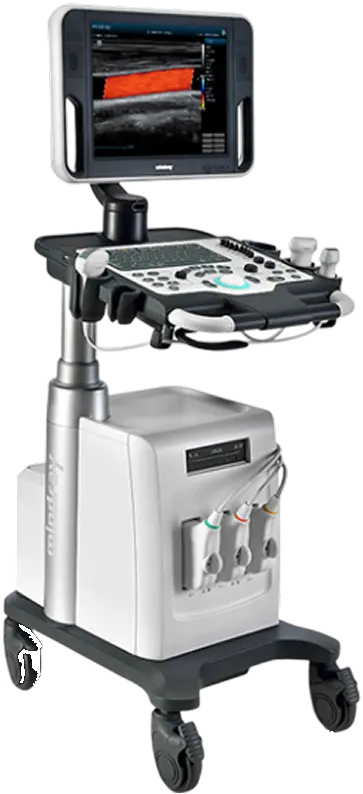
DC-30
Diagnostic Ultrasound system
 Syria _ Damascus _ Al-Rawda
Frequently asked questions about Epilepsy Surgery
What is Epilepsy Surgery?
Epilepsy Surgery in Syria: " Epilepsy surgery is performed in the cases that didn’t respond to any other treatments to manage the seizures in the patient. There are several types of epilepsy surgery: Resective surgery: the most common type, and it’s done by cutting out brain tissue from the brain area where seizures occur. Laser interstitial thermal therapy (LITT): a laser here is used to destroy a small part of the brain tissue. Deep brain...
How do I prepare for Epilepsy Surgery?
" Examining the patient’s health in general. The patient must stop taking blood thinners (anticoagulant medications), ibuprofen, and any other medications that the doctor mentions two weeks before the procedure. The patient mustn’t have anything for 12 hours before the procedure. "
What are the aftercare instructions for Epilepsy Surgery?
" Side effects, such as pain and swelling, might require a few weeks to heal. You must stick to the medications prescribed by the doctor and the regular visits. Immediately contact your surgeon when any sudden, odd problem or symptoms emerge. You can return to your normal daily activities within 1-3 months after the surgery. It might take two years to see the final results. "
Which specialty is Epilepsy Surgery related to?
Epilepsy Surgery is related to: Neurosurgery.
Where can I get Epilepsy Surgery in Syria?
You can get Epilepsy Surgery at clinics and hospitals in Syria. To find specialists in Neurosurgery, see suggested doctors on this page or Click here
What are the possible complications of Epilepsy Surgery?
" The complications differ depending on the surgery type, and generally, the following might occur: Bleeding. Infections. Anesthesia problems. Damage in the brain tissue. Stroke . Fluid build-up in the head (hydrocephalus). Problems in memory, speaking, vision, and movement. "
DC-30
Diagnostic Ultrasound system
Syria _ Damascus _ Al-Rawda