
 Nephrology

Procedure preparations
- Dialysis is a procedure that’s performed when the kidneys no longer function. The kidneys are supposed to filter the blood and remove toxins from it, but in certain health conditions, such as end-stage kidney disease and kidney failure, the kidneys aren’t able to do that anymore, and in this case, the patient requires dialysis to filter the blood instead of the kidneys. There are two types of dialysis:
- Hemodialysis, in which a machine removes the blood from the body from a vein in the arm, filters it, and then returns it to the body. Hemodialysis in health centers takes around 3-4 hours, 3 times weekly at least, while at-home hemodialysis takes 3-8 hours and 3-7 days weekly.
- Peritoneal dialysis, in which a dialysis solution is added into the peritoneum (the lining that covers the inside of the abdomen), and that helps the blood vessels in the area to filter the blood. After that, the solution is drained outside of the body. There are also two types of peritoneal dialysis: continuous ambulatory peritoneal dialysis, which uses a bag and works depending on gravity and takes around 40 minutes, 3-5 sessions a day, and the other type, automated peritoneal dialysis, which uses a machine and takes 8-12 hours daily.
Procedure preparations
- Examining the patient’s health in general.
Procedure complications
- Increased risk of infections in both types.
- Hemodialysis could lead to a blockage from scar tissue or a blood clot or a weak blood flow.
- Peritoneal dialysis might lead to peritonitis and increased risk of hernia.
Procedure instructions
- It’s critical to remember that dialysis doesn’t cure the kidney problem, it only does its work, and the patient will require dialysis for the rest of their life unless they get a kidney transplant.
- The patient can live their life normally with dialysis.
- In peritoneal dialysis, the patient must avoid certain physical activities and limit exercising during the time in which the abdomen is filled with the dialysate.


DC-30
Diagnostic Ultrasound system
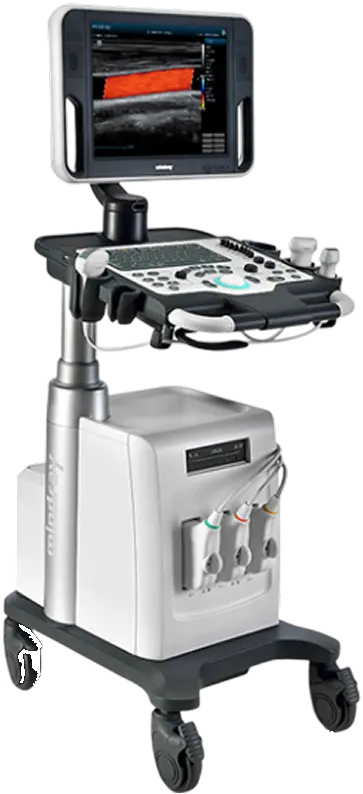
 Syria _ Damascus _ Al-Rawda
Frequently asked questions about Dialysis
What is Dialysis?
Dialysis in Syria: " Dialysis is a procedure that’s performed when the kidneys no longer function. The kidneys are supposed to filter the blood and remove toxins from it, but in certain health conditions, such as end-stage kidney disease and kidney failure , the kidneys aren’t able to do that anymore, and in this case, the patient requires dialysis to filter the blood instead of the kidneys. There are two types of dialysis:...
How do I prepare for Dialysis?
" Examining the patient’s health in general. "
What are the aftercare instructions for Dialysis?
" It’s critical to remember that dialysis doesn’t cure the kidney problem, it only does its work, and the patient will require dialysis for the rest of their life unless they get a kidney transplant . The patient can live their life normally with dialysis. In peritoneal dialysis, the patient must avoid certain physical activities and limit exercising during the time in which the abdomen is filled with the dialysate....
Which specialty is Dialysis related to?
Dialysis is related to: Nephrology.
Where can I get Dialysis in Syria?
You can get Dialysis at clinics and hospitals in Syria. To find specialists in Nephrology, see suggested doctors on this page or Click here
What are the possible complications of Dialysis?
" Increased risk of infections in both types. Hemodialysis could lead to a blockage from scar tissue or a blood clot or a weak blood flow. Peritoneal dialysis might lead to peritonitis and increased risk of hernia . "
DC-30
Diagnostic Ultrasound system
Syria _ Damascus _ Al-Rawda