
 NephrologyUrinary Surgery
Nephrolithotomy


Procedure preparations
- In nephrolithotomy, kidney stones are removed surgically using percutaneous nephrolithotomy or ureteroscopy.
- In removing kidney stones with ureteroscopy, the scope is inserted through the ureter, and the stones are removed if they’re small, but in cases they’re large, a laser is used to break them down in order to make it easier for them to pass by through the urinary tract. This procedure is done under general anesthesia, and the patient can return home on the same day after stabilizations.
- In percutaneous nephrolithotomy surgery, a small incision is made on the back of the patient, and then a specific tool is used to remove the stones. This surgery is used when all the other methods to remove the kidney stones don’t work. This procedure is done under general anesthesia, and it usually takes 2-4 hours. The patient needs to stay in the hospital for one or two days.
Procedure preparations
- Examining the patient’s health in general.
- The doctor might request blood and urine tests.
- The patient must stop taking blood thinners (anticoagulant medications), ibuprofen, and any other medications or herbs that the doctor mentions before the procedure.
- The patient mustn’t have anything for 8-12 hours before the procedure.
Procedure complications
- Removing kidney stones with ureteroscopy might cause bleeding, infections, or damage in the ureter.
- Percutaneous nephrolithotomy surgery might cause anesthesia problems, infections, blood clots, seroma, kidney damage, or sepsis.
Procedure instructions
- You might feel some side effects, such as soreness in the procedure area, pain during urination, and blood in the urine for a few days, and this is normal.
- You must drink enough water.
- You must stick to the medications prescribed by your doctor.
- You must contact your doctor immediately in case a weird problem or symptom emerges.
- You must avoid strenuous physical activity and heavy lifting for at least two weeks after percutaneous nephrolithotomy surgery.
- You can return to your normal daily routine after a week of percutaneous nephrolithotomy surgery.
- Full recovery after percutaneous nephrolithotomy might take 2-4 weeks.


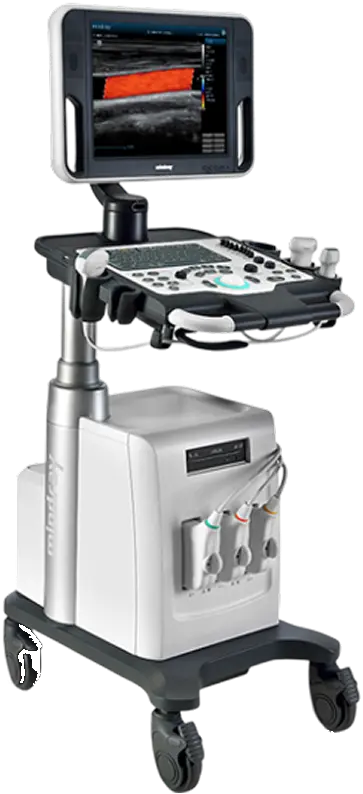
DC-30
Diagnostic Ultrasound system
 Syria _ Damascus _ Al-Rawda
Frequently asked questions about Nephrolithotomy
What is Nephrolithotomy?
Nephrolithotomy in Syria: " In nephrolithotomy, kidney stones are removed surgically using percutaneous nephrolithotomy or ureteroscopy. In removing kidney stones with ureteroscopy, the scope is inserted through the ureter, and the stones are removed if they’re small, but in cases they’re large, a laser is used to break them down in order to make it easier for them to pass by through the urinary tract. This procedure is done under general...
How do I prepare for Nephrolithotomy?
" Examining the patient’s health in general. The doctor might request blood and urine tests. The patient must stop taking blood thinners (anticoagulant medications), ibuprofen, and any other medications or herbs that the doctor mentions before the procedure. The patient mustn’t have anything for 8-12 hours before the procedure. "
What are the aftercare instructions for Nephrolithotomy?
" You might feel some side effects, such as soreness in the procedure area, pain during urination, and blood in the urine for a few days, and this is normal. You must drink enough water. You must stick to the medications prescribed by your doctor. You must contact your doctor immediately in case a weird problem or symptom emerges. You must avoid strenuous physical activity and heavy lifting for at least two weeks...
Which specialty is Nephrolithotomy related to?
Nephrolithotomy is related to: Nephrology and Urinary Surgery.
Where can I get Nephrolithotomy in Syria?
You can get Nephrolithotomy at clinics and hospitals in Syria. To find specialists in Nephrology, see suggested doctors on this page or Click here
What are the possible complications of Nephrolithotomy?
" Removing kidney stones with ureteroscopy might cause bleeding, infections, or damage in the ureter. Percutaneous nephrolithotomy surgery might cause anesthesia problems, infections, blood clots, seroma, kidney damage, or sepsis . "


DC-30
Diagnostic Ultrasound system
Syria _ Damascus _ Al-Rawda