
 Urinary Surgery
Orchiectomy


Procedure preparations
- In orchiectomy, one or both of the testicles are removed, depending on the case. Orchiectomy is done in certain conditions, such as preventing and treating testicle cancer, prostate cancer, and male breast cancer, and in conditions when an untreatable damage or injury occurs in the testicle. In rare cases, orchidectomy might be done in case of a descended testicle or testicular torsion.
- In orchiectomy, one or both of the testicles might be removed with or without the spermatic cord (the tube that transmits the sperm from the testicles to the penis).
- Orchidectomy is done under general anesthesia, and it usually takes 30-60 minutes. Also, the patient can return home on the same day.
Procedure preparations
- Examining the patient’s health in general.
- The patient must stop taking blood thinners (anticoagulant medications), ibuprofen, and any other medications that the surgeon mentions two weeks before the procedure.
- The patient must stop smoking before the surgery.
- The patient mustn’t have anything for 12 hours before the procedure.
Procedure complications
- Bleeding.
- Infections.
- A reduction in the testosterone level might occur in rare cases, and that leads to tiredness, mood swings, depression, low sex drive, sexual dysfunction, hot flashes, low muscle mass, and osteoporosis.
- In case both testicles are removed, the patient will no longer be able to produce sperm; therefore, he’ll go into infertility.
Procedure instructions
- Some temporary side effects like pain and swelling might occur, and this is normal.
- You must stick to the medications prescribed by the doctor and the regular visits.
- Immediately contact your surgeon when any sudden, odd problem or symptoms emerge.
- You can return to your normal daily activities within days after the surgery.
- You mustn’t do any strenuous physical activity, heavy lifting, or sexual connection for 3-4 weeks after the procedure until full recovery.


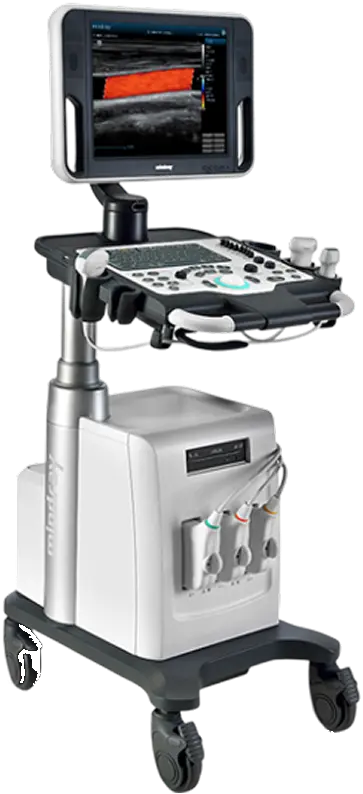
DC-30
Diagnostic Ultrasound system
 Syria _ Damascus _ Al-Rawda
Frequently asked questions about Orchiectomy
What is Orchiectomy?
Orchiectomy in Syria: " In orchiectomy, one or both of the testicles are removed, depending on the case. Orchiectomy is done in certain conditions, such as preventing and treating testicle cancer, prostate cancer, and male breast cancer, and in conditions when an untreatable damage or injury occurs in the testicle. In rare cases, orchidectomy might be done in case of a descended testicle or testicular torsion. In orchiectomy, one or both...
How do I prepare for Orchiectomy?
" Examining the patient’s health in general. The patient must stop taking blood thinners (anticoagulant medications), ibuprofen, and any other medications that the surgeon mentions two weeks before the procedure. The patient must stop smoking before the surgery. The patient mustn’t have anything for 12 hours before the procedure. "
What are the aftercare instructions for Orchiectomy?
" Some temporary side effects like pain and swelling might occur, and this is normal. You must stick to the medications prescribed by the doctor and the regular visits. Immediately contact your surgeon when any sudden, odd problem or symptoms emerge. You can return to your normal daily activities within days after the surgery. You mustn’t do any strenuous physical activity, heavy lifting, or sexual connection for...
Which specialty is Orchiectomy related to?
Orchiectomy is related to: Urinary Surgery.
Where can I get Orchiectomy in Syria?
You can get Orchiectomy at clinics and hospitals in Syria. To find specialists in Urinary Surgery, see suggested doctors on this page or Click here
What are the possible complications of Orchiectomy?
" Bleeding. Infections. A reduction in the testosterone level might occur in rare cases, and that leads to tiredness, mood swings, depression , low sex drive, sexual dysfunction, hot flashes, low muscle mass, and osteoporosis . In case both testicles are removed, the patient will no longer be able to produce sperm; therefore, he’ll go into infertility . "


DC-30
Diagnostic Ultrasound system
Syria _ Damascus _ Al-Rawda