
 Urinary Surgery

Procedure preparations
- Vasectomy aims to prevent pregnancy permanently by preventing sperm from flowing into the semen. It’s done by cutting the tubes that hold the sperm, which are called vas deferens.
- In a vasectomy surgery, local anesthesia is used in the area, then a small incision is made in the scrotum and the vas deferens are cut, then the two ends of the tube are sealed by tying or using surgical clips, and in the end, the incision is closed.
- Vasectomy usually takes 10-30 minutes, and the patient can return home directly after finishing.
Procedure preparations
- Examining the patient’s health in general.
- The patient must stop taking blood thinners (anticoagulant medications), ibuprofen, and any other medications or herbs that the doctor mentions two weeks before the procedure.
- You must shave before the surgery.
- You must only have light food or fluids before the surgery.
- You must bring specific underwear to wear after the surgery.
Procedure complications
- Inflammation due to semen leakage (granuloma).
- Chronic pain.
- Fluid buildup in the testicle.
- Abnormal cysts in the epididymis (a coiled tube above the testicle).
- Fluid-filled sacs around the testicles that cause scrotum swelling.
- In rare cases, failed vasectomy.
Procedure instructions
- Some side effects occur after the surgery, such as pain, swelling, bruises, blood in the semen, a hematoma inside the scrotum, and infection in the surgery site.
- You must wear the special underwear for at least 48 hours.
- You must avoid sexual intercourse for at least a week.
- You can apply ice packs to reduce the swelling.
- You can do light physical activities after two or three days.
- You must avoid strenuous physical activity and heavy lifting for at least a week.
- You must contact your doctor immediately if any problem or weird symptom emerges.
- Full recovery usually takes 7-9 days.
- It’s crucial to understand that vasectomy doesn’t prevent pregnancy immediately; rather, you’ll wait a few months or more. Before having unprotected sex, a sample of the semen must be checked to make sure that it doesn’t include any sperm.
- A vasectomy can be reversed through another procedure called vasectomy reversal, but it doesn’t guarantee that you’ll be able to have children again.


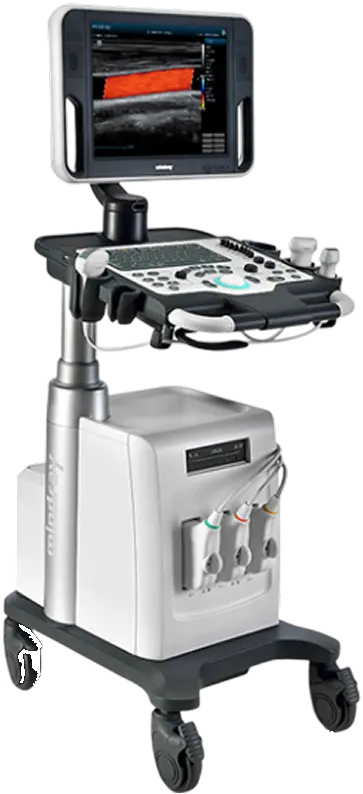
DC-30
Diagnostic Ultrasound system
 Syria _ Damascus _ Al-Rawda
Frequently asked questions about Vasectomy
What is Vasectomy?
Vasectomy in Syria: " Vasectomy aims to prevent pregnancy permanently by preventing sperm from flowing into the semen. It’s done by cutting the tubes that hold the sperm, which are called vas deferens. In a vasectomy surgery, local anesthesia is used in the area, then a small incision is made in the scrotum and the vas deferens are cut, then the two ends of the tube are sealed by tying or using surgical clips, and in the end, the...
How do I prepare for Vasectomy?
" Examining the patient’s health in general. The patient must stop taking blood thinners (anticoagulant medications), ibuprofen, and any other medications or herbs that the doctor mentions two weeks before the procedure. You must shave before the surgery. You must only have light food or fluids before the surgery. You must bring specific underwear to wear after the surgery. "
What are the aftercare instructions for Vasectomy?
" Some side effects occur after the surgery, such as pain, swelling, bruises, blood in the semen, a hematoma inside the scrotum, and infection in the surgery site. You must wear the special underwear for at least 48 hours. You must avoid sexual intercourse for at least a week. You can apply ice packs to reduce the swelling. You can do light physical activities after two or three days. You must avoid strenuous...
Which specialty is Vasectomy related to?
Vasectomy is related to: Urinary Surgery.
Where can I get Vasectomy in Syria?
You can get Vasectomy at clinics and hospitals in Syria. To find specialists in Urinary Surgery, see suggested doctors on this page or Click here
What are the possible complications of Vasectomy?
" Inflammation due to semen leakage (granuloma). Chronic pain. Fluid buildup in the testicle. Abnormal cysts in the epididymis (a coiled tube above the testicle). Fluid-filled sacs around the testicles that cause scrotum swelling. In rare cases, failed vasectomy. "
DC-30
Diagnostic Ultrasound system
Syria _ Damascus _ Al-Rawda