
 Obstetrics and gynecology
Menopause


Menopause is a normal and unavoidable phase in females, and it’s the age when a woman can’t get pregnant anymore.
Menopause
Menopause is the menstrual cycle (the period) in females stops for a consecutive 12 months, and it usually occurs after the age of 45.
In females, the ovaries produce the eggs in addition to the female hormones, and the period occurs when there isn’t a pregnancy after the egg sticks to the uterus. Menopause occurs when the ovaries stop producing the eggs, and the hormone level decreases as well.
In some cases, menopause could occur before the age of 45, and that’s called early menopause, and it might occur before the age of 40, which is called premature menopause.
Menopause stages
Menopause can be divided into three stages:
- Perimenopause: this could start 2-10 years or a few months before menopause, and during it the ovaries start reducing the production of the estrogen hormone gradually.
- Menopause: the stage of a complete stop of the period due to the cease of egg releasing and a decreased estrogen production. It’s characterized by 12 consecutive months without a period.
- Postmenopause: it’s the time after menopause in which females stay the rest of their lives. Usually, menopause symptoms ease up in this stage, but in some cases, some symptoms might continue for a few years.
Causes of menopause
- Natural state with aging due to the decrease in the production of the female hormones (estrogen and progesterone) in addition to the stopping of the egg releasing from the ovaries.
- Surgery to remove the ovaries (oophorectomy) due to certain conditions, and it causes the female to enter the menopause immediately regardless of her age.
- Chemotherapy and radiation therapy might cause menopause, which might be temporarily.
- Primary ovarian insufficiency, which causes premature menopause (before the age of 40) as a result of not producing enough hormones, might occur due to genetic changes or an autoimmune disease, but most often there isn’t a clear reason.
Symptoms of menopause
- Irregular menstrual cycles until they completely stop.
- Hot flashes.
- Vaginal dryness.
- Night sweats.
- Insomnia.
- Mood swings, irritability, and depression.
- Breast soreness.
- Dry eyes, mouth, and skin.
- The urge to urinate frequently.
- Weight gain.
- Headaches.
- Joints and muscles pain.
- Difficulty concentrating and remembering.
- Heart racing.
- Changes in the sex drive.
- Hair loss or thinning.
- Menopause could also lead to the following complications: osteoporosis, cardiovascular diseases, and urinary incontinence (losing the ability to control the bladder).
Diagnosis of menopause
- In most cases, menopause is diagnosed after asking about the symptoms.
- Some cases might require blood tests for some hormones.
Management of menopause
Symptoms are managed by:
- Following a healthy diet.
- Exercising regularly.
- Avoiding smoking.
- Losing weight if needed.
- Having enough sleep.
- Hormonal medications in some cases.


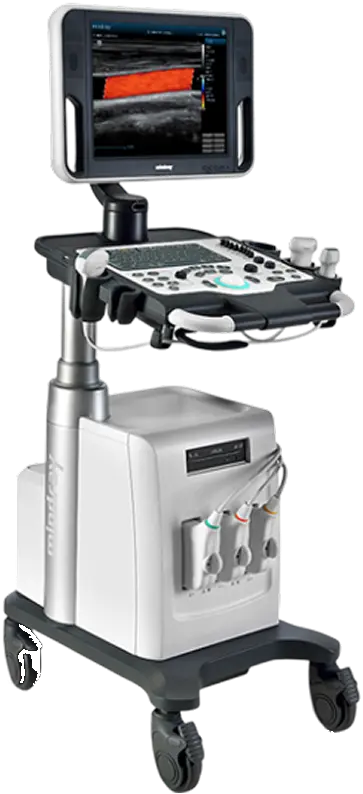
DC-30
Diagnostic Ultrasound system
 Syria _ Damascus _ Al-Rawda
Frequently asked questions about Menopause
What is the topic of Menopause?
Menopause : Menopause is a normal and unavoidable phase in females, and it's the age in Syria on Doctors.sy.
What medical category is Menopause in?
Menopause is categorized under Obstetrics and gynecology on Doctors.sy in Syria.
Where can I find specialists related to Menopause?
To find doctors and facilities specializing in Obstetrics and gynecology in Syria, see suggested providers on this article page or Click here
What is the scientific name related to Menopause?
Scientific name related to this article: الإياس.
Does Menopause include medical references?
Yes, Menopause includes 2 medical reference(s) in the references section below the article on Doctors.sy.
What is Menopause?
Menopause is the menstrual cycle (the period) in females stops for a consecutive 12 months, and it usually occurs after the age of 45.
Where can I read more articles about Obstetrics and gynecology?
You can read related Obstetrics and gynecology articles at the bottom of this page or browse more on Doctors.sy: Click here
 Cervical Cerclage132Obstetrics and gynecology2026-05-07
 Ovarian Cysts167Obstetrics and gynecology2025-12-22
 Artificial Insemination (Intrauterine Insemination-IUI)141Obstetrics and gynecology2025-01-15
 Postpartum Depression248Obstetrics and gynecology2026-06-03
 Vaginal Delivery226Obstetrics and gynecology2024-12-19
DC-30
Diagnostic Ultrasound system
Syria _ Damascus _ Al-Rawda Dr. Ghazal Abd Allah Derawan ClinicObstetrics and gynecologyObstetrics and gynecology
 Syria - Dimashq, Al-Amin Street....Closed607 M44 sec893
 Dr. Mohammad Fahd Morjan ClinicObstetrics and gynecologyObstetrics and gynecologySyria - Dimashq, Al-Amin Street ....Closed664 M48 sec239
 Dr. Jamal Al-Din Al-Tutanji ClinicObstetrics and gynecologyObstetrics and gynecologySyria - Dimashq, Baghdad Street ....Open997 M1.20 Min2101