
 Obstetrics and gynecology
Vaginal Delivery


Procedure preparations
- In vaginal delivery, the baby is delivered naturally through the vagina, and natural delivery is the best and safest childbirth method.
- Vaginal birth occurs when the uterus starts contracting to push the baby, and the cervix with the vagina starts dilating to help the baby come out. Usually, vaginal delivery occurs within weeks 37-42 of pregnancy.
- Types of vaginal birth: spontaneous vaginal delivery that occurs on its own without any external stimulus or help, induced vaginal delivery that needs stimulating labor by using certain drugs or techniques, and assisted vaginal delivery that requires forceps or a vacuum device to get the baby out.
- Stages of vaginal delivery:
- Labor: the uterus starts contracting and the cervix starts dilating, and labor is considered active when the contractions last up to a minute with three minutes apart and the cervix is 10 cm dilated.
- Birth: the contractions here become extremely strong, and the mother must push to help get the baby out. Birth could last a few minutes or hours, depending on the case.
- Delivering the placenta (a temporary organ that forms during pregnancy to feed the fetus): this stage starts a few minutes after birth and could last up to half an hour.
- Natural birth could be performed without anesthesia or by using an epidural anesthesia.
Procedure preparations
- Giving birth could start any moment within the weeks 37-42 of pregnancy; therefore, the mother should prepare herself to welcome her newborn before this period of time.
Procedure complications
- Heavy bleeding that might be life-threatening in some cases.
- Tears in the vagina and surrounding area.
- DVT.
- Severe high blood pressure after delivery (postpartum preeclampsia).
- Labor might slow down, or the cervix might not dilate enough, which leads to the need for labor stimulation.
- Pressure in the baby’s head or the umbilical cord, which makes the baby’s heartbeat slow down.
Procedure instructions
- Many side effects occur after vaginal delivery (lochia), such as bleeding and discharges, vaginal pain, cramps, swollen breasts, constipation, hemorrhoids, hormonal changes that lead to hot flashes and headaches, mood swings, and postpartum depression. Lochia could last 4-6 weeks after giving birth, and this is normal.
- You must stick to the medications prescribed by the doctor and the regular visits.
- Immediately contact your doctor when any sudden, odd problem or symptoms emerge.
- You should avoid sexual intercourse for at least 6 weeks after giving birth.
- Full recovery depends on the mother’s condition, and generally, recovery after natural delivery is shorter than after a c-section.


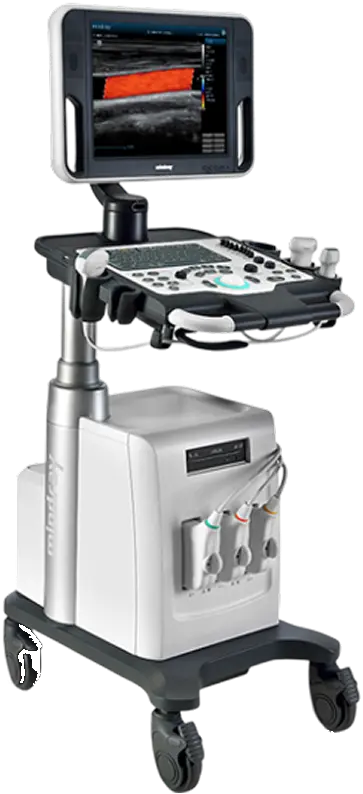
DC-30
Diagnostic Ultrasound system
 Syria _ Damascus _ Al-Rawda
Frequently asked questions about Vaginal Delivery
What is Vaginal Delivery?
Vaginal Delivery in Syria: " In vaginal delivery, the baby is delivered naturally through the vagina, and natural delivery is the best and safest childbirth method. Vaginal birth occurs when the uterus starts contracting to push the baby, and the cervix with the vagina starts dilating to help the baby come out. Usually, vaginal delivery occurs within weeks 37-42 of pregnancy. Types of vaginal birth: spontaneous vaginal delivery that occurs on...
How do I prepare for Vaginal Delivery?
" Giving birth could start any moment within the weeks 37-42 of pregnancy; therefore, the mother should prepare herself to welcome her newborn before this period of time. "
What are the aftercare instructions for Vaginal Delivery?
" Many side effects occur after vaginal delivery (lochia), such as bleeding and discharges, vaginal pain, cramps, swollen breasts, constipation , hemorrhoids , hormonal changes that lead to hot flashes and headaches, mood swings, and postpartum depression . Lochia could last 4-6 weeks after giving birth, and this is normal. You must stick to the medications prescribed by the doctor and the regular visits....
Which specialty is Vaginal Delivery related to?
Vaginal Delivery is related to: Obstetrics and gynecology.
Where can I get Vaginal Delivery in Syria?
You can get Vaginal Delivery at clinics and hospitals in Syria. To find specialists in Obstetrics and gynecology, see suggested doctors on this page or Click here
What are the possible complications of Vaginal Delivery?
" Heavy bleeding that might be life-threatening in some cases. Tears in the vagina and surrounding area. DVT . Severe high blood pressure after delivery (postpartum preeclampsia). Labor might slow down, or the cervix might not dilate enough, which leads to the need for labor stimulation. Pressure in the baby’s head or the umbilical cord, which makes the baby’s heartbeat slow down. "


DC-30
Diagnostic Ultrasound system
Syria _ Damascus _ Al-Rawda