
 Ophthalmology and Eye SurgeryOphthalmologyOphthalmic Plastic & Reconstructive Surgery
Eyelid Surgery (Blepharoplasty)


Procedure preparations
- Blepharoplasty aims to improve the appearance of the upper eyelid, lower eyelid, or both in several cases, such as sagging eyelids that affect the natural contour of the upper eyelid and might affect the vision as well, fatty deposits that appear as puffiness in the eyelids, a drooping lower eyelid that reveals the white part of the eye, excess skin and wrinkles in the lower eyelid, and bags under the eye.
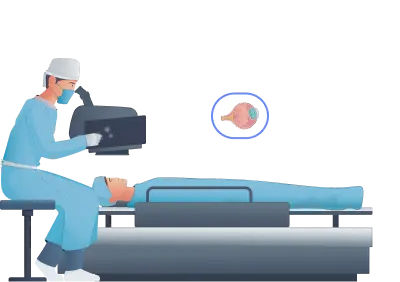
- The surgery is done under general anesthesia, and the doctor makes the incisions inside the crease of the eye in the upper eyelid, below the lower lash line, and sometimes a transconjunctival incision in the lower eyelid.
- The procedure usually takes about an hour for one eyelid, and the patient can return home on the same day.
Procedure preparations
- The doctor examines the general health of the patient to decide if they’re eligible for the eyelid surgery, in addition to examining the eyes and eyelids.
- You must avoid blood thinners (anticoagulant medications) and ibuprofen two weeks before the surgery and two weeks after.
- You must stop smoking several weeks before the surgery.
Procedure complications
Complications after eyelid surgery are rare, and they include:
- Bleeding.
- Infections.
- Skin scarring.
- Persistent pain.
- Anesthesia complications.
- Alterations in the skin sensation.
- Dry eye.
- Difficulty closing the eye.
- Abnormal folding in or out of the eyelid skin.
- A pulled-down, lower-lid lash line.
- Abnormal discoloration of the eyelid skin.
- Light sensitivity.
- Possibility of vision change or loss.
Procedure instructions
- Some side effects could occur temporarily after the surgery, such as swelling and bruising, in addition to pain, and this is normal.
- You mustn’t touch, press, or rub the eye.
- You mustn’t wear contact lenses for about two weeks after the surgery.
- You mustn’t smoke for a period of time after the surgery.
- You must avoid strenuous activities, swimming, and lifting heavy things for a week after the surgery.
- You must stick to the prescribed medications.
- Immediately contact your doctor when any sudden, odd problem or symptoms emerge.
- The patient can return to their normal life within two weeks after the surgery, but full recovery might take a few months.


DC-30
Diagnostic Ultrasound system

 Syria _ Damascus _ Al-Rawda
Frequently asked questions about Eyelid Surgery (Blepharoplasty)
What is Eyelid Surgery (Blepharoplasty)?
Eyelid Surgery (Blepharoplasty) in Syria: " Blepharoplasty aims to improve the appearance of the upper eyelid, lower eyelid, or both in several cases, such as sagging eyelids that affect the natural contour of the upper eyelid and might affect the vision as well, fatty deposits that appear as puffiness in the eyelids, a drooping lower eyelid that reveals the white part of the eye, excess skin and wrinkles in the lower eyelid, and bags under the eye. The...
How do I prepare for Eyelid Surgery (Blepharoplasty)?
" The doctor examines the general health of the patient to decide if they’re eligible for the eyelid surgery, in addition to examining the eyes and eyelids. You must avoid blood thinners (anticoagulant medications) and ibuprofen two weeks before the surgery and two weeks after. You must stop smoking several weeks before the surgery. "
What are the aftercare instructions for Eyelid Surgery (Blepharoplasty)?
" Some side effects could occur temporarily after the surgery, such as swelling and bruising, in addition to pain, and this is normal. You mustn’t touch, press, or rub the eye. You mustn’t wear contact lenses for about two weeks after the surgery. You mustn’t smoke for a period of time after the surgery. You must avoid strenuous activities, swimming, and lifting heavy things for a week after the surgery. You must...
Which specialty is Eyelid Surgery (Blepharoplasty) related to?
Eyelid Surgery (Blepharoplasty) is related to: Ophthalmology and Eye Surgery, Ophthalmology and Ophthalmic Plastic & Reconstructive Surgery.
Where can I get Eyelid Surgery (Blepharoplasty) in Syria?
You can get Eyelid Surgery (Blepharoplasty) at clinics and hospitals in Syria. To find specialists in Ophthalmology and Eye Surgery, see suggested doctors on this page or Click here
What are the possible complications of Eyelid Surgery (Blepharoplasty)?
" Complications after eyelid surgery are rare, and they include: Bleeding. Infections. Skin scarring. Persistent pain. Anesthesia complications. Alterations in the skin sensation. Dry eye . Difficulty closing the eye. Abnormal folding in or out of the eyelid skin. A pulled-down, lower-lid lash line. Abnormal discoloration of the eyelid skin. Light sensitivity. Possibility of vision change or loss. "


DC-30
Diagnostic Ultrasound system
Syria _ Damascus _ Al-Rawda