
 Internal medicineGastroenterology

Procedure preparations
- The percutaneous abscess drainage (PAD) procedure is used to remove the fluid from the abscess inside the body in order to get rid of it, and it’s a minimally invasive procedure that made open surgery unnecessary in most of the cases.
- Percutaneous abscess drainage (PAD) is used in the case of large abscesses (larger than 3 cm), complex abscesses, failure of medical therapy, to diagnose the case better, and when prolonged antibiotic therapy is unbearable.
- During percutaneous catheter drainage, the doctor will make a tiny incision, and a catheter will be inserted through it to drain the fluid from the abscess. The catheter is linked with a bag to collect the fluid.
- The percutaneous catheter drainage procedure is done under sedation, and it may take 30-60 minutes, and the patient can return home on the same day.
Procedure preparations
- Examining the patient’s health in general.
- You must tell the doctor about any medications you take.
- You mustn’t eat or drink anything 8 hours before the procedure.
- Percutaneous abscess drainage can’t be performed if there is an uncorrectable coagulopathy, the abscesses are smaller than 3 cm, or if there is a skin infection where the incision will be made.
Procedure complications
- Infections.
- Bleeding.
- Injury to the surrounding tissue.
- Fistula formation.
- Abscess reformation if the catheter is removed earlier than it should.
- The catheter may become blocked or misplaced.
Procedure instructions
- Pain and discomfort from the catheter are normal side effects.
- Immediately contact your doctor if any weird symptom or problem emerges.
- Pay attention to the catheter when moving to not misplace it.
- The catheter may still be attached for a few days until the draining stops.


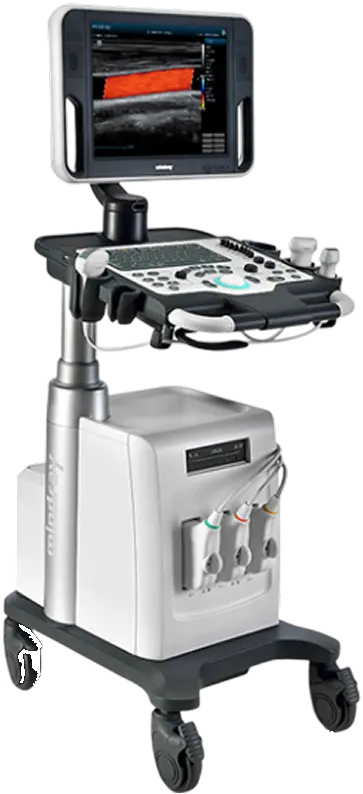
DC-30
Diagnostic Ultrasound system
 Syria _ Damascus _ Al-Rawda
Frequently asked questions about Percutaneous Abscess Drainage (PAD)
What is Percutaneous Abscess Drainage (PAD)?
Percutaneous Abscess Drainage (PAD) in Syria: " The percutaneous abscess drainage (PAD) procedure is used to remove the fluid from the abscess inside the body in order to get rid of it, and it’s a minimally invasive procedure that made open surgery unnecessary in most of the cases. Percutaneous abscess drainage (PAD) is used in the case of large abscesses (larger than 3 cm), complex abscesses, failure of medical therapy, to diagnose the case better, and when...
How do I prepare for Percutaneous Abscess Drainage (PAD)?
" Examining the patient’s health in general. You must tell the doctor about any medications you take. You mustn’t eat or drink anything 8 hours before the procedure. Percutaneous abscess drainage can’t be performed if there is an uncorrectable coagulopathy, the abscesses are smaller than 3 cm, or if there is a skin infection where the incision will be made. "
What are the aftercare instructions for Percutaneous Abscess Drainage (PAD)?
" Pain and discomfort from the catheter are normal side effects. Immediately contact your doctor if any weird symptom or problem emerges. Pay attention to the catheter when moving to not misplace it. The catheter may still be attached for a few days until the draining stops. "
Which specialty is Percutaneous Abscess Drainage (PAD) related to?
Percutaneous Abscess Drainage (PAD) is related to: Internal medicine and Gastroenterology.
Where can I get Percutaneous Abscess Drainage (PAD) in Syria?
You can get Percutaneous Abscess Drainage (PAD) at clinics and hospitals in Syria. To find specialists in Internal medicine, see suggested doctors on this page or Click here
What are the possible complications of Percutaneous Abscess Drainage (PAD)?
" Infections. Bleeding. Injury to the surrounding tissue. Fistula formation. Abscess reformation if the catheter is removed earlier than it should. The catheter may become blocked or misplaced. "
DC-30
Diagnostic Ultrasound system
Syria _ Damascus _ Al-Rawda