
 Plastic reconstructive and aesthetic surgeryGastroenterology
Gastric Botox


Procedure preparations
- Botox is injected into the stomach wall, which causes temporary paralysis in the muscles, and that leads to limiting the contractions of the stomach and reducing the feeling of hunger, in addition to delaying the gastric emptying, which increases the full feeling.
- This procedure is done with the endoscope through the mouth. In most cases, localized numbing is applied to the throat, and sometimes the patient is sedated.
- The procedure usually takes about 30 minutes, and the patient might stay for one or two hours to be stable and for the anesthesia to wear off.
Procedure preparations
- The doctor examines the patient’s health in general to make sure that they’re eligible for this procedure.
- For a patient to be eligible for gastric Botox, they must be overweight and not obese (the BMI must be 30-40), haven’t succeeded in losing weight by following a healthy lifestyle and exercising, can’t control their appetite, and want to reduce the risk of some weight-related health conditions, such as diabetes, hypertension, and sleep apnea.
- You must stop taking anticoagulants, if they exist, 24 hours before the procedure.
- You must fast for 8-12 hours before the procedure.
Procedure complications
Complications after stomach Botox are rare, and they include:
- Damage to the lining of the upper digestive tract.
- Pain, swelling, and bleeding in the injection site.
- Abdominal and chest pain.
- Difficulty breathing and abnormal heart rates.
- The possibility of the Botox moving from the injection site to the surrounding sites.
- Fever.
- Rash.
- Heartburn.
- Nausea.
- Diarrhea or constipation.
Procedure instructions
- The patient might feel fatigue and discomfort for a few days after the procedure, and this is normal, and they can feel the result immediately.
- You must follow a healthy diet to get good results.
- You must connect with your doctor in case of any weird symptom or problem.
- Botox injections last only for 4-6 months.


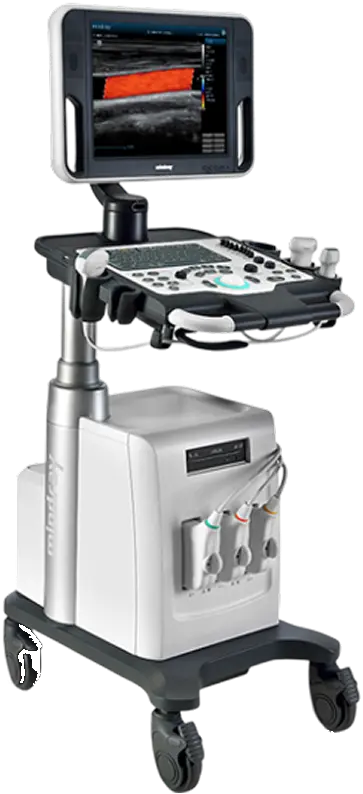
DC-30
Diagnostic Ultrasound system
 Syria _ Damascus _ Al-Rawda
Frequently asked questions about Gastric Botox
What is Gastric Botox?
Gastric Botox in Syria: " Botox is injected into the stomach wall, which causes temporary paralysis in the muscles, and that leads to limiting the contractions of the stomach and reducing the feeling of hunger, in addition to delaying the gastric emptying, which increases the full feeling. This procedure is done with the endoscope through the mouth. In most cases, localized numbing is applied to the throat, and sometimes the patient is...
How do I prepare for Gastric Botox?
" The doctor examines the patient’s health in general to make sure that they’re eligible for this procedure. For a patient to be eligible for gastric Botox, they must be overweight and not obese (the BMI must be 30-40), haven’t succeeded in losing weight by following a healthy lifestyle and exercising, can’t control their appetite, and want to reduce the risk of some weight-related health conditions, such as...
What are the aftercare instructions for Gastric Botox?
" The patient might feel fatigue and discomfort for a few days after the procedure, and this is normal, and they can feel the result immediately. You must follow a healthy diet to get good results. You must connect with your doctor in case of any weird symptom or problem. Botox injections last only for 4-6 months. "
Which specialty is Gastric Botox related to?
Gastric Botox is related to: Plastic reconstructive and aesthetic surgery and Gastroenterology.
Where can I get Gastric Botox in Syria?
You can get Gastric Botox at clinics and hospitals in Syria. To find specialists in Plastic reconstructive and aesthetic surgery, see suggested doctors on this page or Click here
What are the possible complications of Gastric Botox?
" Complications after stomach Botox are rare, and they include: Damage to the lining of the upper digestive tract. Pain, swelling, and bleeding in the injection site. Abdominal and chest pain. Difficulty breathing and abnormal heart rates. The possibility of the Botox moving from the injection site to the surrounding sites. Fever. Rash . Heartburn . Nausea . Diarrhea or constipation . "


DC-30
Diagnostic Ultrasound system
Syria _ Damascus _ Al-Rawda