
 Cardiology
Cardiogenic Shock


Cardiogenic shock is an extremely serious condition because it can be life-threatening if it isn’t managed immediately.
Cardiogenic shock
Cardiogenic shock occurs when the heart suddenly stops pumping blood to the body as it is supposed to. Cardiogenic shock is a medical emergency, and the patient must be taken to the emergency room right away.
Causes and risk factors of cardiogenic shock
The reason behind cardiogenic shock is the lack of oxygen in the lower left heart chamber, and this is typically caused by a heart attack. Other causes include:
- Myocarditis.
- Infective endocarditis.
- Pulmonary embolism.
- Arrhythmia.
- Problems in a heart valve.
- Damage in the lower left heart chamber in rare cases.
- Injuries in the chest.
- The risk of heart shock increases due to the following factors: a history of heart attack or heart failure, a heart or blood vessel disease, diabetes, hypertension, high cholesterol, obesity, being female, and lack of physical activity.
Symptoms of cardiogenic shock
- Severe shortness of breath.
- Very rapid heartbeat.
- Weak pulse.
- Low blood pressure.
- Cold hands and feet.
- Sweating.
- Loss of consciousness.
- Urinating less than normal.
- Paleness.
- Cardiogenic shock can lead to damage in the organs, like the kidney or liver, and death.
Diagnosis of cardiogenic shock
- Physical exam.
- Heart tests.
Treatment of cardiogenic shock
- Oxygen.
- Medications.
- A surgery to fix the blood flow depending on the case, such as angioplasty and stenting, coronary artery bypass surgery, ventricular assist device, intra-aortic balloon pump, and others.
- Heart transplant in cases that don’t improve.
- The risk of cardiogenic shock can be reduced by preventing heart attacks through following a healthy lifestyle, quitting smoking, limiting alcohol consumption, maintaining a healthy weight, and managing stress and other health conditions, if any.


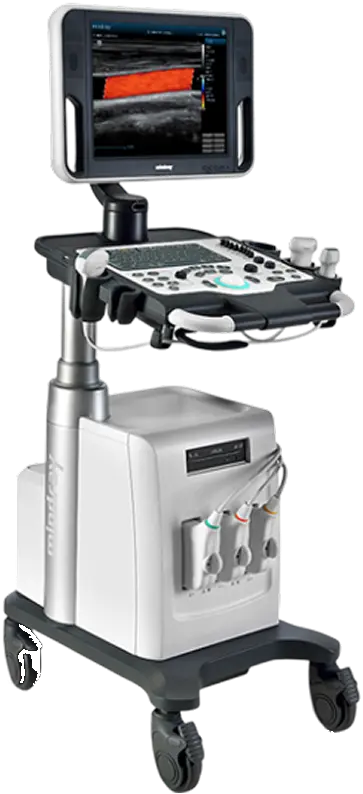
DC-30
Diagnostic Ultrasound system
 Syria _ Damascus _ Al-Rawda
Frequently asked questions about Cardiogenic Shock
What is the topic of Cardiogenic Shock?
Cardiogenic Shock : Cardiogenic shock is an extremely serious condition because it can be life-threatening if it isn't managed immediately in Syria on Doctors.sy.
What medical category is Cardiogenic Shock in?
Cardiogenic Shock is categorized under Cardiology on Doctors.sy in Syria.
Where can I find specialists related to Cardiogenic Shock?
To find doctors and facilities specializing in Cardiology in Syria, see suggested providers on this article page or Click here
Does Cardiogenic Shock include medical references?
Yes, Cardiogenic Shock includes 1 medical reference(s) in the references section below the article on Doctors.sy.
What is Cardiogenic shock?
Cardiogenic shock occurs when the heart suddenly stops pumping blood to the body as it is supposed to. Cardiogenic shock is a medical emergency, and the patient must be taken to the emergency room right away.
What is Causes and risk factors of cardiogenic shock?
The reason behind cardiogenic shock is the lack of oxygen in the lower left heart chamber, and this is typically caused by a heart attack . Other causes include:
What is Treatment of cardiogenic shock?
Oxygen. Medications. A surgery to fix the blood flow depending on the case, such as angioplasty and stenting , coronary artery bypass surgery , ventricular assist device, intra-aortic balloon pump, and others. Heart transplant in cases that don’t improve. The risk of cardiogenic shock can be reduced by preventing heart attacks through following a healthy lifestyle, quitting smoking, limiting alcohol consumption,...
Where can I read more articles about Cardiology?
You can read related Cardiology articles at the bottom of this page or browse more on Doctors.sy: Click here


DC-30
Diagnostic Ultrasound system
Syria _ Damascus _ Al-Rawda Dr. Ahmad Shukri Al-Shaher ClinicCardiologyCardiology
 Syria - Dimashq, Yousef Al-Azmeh....Open1.16 KM1.40 Min198
 Dr. Abd Al Qader Al-Qatini ClinicCardiologyCardiologySyria - Dimashq, White Bridge - ....Open2.38 KM2.86 Min347
 Al-Andalus Specialized HospitalGeneral,General SurgeryGeneral,General SurgerySyria - Dimashq, Kafr Souseh Org....Open2.88 KM3.46 Min4455