
 Obstetrics and gynecology
Hirsutism


Numerous women and girls experience the problem of excessive hair growth in their bodies, especially when their color is dark, which, sometimes, causes discomfort and embarrassment for them. Hirsutism is one of the very common conditions, but it’s treatable.
Hirsutism (excessive hair growth)
Hirsutism is the increasing of hair growth more than normal rates in areas that are sensitive to androgenic hormones (these hormones are responsible for sex characteristics in both sexes, but they’re secreted in males more than females), especially in the upper lip, chin, chest, abdomen, and back, and this hair is thick and dark. This condition affects around 10% of adult females, and it’s probably impacted by ethnicity, where it’s more common in the females of the Middle East and South Asia. It’s caused by the increasing of androgenic hormones more than their normal rate, whereas there are several androgenic hormones in females, and the most important of them is testosterone.
The difference between hirsutism (excessive hair growth) and hypertrichosis
Hirsutism, as we said, results from the increase of androgenic hormones, and this excessive hair is located in specific parts of the body that are sensitive to these hormones. While hypertrichosis results from other causes that aren’t related to androgenic hormones. Moreover, the excessive hair grows in other body parts other than the ones that are sensitive to these hormones, like the cheeks and the arms.
Causes of hirsutism (excessive hair growth)
In a lot of cases, the reason is unknown, yet there are several disorders and diseases that lead to hirsutism, such as:
- Polycystic ovary syndrome (PCOS): It’s a very common condition in females, and it probably starts in puberty and leads to an imbalance in the sex hormones.
- Cushing’s syndrome: It results from the increased secretion of the cortisol hormone. This increase could impact the organs that affect the hair. However, it’s a rare cause.
- Congenital adrenal hyperplasia: It’s an inherited condition that causes abnormal secretion of the adrenal hormones, which include the androgenic ones.
- Ovarian and adrenal tumors.
- Hyperprolactinemia: It’s a rare cause. Prolactin is the responsible hormone for milk production in females, and the increased secretion of it could lead to an increase in androgenic hormones.
- Post menopause: Females undergo hormonal changes after menopause, and that could lead to hirsutism.
- Some medications: Such as minoxidil, danazol, phenytoin, and hormonal drugs that contain progestins (essential hormones in females), which are found in some contraceptives.
Symptoms of hirsutism (excessive hair growth)
- The main symptom is excessive hair growth, which is changing in nature to become thicker and darker. The areas that get affected the most are the face, chest, the colored area around the nipples (areola), the middle low abdominal line that divides the abdomen into two lengthwise parts (line alba), buttocks, lower back, internal thigh, and external genitalia.
- Hirsutism is usually associated with other symptoms that are called virilization symptoms, and they occur in females as a result of the increase of androgenic hormones, such as: deepening of the voice, increased muscle mass, flattening of breasts, loss of female body contour, and acne.
Diagnosis of hirsutism (excessive hair growth)
The doctor will examine the androgenic hormones in the blood in addition to examining the whole body to observe the hair growth and other symptoms like loss of female body contour, flattening of breasts, etc. They will also look for tumors.
Treatment of hirsutism (excessive hair growth)
It mostly depends on medications in addition to managing other conditions if they exist.
- Suppressing androgen production by using specific medications.
- Improving insulin sensitivity: some cases suffer from impaired insulin sensitivity (it’s called insulin resistance), and it’s the responsible hormone for regulating the sugar in the blood and helping it to inter the cells in the muscles, fat, and liver to produce energy. Impaired insulin sensitivity is associated with some health issues, like obesity, cardiovascular disease, fatty liver disease, metabolic syndrome, and PCOS.
- Weight loss: Losing 5% of your weight leads to reduced androgenic hormones and excessive hair growth.


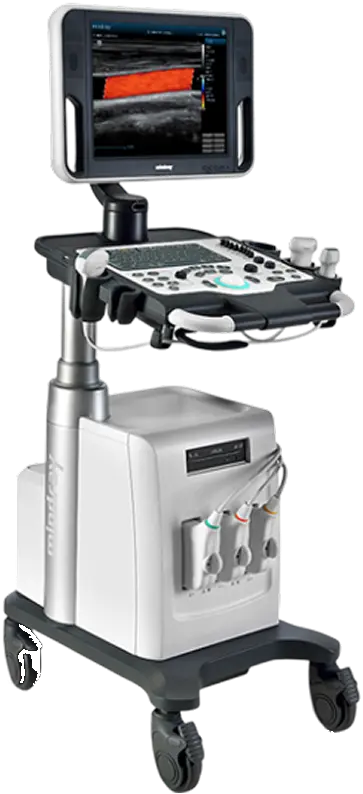
DC-30
Diagnostic Ultrasound system
 Syria _ Damascus _ Al-Rawda
Frequently asked questions about Hirsutism
What is the topic of Hirsutism?
Hirsutism : Numerous women and girls experience the problem of excessive hair growth in their bodies, especially when their color is dark in Syria on Doctors.sy.
What medical category is Hirsutism in?
Hirsutism is categorized under Obstetrics and gynecology on Doctors.sy in Syria.
Where can I find specialists related to Hirsutism?
To find doctors and facilities specializing in Obstetrics and gynecology in Syria, see suggested providers on this article page or Click here
What is the scientific name related to Hirsutism?
Scientific name related to this article: Excessive Hair Growth.
Does Hirsutism include medical references?
Yes, Hirsutism includes 1 medical reference(s) in the references section below the article on Doctors.sy.
What is Hirsutism (excessive hair growth)?
Hirsutism is the increasing of hair growth more than normal rates in areas that are sensitive to androgenic hormones (these hormones are responsible for sex characteristics in both sexes, but they’re secreted in males more than females), especially in the upper lip, chin, chest, abdomen, and back, and this hair is thick and dark. This condition affects around 10% of adult females, and it’s probably impacted by...
What is The difference between hirsutism (excessive hair growth) and hypertrichosis?
Hirsutism, as we said, results from the increase of androgenic hormones, and this excessive hair is located in specific parts of the body that are sensitive to these hormones. While hypertrichosis results from other causes that aren’t related to androgenic hormones. Moreover, the excessive hair grows in other body parts other than the ones that are sensitive to these hormones, like the cheeks and the arms.
What is Causes of hirsutism (excessive hair growth)?
In a lot of cases, the reason is unknown, yet there are several disorders and diseases that lead to hirsutism, such as:
 Cervical Cerclage132Obstetrics and gynecology2026-05-07
 Ovarian Cysts167Obstetrics and gynecology2025-12-22
 Artificial Insemination (Intrauterine Insemination-IUI)141Obstetrics and gynecology2025-01-15
 Postpartum Depression248Obstetrics and gynecology2026-06-03
 Vaginal Delivery226Obstetrics and gynecology2024-12-19
DC-30
Diagnostic Ultrasound system
Syria _ Damascus _ Al-Rawda Dr. Ghazal Abd Allah Derawan ClinicObstetrics and gynecologyObstetrics and gynecology
 Syria - Dimashq, Al-Amin Street....Closed607 M44 sec893
 Dr. Mohammad Fahd Morjan ClinicObstetrics and gynecologyObstetrics and gynecologySyria - Dimashq, Al-Amin Street ....Closed664 M48 sec239
 Dr. Jamal Al-Din Al-Tutanji ClinicObstetrics and gynecologyObstetrics and gynecologySyria - Dimashq, Baghdad Street ....Open997 M1.20 Min2101