
 Neurology
Bell's Palsy


Bell’s palsy is a relatively common condition that causes a temporary paralysis and resolves on its own in most of the cases.
Bell’s palsy
Bell’s palsy causes sudden one-sided facial paralysis or weakness, but it can sometimes cause paralysis on both sides.
Bell’s palsy is very common, and it could affect anyone at any age, but it’s more common between the ages of 15 and 60.
Causes and risk factors of Bell’s palsy
- Bell’s palsy occurs due to the inflammation and swelling of the seventh cranial nerve that controls facial movements and expressions.
- The exact cause of this inflammation isn’t known, but it’s been seen that it’s often related to a viral infection, such as the herpes simplex that causes cold sores and genital herpes, herpes zoster that causes shingles and chickenpox, Epstein-Barr virus that causes infectious mononucleosis, flu virus, mumps virus, German measles or rubella virus, cytomegalovirus, adenoviruses that cause respiratory diseases, and coxsackievirus that causes hand-foot-and-mouth disease.
- The risk of Bell’s palsy increases due to the following factors: diabetes, hypertension, obesity, pregnancy, and a weakened immune system.
Symptoms of Bell’s palsy
- Mild weakness or total paralysis on one side of the face, but sometimes it can affect both sides, which may happen suddenly or within hours to days.
- Difficulty making facial expressions like smiling or closing an eye.
- Drooping of the face.
- Headache.
- Pain behind the ear or around the jaw.
- Dry eye.
- Increased sensitivity to sound.
- Problems with speaking, eating, or drinking.
- Drooling.
- Loss of taste.
- Symptoms of Bell’s palsy usually resolve within a month, but it could lead to serious complications in some cases, such as irreversible damage to the nerve, partial or complete blindness in the eye because it doesn’t close, and abnormal regrowth of nerve fibers.
Diagnosis of Bell’s palsy
- Physical exam.
- Imaging tests.
- Blood tests.
Treatment of Bell’s palsy
- Treating Bell’s palsy depends on managing the symptoms since it goes away on its own in most of the cases.
- In rare cases, plastic surgery might be required.


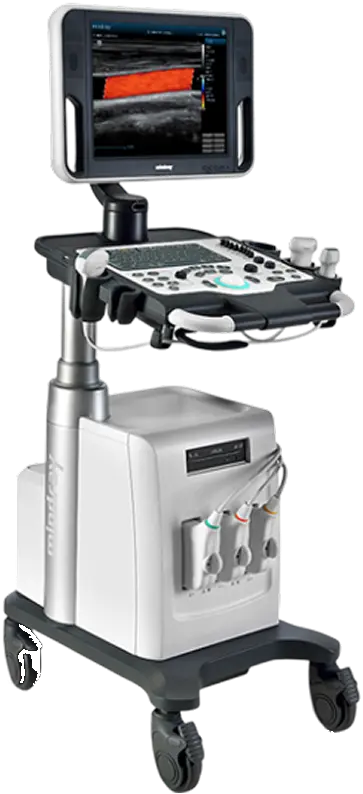
DC-30
Diagnostic Ultrasound system
 Syria _ Damascus _ Al-Rawda
Frequently asked questions about Bell's Palsy
What is the topic of Bell's Palsy?
Bell's Palsy : Bell's palsy is a relatively common condition that causes a temporary paralysis and resolves on its own in most of the cases in Syria on Doctors.sy.
What medical category is Bell's Palsy in?
Bell's Palsy is categorized under Neurology on Doctors.sy in Syria.
Where can I find specialists related to Bell's Palsy?
To find doctors and facilities specializing in Neurology in Syria, see suggested providers on this article page or Click here
Does Bell's Palsy include medical references?
Yes, Bell's Palsy includes 1 medical reference(s) in the references section below the article on Doctors.sy.
What is Bell’s palsy?
Bell’s palsy causes sudden one-sided facial paralysis or weakness, but it can sometimes cause paralysis on both sides.
What is Treatment of Bell’s palsy?
Treating Bell’s palsy depends on managing the symptoms since it goes away on its own in most of the cases. In rare cases, plastic surgery might be required.
Where can I read more articles about Neurology?
You can read related Neurology articles at the bottom of this page or browse more on Doctors.sy: Click here


DC-30
Diagnostic Ultrasound system
Syria _ Damascus _ Al-Rawda Dr. Samer Khattab ClinicNeurosurgeryNeurosurgery
 Syria - Dimashq, Baghdad Street ....Open929 M1.12 Min111
 Damascus Hospital - Al MoujtahedGeneral,General SurgeryGeneral,General SurgerySyria - Dimashq, Al Moujtahed....Open1.57 KM1.89 Min2131
 Dr. Ahmad Khaled Taji ClinicNeurology,PsychiatryNeurology,PsychiatrySyria - Dimashq, Al-Afif - Shura....Open2.87 KM3.45 Min1186