
 Neurology
Brain Bleed


Bleeding can occur anywhere in the body, and in the case of a brain bleed, a life-threatening hemorrhage could occur in the brain that must be managed rapidly.
Brain bleed
A brain bleed occurs when a blood vessel in the brain bursts or leaks blood, and this blood will collect within the brain or skull, which causes pressure against the brain, and, therefore, oxygen and nutrients won’t reach the tissues and cells in the brain.
Intracranial hemorrhage is a medical emergency that must be managed quickly because the brain cells die after only 3-4 minutes without blood supply.
Causes and risk factors leading to brain bleed
Several reasons could cause a blood vessel to break or leak, such as:
- Head trauma.
- Blood clots.
- Atherosclerosis.
- Cerebral aneurysm (a weak spot in the blood vessel wall).
- Brain tumors.
- Cerebral amyloid angiopathy (a buildup of protein within the artery walls in the brain).
- Arteriovenous malformation (a leak from atypical connections that are formed between veins and arteries).
Factors that increase the risk of brain bleeds:
- Hypertension.
- Bleeding conditions or taking blood thinners.
- Smoking.
- Drug abuse.
- Pregnancy and pregnancy complications.
- Conditions that affect the formation of the blood vessels.
Symptoms of brain bleed
- Severe and sudden headache.
- Confusion and dizziness.
- Sudden numbness, tingling, or paralysis in the face, arm, or leg, especially on one side.
- Slurred speech.
- Nausea and vomiting.
- Weakness.
- Vision loss.
- Sensitivity to light.
- Neck stiffness.
- Difficulty swallowing.
- Imbalance.
- Seizures.
- Breathing and heartbeat problems.
- Fainting.
- Coma.
- If intracranial bleeding isn’t managed rapidly, it could lead to serious complications that could be permanent, such as memory loss, paralysis, vision loss, movement and coordination problems, and personality changes.
Diagnosis of brain bleed
- Physical exam.
- Neurological exam.
- Imaging tests.
Treatment of brain bleed
- Surgery.
- Medications.
- You can reduce the risk of brain bleed by managing the blood pressure, lowering the cholesterol levels, maintaining a healthy weight, following a healthy lifestyle, avoiding smoking, and limiting alcohol consumption.


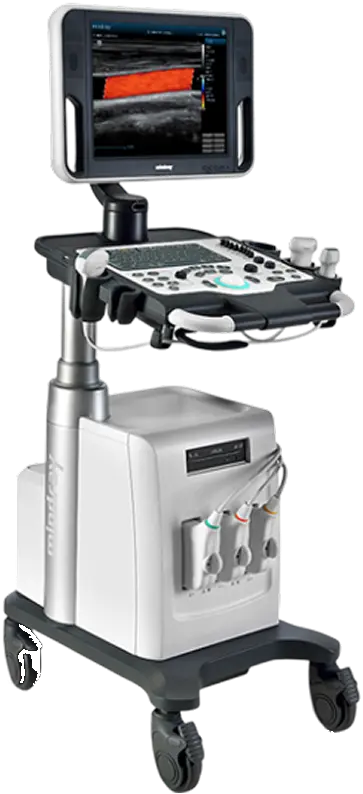
DC-30
Diagnostic Ultrasound system
 Syria _ Damascus _ Al-Rawda
Frequently asked questions about Brain Bleed
What is the topic of Brain Bleed?
Brain Bleed : Bleeding can occur anywhere in the body, and in the case of a brain bleed, a life-threatening hemorrhage could occur in the brain in Syria on Doctors.sy.
What medical category is Brain Bleed in?
Brain Bleed is categorized under Neurology on Doctors.sy in Syria.
Where can I find specialists related to Brain Bleed?
To find doctors and facilities specializing in Neurology in Syria, see suggested providers on this article page or Click here
What is the scientific name related to Brain Bleed?
Scientific name related to this article: Intracranial Hemorrhage.
Does Brain Bleed include medical references?
Yes, Brain Bleed includes 1 medical reference(s) in the references section below the article on Doctors.sy.
What is Brain bleed?
A brain bleed occurs when a blood vessel in the brain bursts or leaks blood, and this blood will collect within the brain or skull, which causes pressure against the brain, and, therefore, oxygen and nutrients won’t reach the tissues and cells in the brain.
What is Causes and risk factors leading to brain bleed?
Several reasons could cause a blood vessel to break or leak, such as:
What is Treatment of brain bleed?
Surgery. Medications. You can reduce the risk of brain bleed by managing the blood pressure, lowering the cholesterol levels, maintaining a healthy weight, following a healthy lifestyle, avoiding smoking, and limiting alcohol consumption.


DC-30
Diagnostic Ultrasound system
Syria _ Damascus _ Al-Rawda Dr. Samer Khattab ClinicNeurosurgeryNeurosurgery
 Syria - Dimashq, Baghdad Street ....Open929 M1.12 Min111
 Damascus Hospital - Al MoujtahedGeneral,General SurgeryGeneral,General SurgerySyria - Dimashq, Al Moujtahed....Open1.57 KM1.89 Min2123
 Dr. Ahmad Khaled Taji ClinicNeurology,PsychiatryNeurology,PsychiatrySyria - Dimashq, Al-Afif - Shura....Open2.87 KM3.45 Min1184