
 Neurology
Dystonia


Dystonia is an annoying condition and can affect the patient’s daily life, and although it doesn’t have a cure, it can be managed.
Dystonia
Dystonia is a disorder in the nervous system that leads to uncontrollable muscle contractions or movements.
Dystonia can be focal (affects only one part of the body), segmental (affects two or more areas next to each other), or general (affects all the body parts).
Causes of dystonia
- There isn’t a clear cause for dystonia, but it’s a result of changes in the communication between the neurons in the brain.
- Dystonia can also be a symptom of other conditions, including Parkinson’s disease, Huntington’s disease, Wilson’s disease, stroke, brain tumors and cancers, birth injuries, traumatic brain injuries, certain infections (like tuberculosis or encephalitis), lack of oxygen, carbon monoxide intoxication, heavy metal poisoning, and reactions to certain medications.
Symptoms of dystonia
Muscle spasms resulting from dystonia can manifest in different ways and are:
- Repetitive.
- Present with a specific action, such as writing.
- Uncomfortable and sometimes painful.
- Worse with stress, anxiety, and extreme tiredness.
- Worse when using the affected muscle.
- More noticeable with time.
- Different in how long they last.
- These uncontrollable muscle contractions are commonly seen in the eyelids, jaw, tongue, neck, voice box or vocal cords (causing a strained or whispering voice), and hands and forearms.
- Dystonia can lead to physical disabilities that can affect daily activities, vision problems, pain and fatigue, issues when moving the jaw, and psychological problems like depression, anxiety, and isolation.
Diagnosis of dystonia
- Physical exam.
- Imaging tests.
- Blood or urine tests.
- Genetic tests.
Treatment of dystonia
- Medicines.
- Certain therapies, such as physical therapy, speech therapy, and stretching and massages.
- Surgeries, such as deep brain stimulation and selective denervation surgery (cutting the nerves that control muscle spasms).


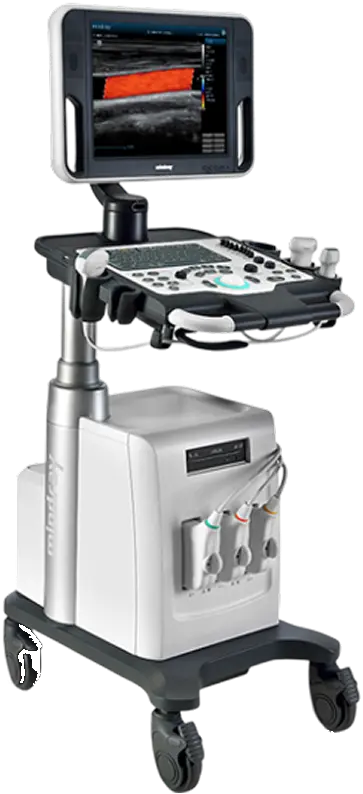
DC-30
Diagnostic Ultrasound system
 Syria _ Damascus _ Al-Rawda
Frequently asked questions about Dystonia
What is the topic of Dystonia?
Dystonia : Dystonia is an annoying condition and can affect the patient's daily life, and although it doesn't have a cure, it can be managed in Syria on Doctors.sy.
What medical category is Dystonia in?
Dystonia is categorized under Neurology on Doctors.sy in Syria.
Where can I find specialists related to Dystonia?
To find doctors and facilities specializing in Neurology in Syria, see suggested providers on this article page or Click here
What is the scientific name related to Dystonia?
Scientific name related to this article: خلل التوتر العضلي.
Does Dystonia include medical references?
Yes, Dystonia includes 1 medical reference(s) in the references section below the article on Doctors.sy.
What is Dystonia?
Dystonia is a disorder in the nervous system that leads to uncontrollable muscle contractions or movements.
What is Symptoms of dystonia?
Muscle spasms resulting from dystonia can manifest in different ways and are:
What is Treatment of dystonia?
Medicines. Certain therapies, such as physical therapy , speech therapy, and stretching and massages. Surgeries, such as deep brain stimulation and selective denervation surgery (cutting the nerves that control muscle spasms).


DC-30
Diagnostic Ultrasound system
Syria _ Damascus _ Al-Rawda Dr. Samer Khattab ClinicNeurosurgeryNeurosurgery
 Syria - Dimashq, Baghdad Street ....Open929 M1.12 Min111
 Damascus Hospital - Al MoujtahedGeneral,General SurgeryGeneral,General SurgerySyria - Dimashq, Al Moujtahed....Open1.57 KM1.89 Min2131
 Dr. Ahmad Khaled Taji ClinicNeurology,PsychiatryNeurology,PsychiatrySyria - Dimashq, Al-Afif - Shura....Open2.87 KM3.45 Min1186