
 cardiac surgery

Procedure preparations
- In heart transplant surgery, a heart from a donor is transplanted when other treatments and surgeries didn’t help improve the heart health of the patient. Usually, heart transplant procedures are done in these cases: cardiomyopathy, problems in the heart valves, coronary artery disease, congenital heart problems, and recurrent and uncontrolled heart arrhythmia.
- Heart transplant surgery is significantly complicated, and the heart must be transplanted within 4 hours after removing it from the donor’s body; therefore, the patient must stay ready for the heart transplantation surgery at any moment.
- The heart transplant procedure is performed under general anesthesia, and it takes a few hours or more, depending on the case. The patient must stay in the hospital for 2-3 weeks under intensive care.
Procedure preparations
- Due to the lack of heart donation cases, there are specific criteria to determine whether the patient is eligible for the heart transplantation, such as being in good health in general, not having certain diseases, being ready to follow a suitable lifestyle, and being in a stable mental condition.
- Several tests are performed to evaluate the patient’s condition, and they stay under monitoring until a heart is found.
Procedure complications
- Rejecting the new transplanted heart, which might lead to the failure of the transplantation.
- The new heart might not be able to function properly, which might lead to death, and most of the time this occurs within the first months after the surgery.
- Problems in the arteries.
- Infections.
- High blood pressure.
- Heart arrhythmias.
- Kidney problems.
- Osteoporosis.
- Nerve damage.
- Stroke.
Procedure instructions
- The patient must take immunosuppressants for the rest of their life to prevent rejecting the transplanted heart. The immunosuppressants might cause side effects, such as hypertension, high cholesterol, increased hair growth or hair loss, bone thinning, diabetes, weight gain, acne, and increased cancer risk.
- You must stick to the medications prescribed by the doctor and the regular visits.
- Immediately contact your surgeon when any sudden, odd problem or symptoms emerge.
- You must avoid strenuous physical activity and heavy lifting for 6-8 weeks.
- You can return to your normal daily activity 6 weeks after the surgery.
- Full recovery requires a few months, depending on the case.
- The survival rate is about 90% after a year of the surgery in adults and children, about 80% after five years in adults, and about 70% after five years in children.


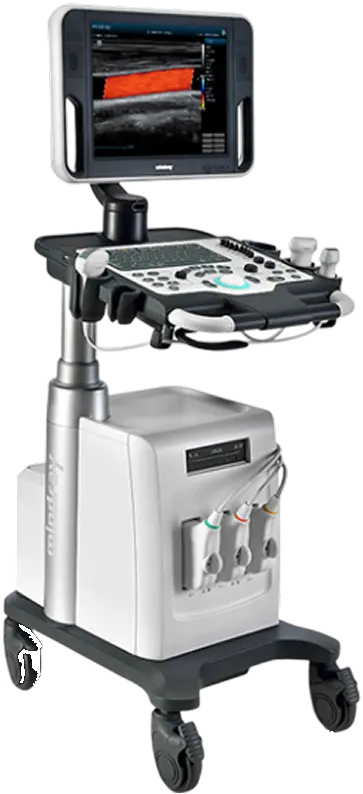
DC-30
Diagnostic Ultrasound system
 Syria _ Damascus _ Al-Rawda
Frequently asked questions about Heart Transplant
What is Heart Transplant?
Heart Transplant in Syria: " In heart transplant surgery, a heart from a donor is transplanted when other treatments and surgeries didn’t help improve the heart health of the patient. Usually, heart transplant procedures are done in these cases: cardiomyopathy, problems in the heart valves, coronary artery disease , congenital heart problems, and recurrent and uncontrolled heart arrhythmia . Heart transplant surgery is significantly...
How do I prepare for Heart Transplant?
" Due to the lack of heart donation cases, there are specific criteria to determine whether the patient is eligible for the heart transplantation, such as being in good health in general, not having certain diseases, being ready to follow a suitable lifestyle, and being in a stable mental condition. Several tests are performed to evaluate the patient’s condition, and they stay under monitoring until a heart is...
What are the aftercare instructions for Heart Transplant?
" The patient must take immunosuppressants for the rest of their life to prevent rejecting the transplanted heart. The immunosuppressants might cause side effects, such as hypertension, high cholesterol, increased hair growth or hair loss, bone thinning, diabetes , weight gain, acne, and increased cancer risk. You must stick to the medications prescribed by the doctor and the regular visits. Immediately contact your...
Which specialty is Heart Transplant related to?
Heart Transplant is related to: cardiac surgery.
Where can I get Heart Transplant in Syria?
You can get Heart Transplant at clinics and hospitals in Syria. To find specialists in cardiac surgery, see suggested doctors on this page or Click here
What are the possible complications of Heart Transplant?
" Rejecting the new transplanted heart, which might lead to the failure of the transplantation. The new heart might not be able to function properly, which might lead to death, and most of the time this occurs within the first months after the surgery. Problems in the arteries. Infections. High blood pressure . Heart arrhythmias. Kidney problems. Osteoporosis . Nerve damage. Stroke . "
DC-30
Diagnostic Ultrasound system
Syria _ Damascus _ Al-Rawda