
 Hematology

Procedure preparations
- Plasmapheresis and plasma exchange are both used to separate the plasma from the rest of the blood elements, but for different reasons. The blood consists of plasma, red and white blood cells, and platelets, and most of the plasma is water along with electrolytes and proteins.
- Plasmapheresis is used to obtain plasma from the blood, most of the time as donor plasma. Plasma exchange is when using plasmapheresis to replace the plasma of a patient in certain conditions.
- Plasmapheresis and plasma exchange are typically used in several blood and neurological conditions and blood cancers, such as multiple sclerosis, myasthenia gravis, Guillain-Barre syndrome, cryoglobulinemia, thrombotic thrombocytopenic purpura, multiple myeloma, and lymphoplasmacytic lymphoma.
- In plasmapheresis, a machine is used to separate the blood elements in order to use a specific element to treat a certain condition, while in plasma exchange, after separating the blood elements, the whole plasma is discarded, and then the rest of the elements are combined with fluid, and sometimes a protein, and then they are returned to the body. This process takes several hours, and the patient could return home immediately after finishing.
Procedure preparations
- Three days before the procedure, start drinking noncarbonated beverages.
- You must eat an hour before the procedure.
- Wear comfortable clothes.
- Bring something to spend the time with.
Procedure complications
Plasmapheresis and plasma exchange are very safe, but some people might suffer from:
- Hypocalcemia (low blood calcium).
- Hypomagnesemia (low blood magnesium).
- Hypothermia.
- Hypotension.
Procedure instructions
- Some people might feel nauseous, lightheaded, cold, and a mild sensation of tingling or numbness after the procedure, and this is normal.
- The majority of people recover within hours after the procedure.


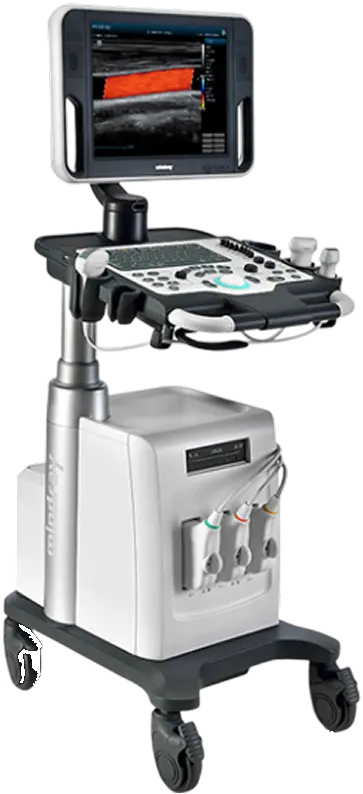
DC-30
Diagnostic Ultrasound system
 Syria _ Damascus _ Al-Rawda
Frequently asked questions about Plasmapheresis And Plasma Exchange
What is Plasmapheresis And Plasma Exchange?
Plasmapheresis And Plasma Exchange in Syria: " Plasmapheresis and plasma exchange are both used to separate the plasma from the rest of the blood elements, but for different reasons. The blood consists of plasma, red and white blood cells, and platelets, and most of the plasma is water along with electrolytes and proteins. Plasmapheresis is used to obtain plasma from the blood, most of the time as donor plasma. Plasma exchange is when using plasmapheresis to...
How do I prepare for Plasmapheresis And Plasma Exchange?
" Three days before the procedure, start drinking noncarbonated beverages. You must eat an hour before the procedure. Wear comfortable clothes. Bring something to spend the time with. "
What are the aftercare instructions for Plasmapheresis And Plasma Exchange?
" Some people might feel nauseous , lightheaded, cold, and a mild sensation of tingling or numbness after the procedure, and this is normal. The majority of people recover within hours after the procedure. "
Which specialty is Plasmapheresis And Plasma Exchange related to?
Plasmapheresis And Plasma Exchange is related to: Hematology.
Where can I get Plasmapheresis And Plasma Exchange in Syria?
You can get Plasmapheresis And Plasma Exchange at clinics and hospitals in Syria. To find specialists in Hematology, see suggested doctors on this page or Click here
What are the possible complications of Plasmapheresis And Plasma Exchange?
" Plasmapheresis and plasma exchange are very safe, but some people might suffer from: Hypocalcemia (low blood calcium). Hypomagnesemia (low blood magnesium ). Hypothermia . Hypotension . "
DC-30
Diagnostic Ultrasound system
Syria _ Damascus _ Al-Rawda